
Last updated November 22, 2026
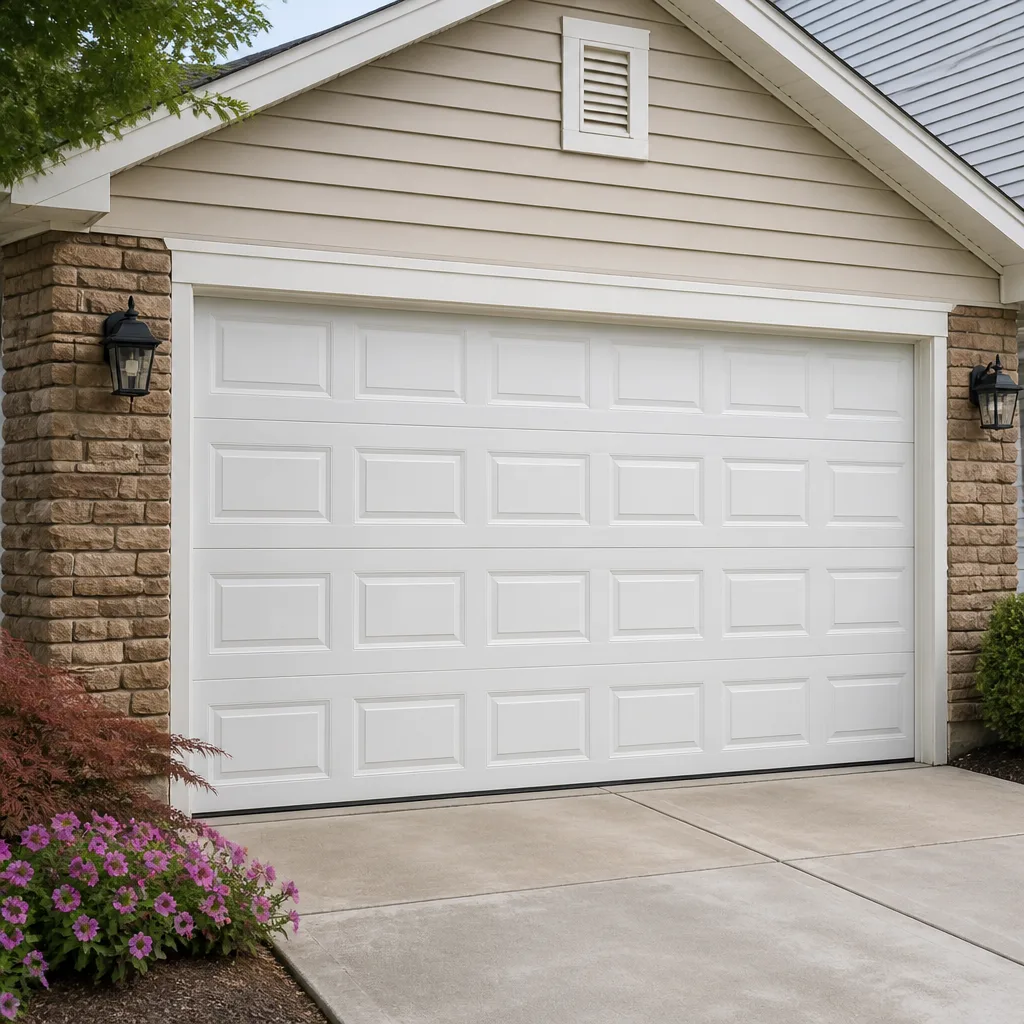 Raised-panel steel
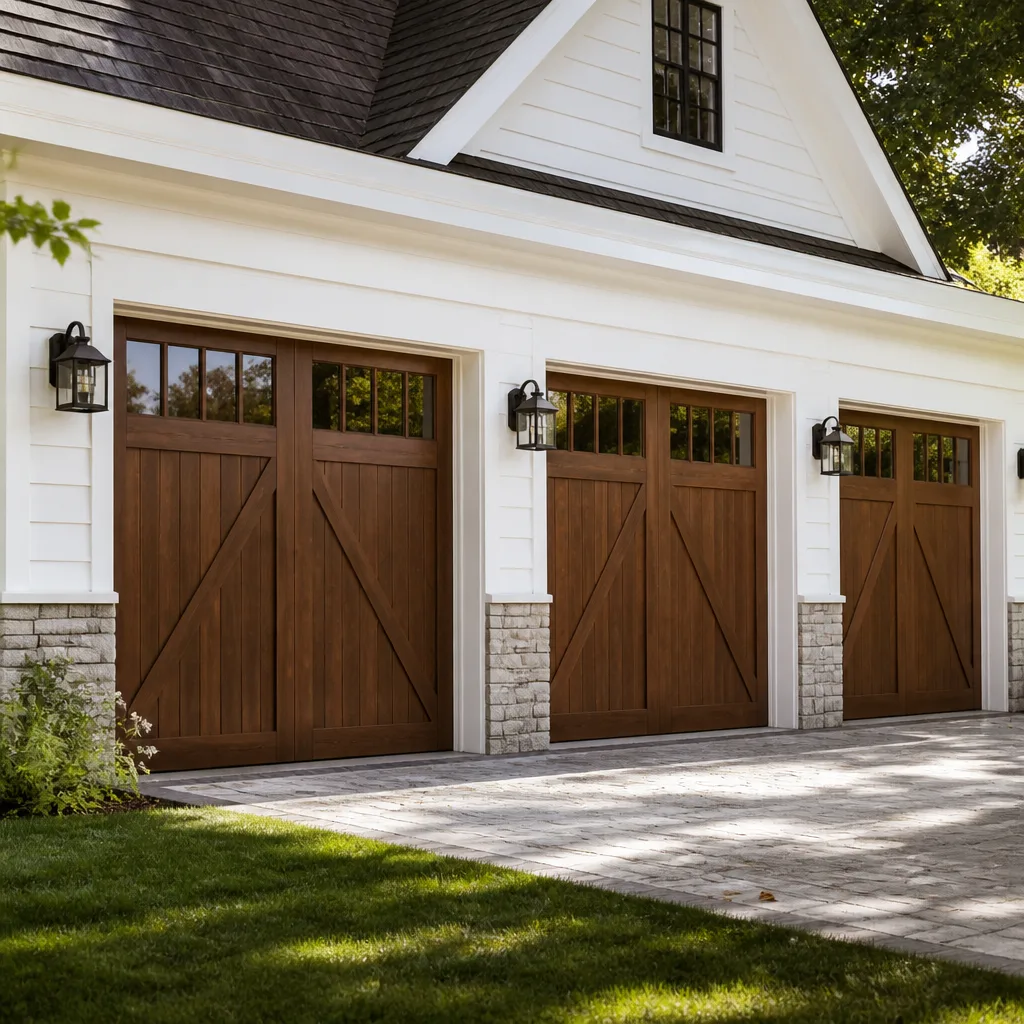 Carriage house
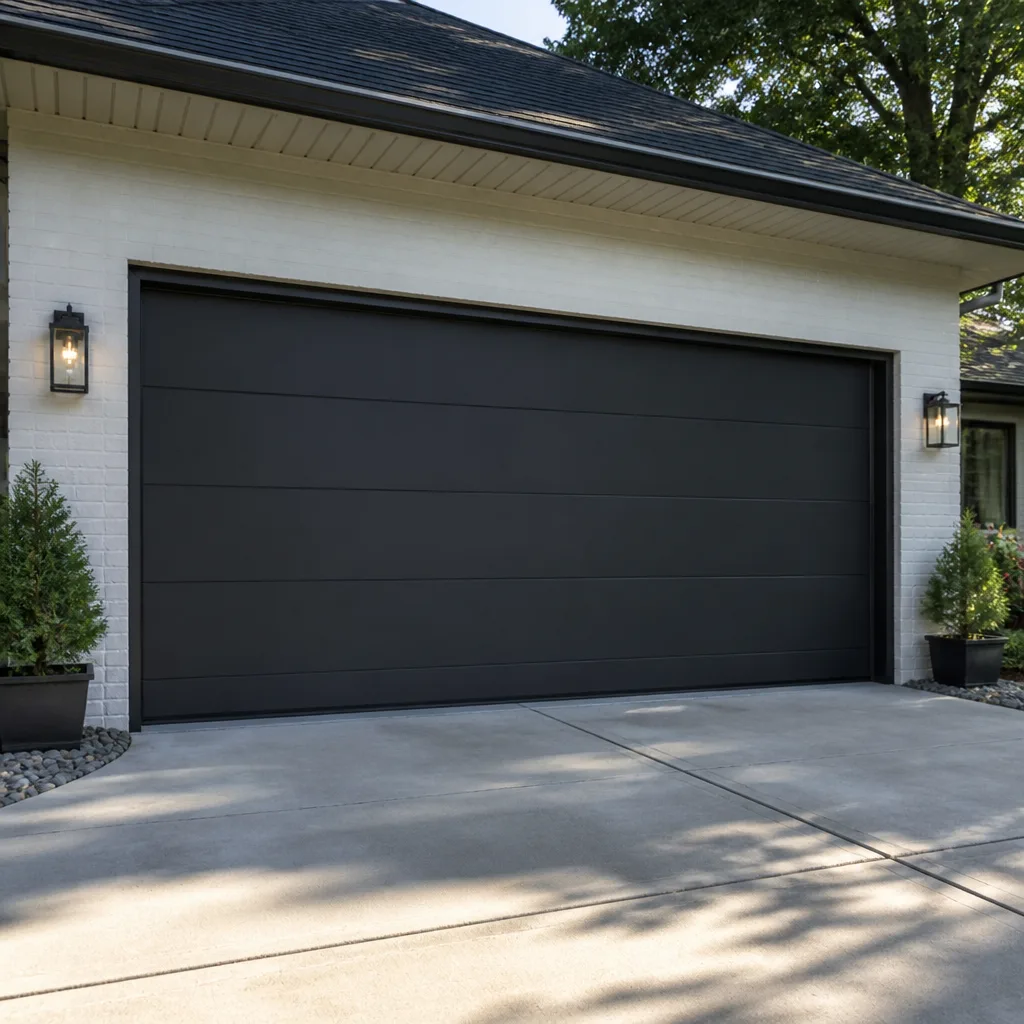 Modern flush
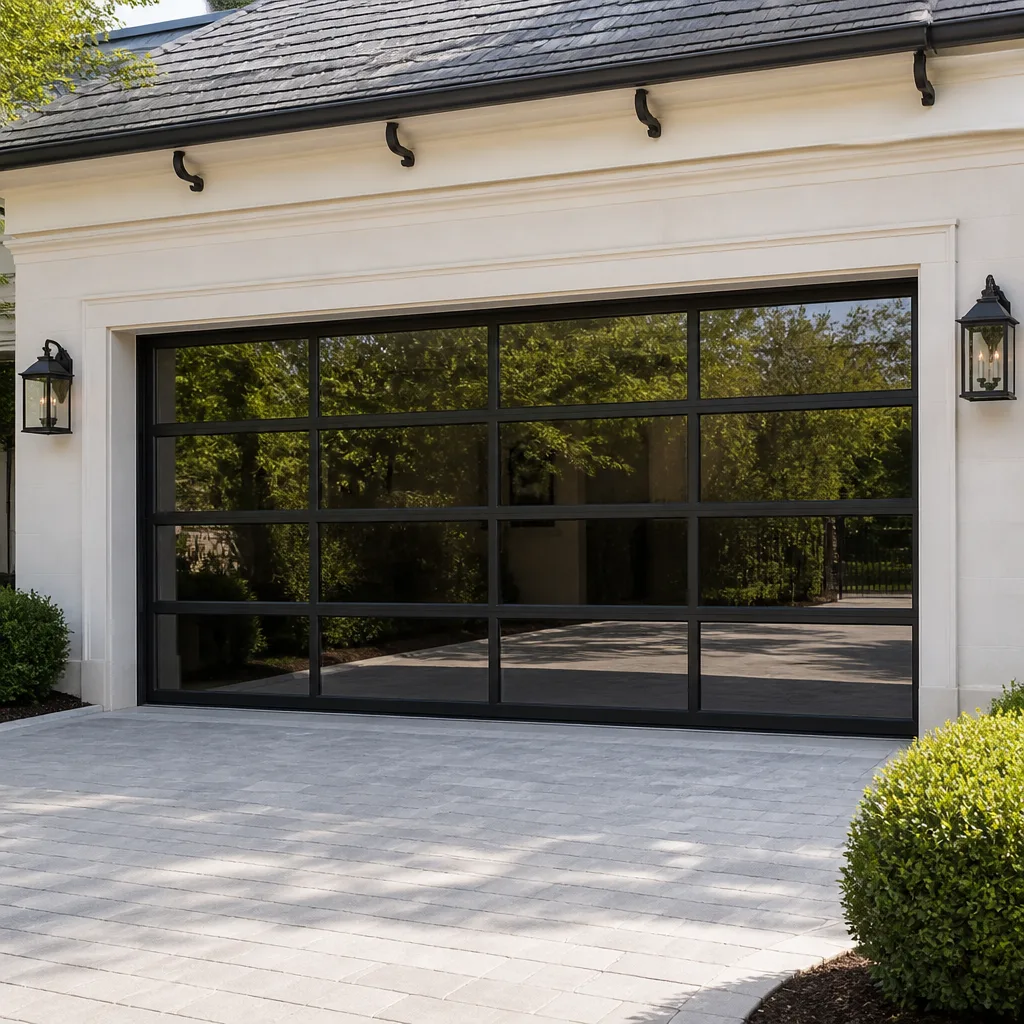 Full-view glass
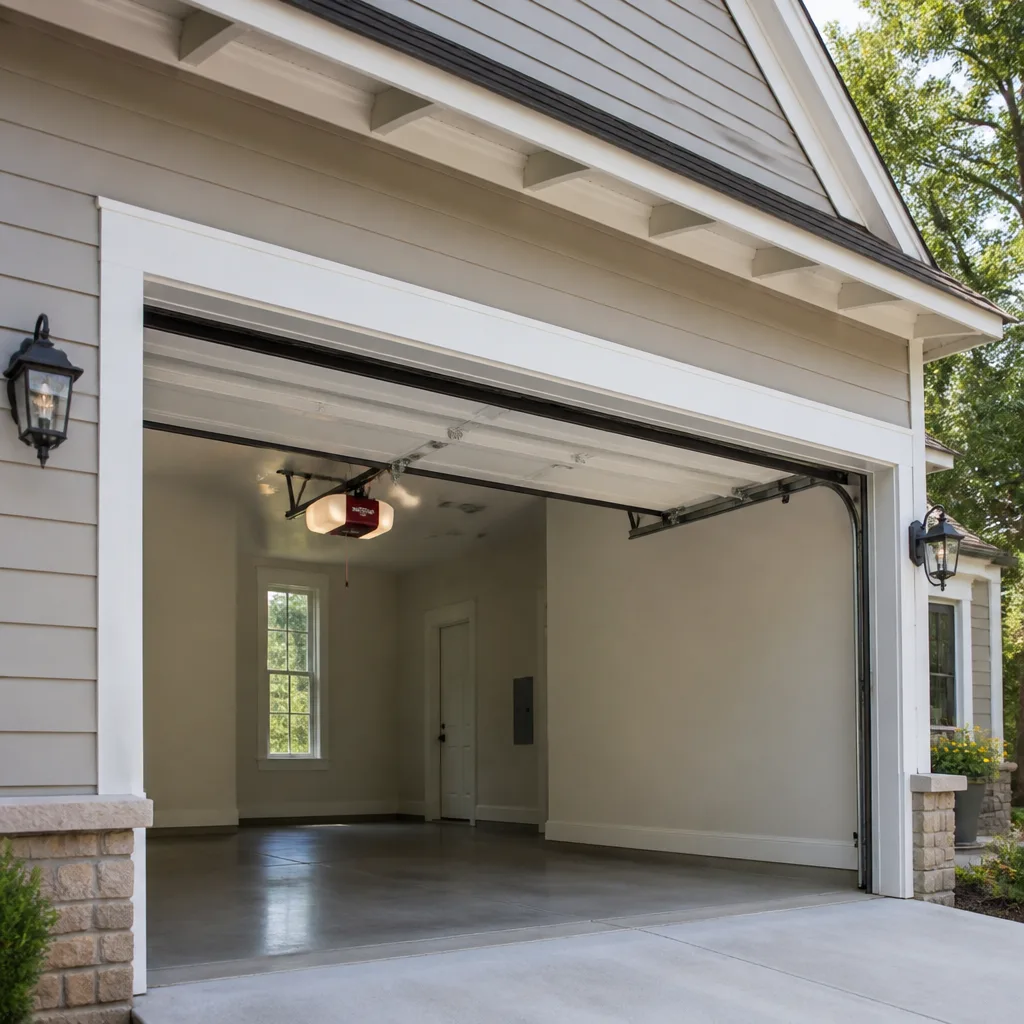 LiftMaster openers
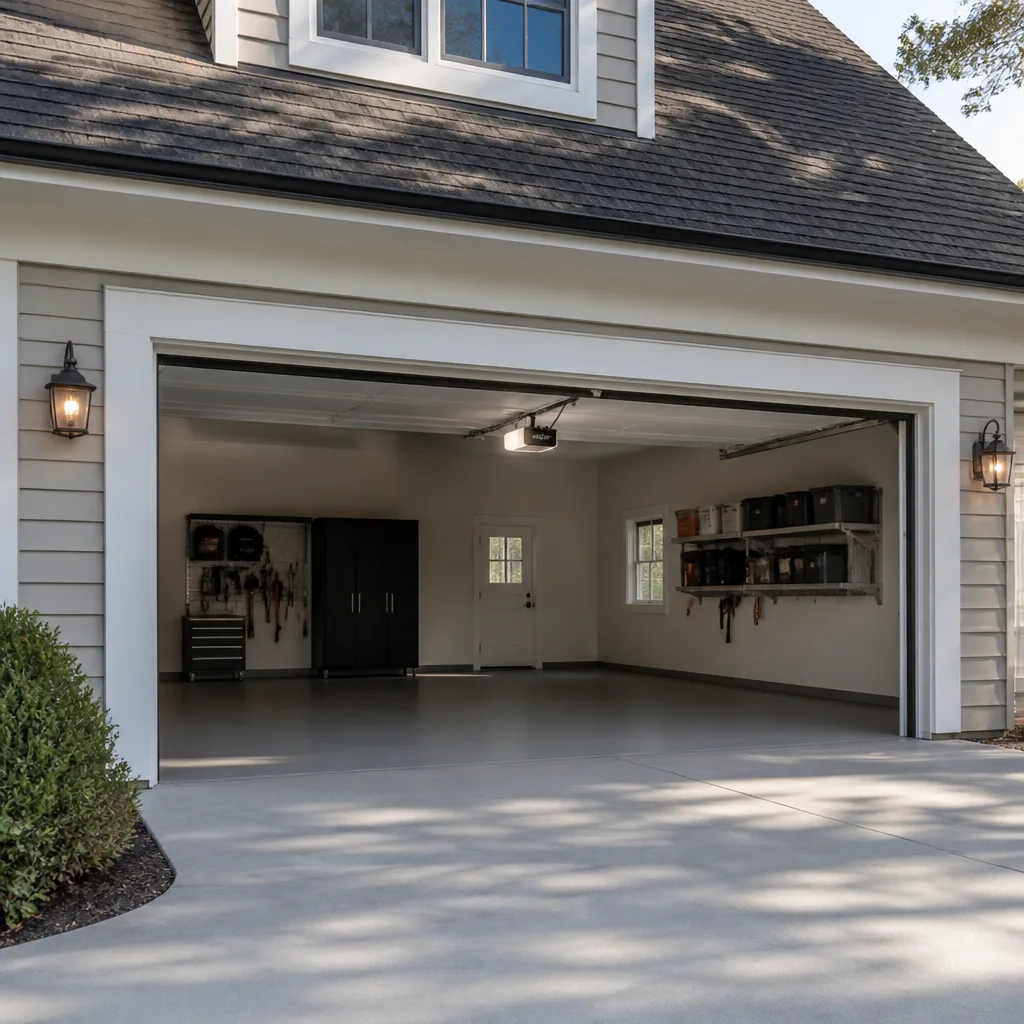 Chamberlain openers
Full 25-point door and opener safety check with every visit - springs, cables, rollers, tracks, and your LiftMaster or Chamberlain opener included
You get a price before we start. It does not change when the pro arrives.
Get your free estimateHow to Hire a Garage Door Contractor in Oceanfront: A Step-by-Step Guide
Most homeowners vet a garage door contractor the same way they’d hire a painter: get a couple of quotes, pick whoever called back first, and hope for the best. That approach works fine for repainting a hallway. It doesn’t work for a garage door, because behind that panel sits a torsion spring under full tension storing enough mechanical energy to seriously injure someone if it’s handled wrong. The vetting process has to be different. In this guide we’ll walk through what Oceanfront homeowners should actually check – the license and insurance questions that matter in Virginia, the five questions to ask before anyone touches the door, how to read an estimate line by line, the red flags specific to this market, and the three tests to run before you sign off on the work.
Quick Answer
To hire a garage door contractor in Oceanfront, verify Virginia contractor licensing and general liability insurance before work begins, ask five specific questions about spring handling and brand experience, and demand a line-item written estimate that separates labor, parts, and any disposal charges. Choose a contractor who explains the actual fault and quotes a written price you agree to before any work starts, not one who leads with a replacement quote before diagnosing the door.
Styles & brands we work with
- Raised-panel steel
- Carriage house
- Modern flush
- Full-view glass
- LiftMaster openers
- Chamberlain openers
Table of Contents
- Why Vetting a Garage Door Contractor Is Different
- What License and Insurance Should a Garage Door Contractor Have in Oceanfront?
- The Five Questions to Ask Before Anyone Touches Your Door
- How to Read a Garage Door Estimate Line by Line
- Red Flags Specific to the Oceanfront Market
- How to Verify the Work: Three Tests Before You Sign Off
- Repair or Replace? How to Tell What You Actually Need
- Hiring Under Pressure: What to Do When the Door Won’t Move
Why Vetting a Garage Door Contractor Is Different
A garage door is the heaviest moving assembly on most homes. A standard single door can weigh well over a hundred pounds, and the springs that counterbalance it are wound under tension to make that weight feel like almost nothing when you lift the handle. That stored energy is what makes the trade different. A painter who makes a mistake creates a mess. A garage door technician who makes a mistake with a torsion spring can be badly hurt, and the same risk passes to any homeowner who tries to adjust or remove a spring themselves.
That single fact changes what you’re screening for. You’re not just checking whether a contractor is polite and punctual – though those matter. You’re checking whether they understand the mechanics of your specific door, whether they’ve been trained on spring work, and whether their insurance would actually respond if something went wrong on your property.
We’ve seen the pattern plenty of times around Oceanfront: a homeowner takes three quotes, chooses the lowest, and the crew that arrives spends ten minutes looking at the door and then recommends a full replacement when a spring and a set of rollers would have solved it. The right fix, not the easiest upsell, is what separates a real garage door specialist from a general handyman who happens to own a ladder.
You’ll want a contractor who works on the brand you already have, not one who steers every job toward the one manufacturer they carry. More on that below.
What License and Insurance Should a Garage Door Contractor Have in Oceanfront?
A garage door contractor working in Oceanfront should hold a valid Virginia contractor license appropriate to the scope of work and carry general liability insurance and workers’ compensation coverage. Ask for proof of all three in writing before work starts, and verify the license number directly with the Virginia Department of Professional and Occupational Regulation rather than taking a screenshot at face value.
Virginia doesn’t hand out a special “garage door license” – garage door work typically falls under a general contractor classification, and the exact class depends on the dollar value of the work. That’s why verification matters more than the label. A contractor who can’t tell you which class they hold, or who dodges the question, is telling you something.
Here’s what to confirm in writing:
- Contractor license number and class, checked against the state database.
- General liability insurance certificate naming the coverage limits and the policy period still active.
- Workers’ compensation coverage – if a technician is injured on your property and the company isn’t covered, the exposure can come back to you.
- A written contract that states the scope, the price, and any exclusions before work begins.
That last point is the one homeowners skip most often. Virginia requires a written contract for home improvement work above a certain dollar threshold, and while the exact figure is worth confirming with the state, the practical rule is simple: if the contractor won’t put it in writing, don’t proceed.
Insurance is the piece people underestimate. A garage door failure can damage the door itself, the opener, the tracks, and occasionally a vehicle parked underneath. You want to know the company can cover that without a fight. Ask directly: “If your technician damages my door during the repair, whose insurance pays?” A confident, specific answer is a good sign. A vague one isn’t.
The Five Questions to Ask Before Anyone Touches Your Door
These five questions will tell you more about a garage door contractor than any review page. Ask them on the phone before you book. Listen not just for the answer but for whether the person sounds like they’ve actually done the work.
-
“How do you handle torsion springs – replace one or both?”
A matched pair of springs is usually replaced together because they wear at the same rate, and replacing one while leaving a tired partner in place often means a second call weeks later. A good answer explains this trade-off. A bad answer is “whatever you want” with no explanation, or a promise to replace just one without noting the risk. -
“Are your technicians trained on spring work specifically?”
Spring repair is the most dangerous part of the trade, and not every garage door company staffs for it. You want to hear that spring work is a dedicated service, not something squeezed in between opener installs. Our own technicians have up to 10 years of experience, and spring work is a core part of what we do. -
“Which brands do you work on?”
A single-brand dealer has an incentive to steer you toward their brand. You want a contractor comfortable diagnosing LiftMaster, Chamberlain, Genie, and Clopay systems – and legacy manual equipment too. Brand-agnostic experience means the technician diagnoses the actual fault rather than defaulting to a same-brand replacement. -
“Will I get a written estimate before work starts?”
The answer should be an unqualified yes. The price is quoted and agreed before any work begins, and the written estimate sets the final price. If the person on the phone hedges, that’s your signal. -
“What’s your process if the diagnosis changes once you’re on site?”
Every honest contractor has had a job where the problem turned out bigger than expected. The right answer is that they stop, explain what they found, quote the revised scope, and wait for your approval before continuing. The wrong answer is “we just handle it.”
What a bad answer sounds like, in short: vague, defensive, or eager to quote a replacement before anyone has looked at the door. What a good answer sounds like: specific, calm, and willing to explain the trade-offs without pressure.
How to Read a Garage Door Estimate Line by Line
A garage door estimate should list parts and labor separately, name the specific parts being installed, and state the total in a single clear figure. Anything bundled into one lump sum with no breakdown is a document you can’t compare against another quote – and that’s the point of asking for line items.
Here’s what a well-built estimate looks like for common Oceanfront jobs. These are typical estimated ranges for the Hampton Roads market; your written estimate sets the final price.
- Torsion spring replacement (one spring): typically $180 to $340, including labor.
- Matched pair of torsion springs: roughly double the single-spring figure, since both are replaced together.
- Extension spring replacement (per spring): usually a lower range than torsion, depending on door weight.
- Cable replacement (per cable): typically $90 to $200.
- Roller replacement (set): typically $100 to $200.
- Opener repair: varies by fault – a gear, a logic board, or a safety sensor issue each prices differently.
- New opener installation: quoted per unit based on the model and door type.
- Full door installation: quoted per door after a measure, since size and material drive the number.
Three charges you should challenge if they appear:
- Vague “shop supplies” or “miscellaneous” lines with no explanation. Ask what’s included.
- A “diagnostic fee” that isn’t disclosed up front. Estimates should be free; if a fee is quoted, get it in writing before the visit.
- A spring quote that lists one price for a pair. A single spring price covers one spring. A pair costs about twice that. If a quote is unclear on this, ask.
Upsells to decline, at least on the first visit: a full door replacement offered before the actual fault is diagnosed, an opener upgrade when the existing unit only needs a gear or sensor, and any “package” that bundles services you didn’t ask about. If the technician can’t explain why a part needs replacing, don’t authorize it.
One more thing worth knowing: on this trade the biggest fear after the breakdown itself is an invoice larger than the quote. That’s why the written estimate matters so much. The price is set before work starts, and if the scope changes mid-job, you get a revised quote and approve it first. If a contractor won’t work that way, walk.
Red Flags Specific to the Oceanfront Market
The Oceanfront and greater Virginia Beach market has a few contractor patterns worth watching for. None of them are unique to garage doors, but they show up often enough that we flag them for every homeowner who calls.
Out-of-area storm chasers
After any significant weather event, out-of-area crews tend to appear, quote aggressively, collect a deposit, and disappear before the follow-up. The giveaway is often a phone number with an out-of-state area code, no verifiable Virginia license, and a reluctance to put anything in writing. A local contractor will be around next month if something goes wrong. A storm chaser won’t.
Single-brand dealers who steer toward replacement
Some companies only carry one manufacturer. That’s not automatically a problem, but it does mean the person diagnosing your door has an incentive to recommend their brand’s replacement parts or a full door swap. A brand-agnostic contractor works on the brand you already have and diagnoses the actual fault. If your Clopay door needs a new spring, the right fix is a spring, not a new door.
Quotes that skip the measure
Installation and replacement work requires a proper measure before a firm number is given. A quote for a new door that arrives without anyone measuring the opening is a guess, not an estimate. On installation topics, expect a free measure and a written price rather than a same-day commitment – that work is measured, ordered, and scheduled.
Pressure to decide on the spot
Garage door repair isn’t a limited-time offer. A contractor who pushes you to sign before you’ve had a chance to compare is telling you they’d rather close fast than answer questions. Take the estimate, read it, and call back.
No proof of insurance at the door
Any technician who shows up without the company able to produce a certificate of insurance on request is a red flag in any market, but especially in a metro where property values make a damage claim expensive.
How to Verify the Work: Three Tests Before You Sign Off
Before you sign off on a garage door repair, run three functional tests with the technician present: the balance test, the safety-reverse test, and the manual release test. All three take a couple of minutes and they tell you whether the door and opener are actually working together or just moving.
-
The balance test.
With the door closed and the opener disconnected, lift the door halfway by hand and let go. A properly balanced door should hold roughly in place. If it slams down or drifts up, the spring tension is wrong and needs adjustment before you accept the job. This is the single most important test after a spring replacement. -
The safety-reverse test.
Place a solid object – a roll of paper towels works – in the door’s path and close the door using the opener. The door should reverse on contact. If it doesn’t, the safety sensors or the opener’s force setting needs adjustment. Don’t sign off until it reverses reliably. -
The manual release test.
Pull the emergency release handle and confirm the door disengages cleanly from the opener and moves freely by hand. Then re-engage it and confirm the opener takes over smoothly. This is what you’ll rely on during a power outage, so it needs to work every time.
Ask the technician to walk you through each test rather than doing them privately. A contractor confident in the work will happily demonstrate. Beyond the tests, ask for the manufacturer’s documentation on any parts replaced, confirm the warranty terms in writing, and keep the estimate with the work order so any follow-up is straightforward.
Repair or Replace? How to Tell What You Actually Need
Most garage door problems are repairable, and replacement is usually the right call only when the door itself is structurally failing or the homeowner wants a deliberate upgrade. Knowing the difference protects you from being sold a door you didn’t need.
Repair is usually the answer when:
- The door is stuck, crooked, or won’t close – typically springs, cables, or track alignment.
- The opener runs but the door doesn’t move – often a stripped gear or a broken spring.
- The door is noisy or jerky – usually worn rollers or hinges.
- The opener remote or wall button stops responding – usually a logic board, sensor, or battery issue.
Replacement is more likely the right call when the door panels are dented or rusted through, the door has been hit by a vehicle hard enough to bend the tracks and panels, or the homeowner is upgrading intentionally for curb appeal or security. Even then, get a written measure and a line-item estimate rather than a verbal number.
If the diagnosis is a spring, ask specifically whether one or both are being replaced, and confirm the balance test passes before payment. If the diagnosis is the opener, ask whether the unit can be repaired or genuinely needs replacing – some failures are a $40 part, others aren’t. A contractor who explains the difference is the one you want.
For a broader look at what full-service work covers, our Garage Door Repair Oceanfront team handles repair, opener work, spring work, and new installs under one roof, so there’s no handoff if a spring job turns into an opener job. We also handle garage door repair for older manual doors as readily as modern smart systems.
Hiring Under Pressure: What to Do When the Door Won’t Move
When a door won’t close at night or won’t open in the morning, the hiring process compresses into minutes – and that’s exactly when people make bad choices. The good news is you can still follow a short checklist without slowing down.
- Make sure no one is under the door and don’t force a stuck door by hand. A binding door under tension can come down hard.
- Disconnect the opener if the door is jammed and you need to move the car. Pull the release handle, then lift carefully. If the door is heavy or won’t budge, leave it.
- Call a garage door specialist, not a general handyman. Emergency spring and cable work requires training and the right tools on site.
- Ask for the estimate before work starts even on an emergency call. The price is quoted and agreed first, every time.
- Confirm the company handles your door’s brand and can source the right parts rather than improvising.
Emergency garage door service is a core part of what we do, not an add-on. Call (855) 337-0930. We answer 24/7. Fast dispatch from 7am to 7pm, Sunday through Friday. If it’s a night call, we’ll book you into the next opening, and the same written-estimate rule applies.
For opener-specific failures, our garage door opener repair service covers smart and WiFi-enabled units alongside legacy manual systems, so a LiftMaster or Chamberlain logic board failure is diagnosed as exactly that rather than an excuse to replace the whole door.
Common Mistakes to Avoid
- Hiring on callback speed alone. The company that answers first isn’t necessarily the one with spring training. Screen for licensing and spring experience before you book.
- Accepting a verbal quote. A number on the phone isn’t a contract. Get the scope and price in writing before anyone starts, and confirm what triggers a revised quote.
- Authorizing a replacement before diagnosis. If a contractor recommends a new door in the first ten minutes, ask what fault was found and whether a repair is possible.
- Skipping the insurance check. A contractor without liability and workers’ comp coverage leaves the exposure with you if something gets damaged or someone gets hurt on your property.
- Paying a deposit to an out-of-area crew after a storm. Verify the Virginia license first, and be wary of anyone collecting cash before the work is scheduled.
- Not running the three tests before sign-off. The balance test, safety-reverse test, and manual release test catch most problems while the technician is still there to fix them.
- Trying a spring repair yourself. Torsion springs store serious energy. This is the one part of the job that should never be a DIY project, no matter how many video tutorials exist.
See the difference
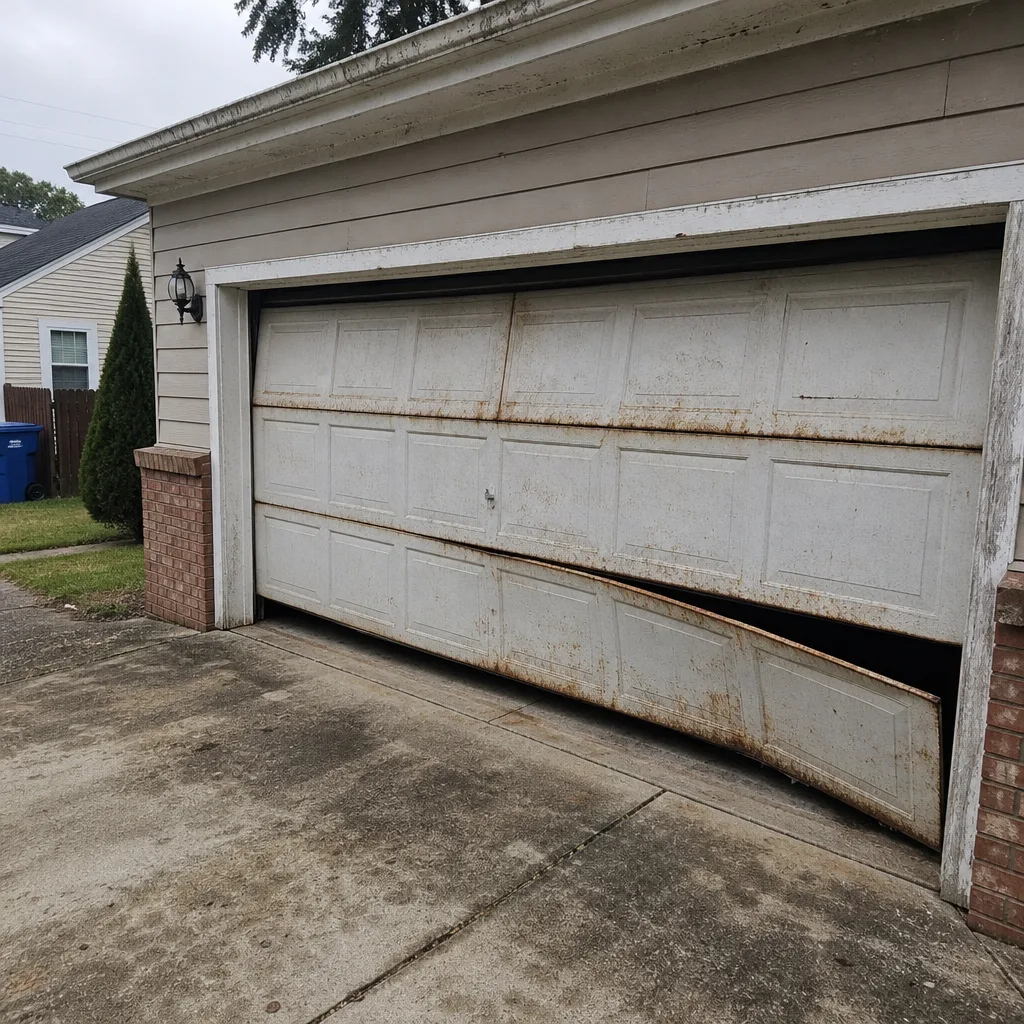 Before
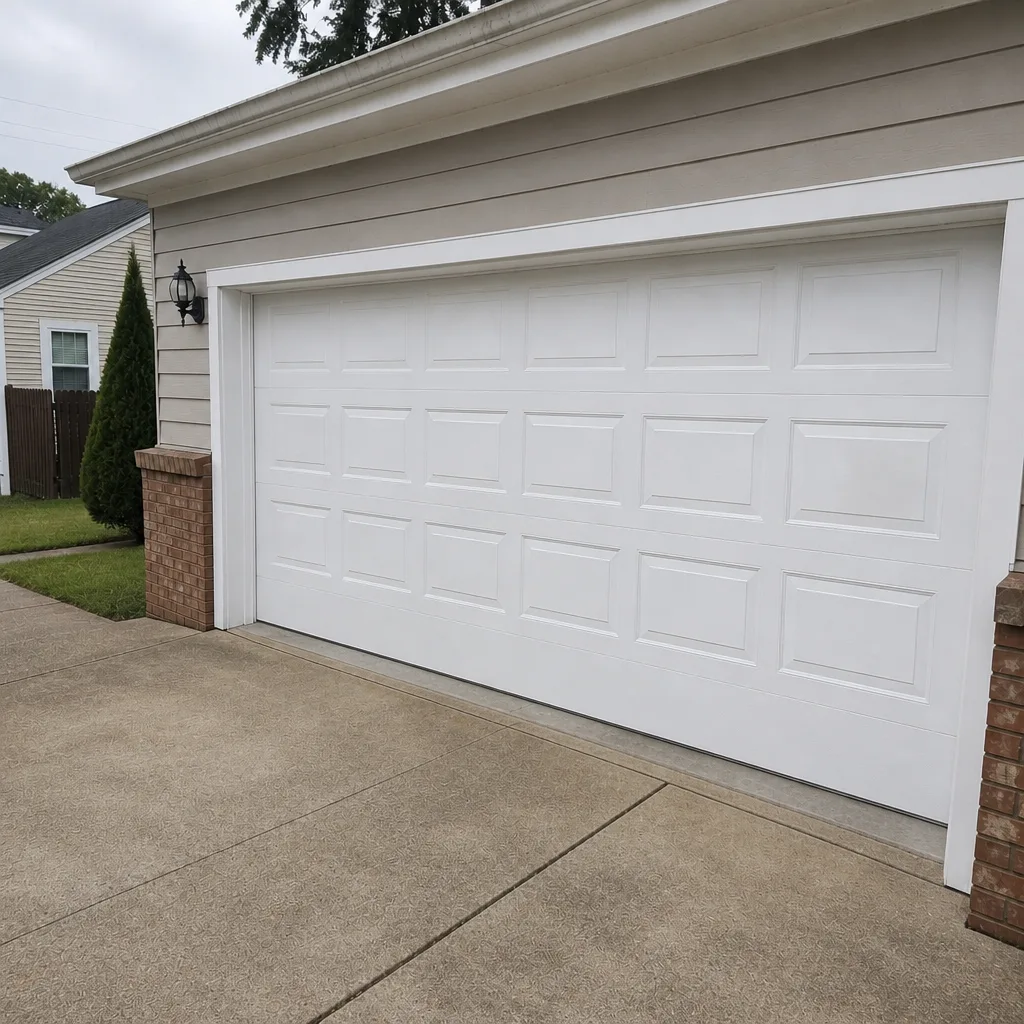 After
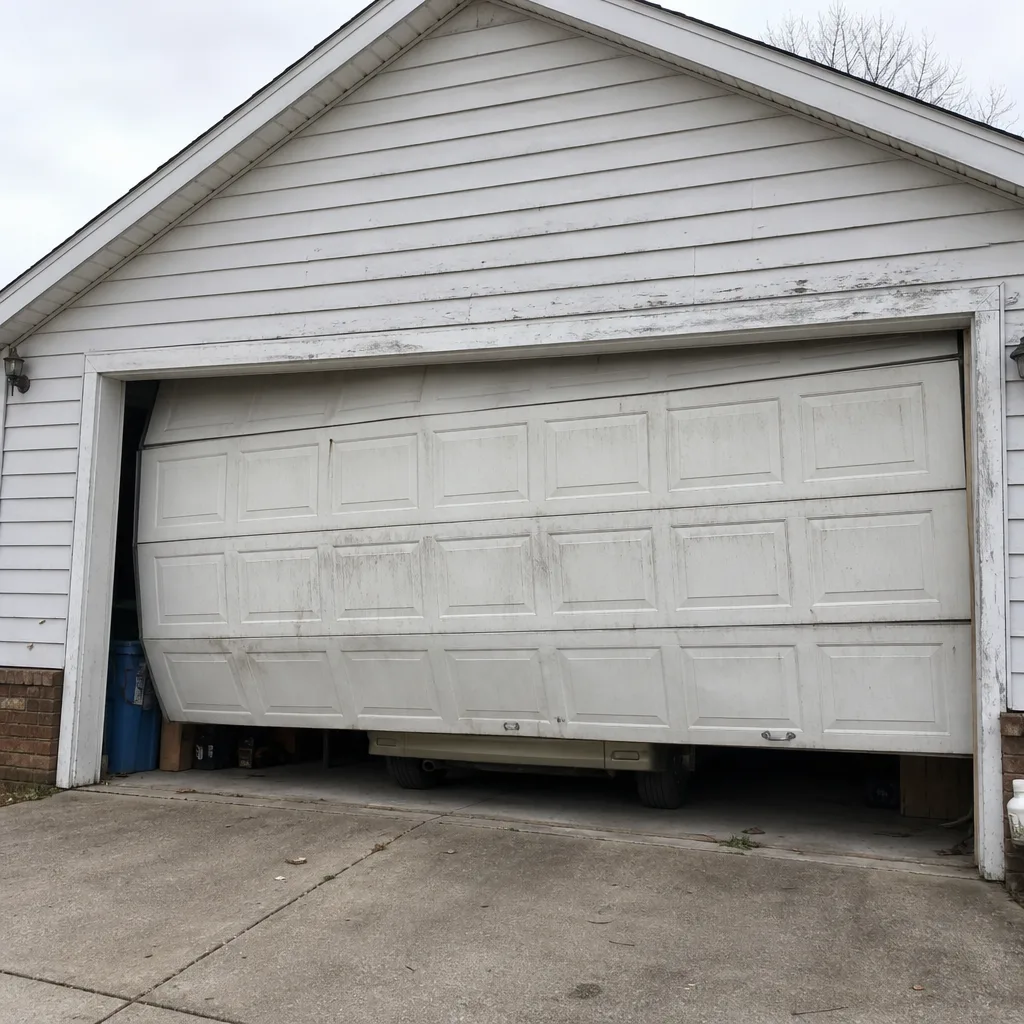 Before
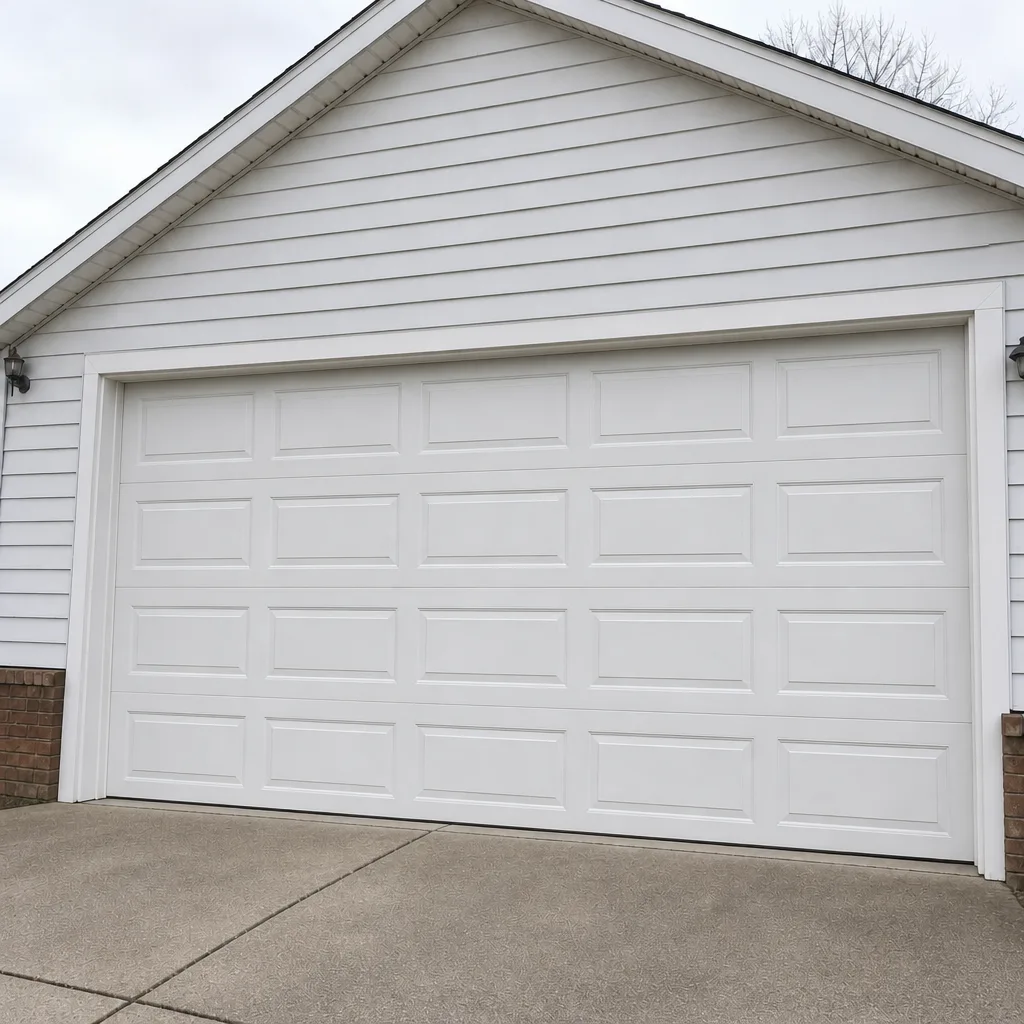 After
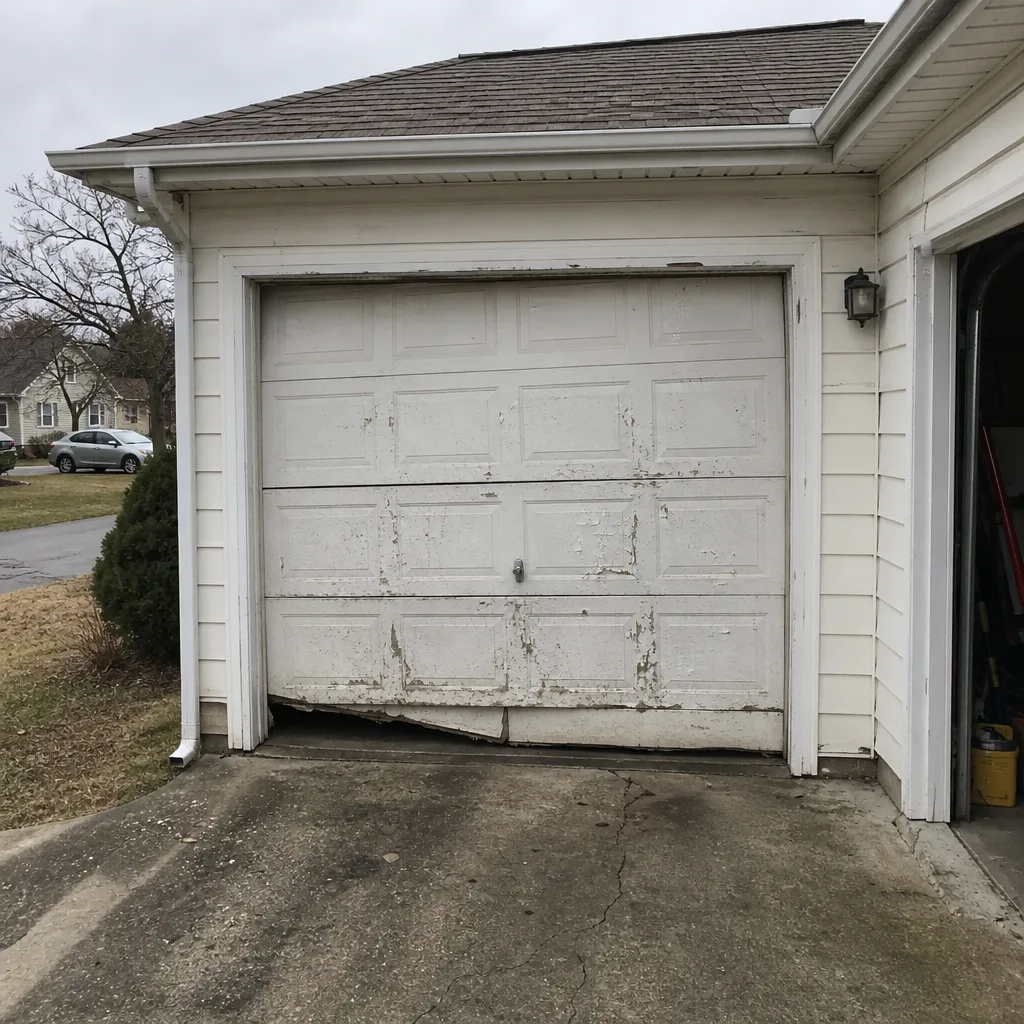 Before
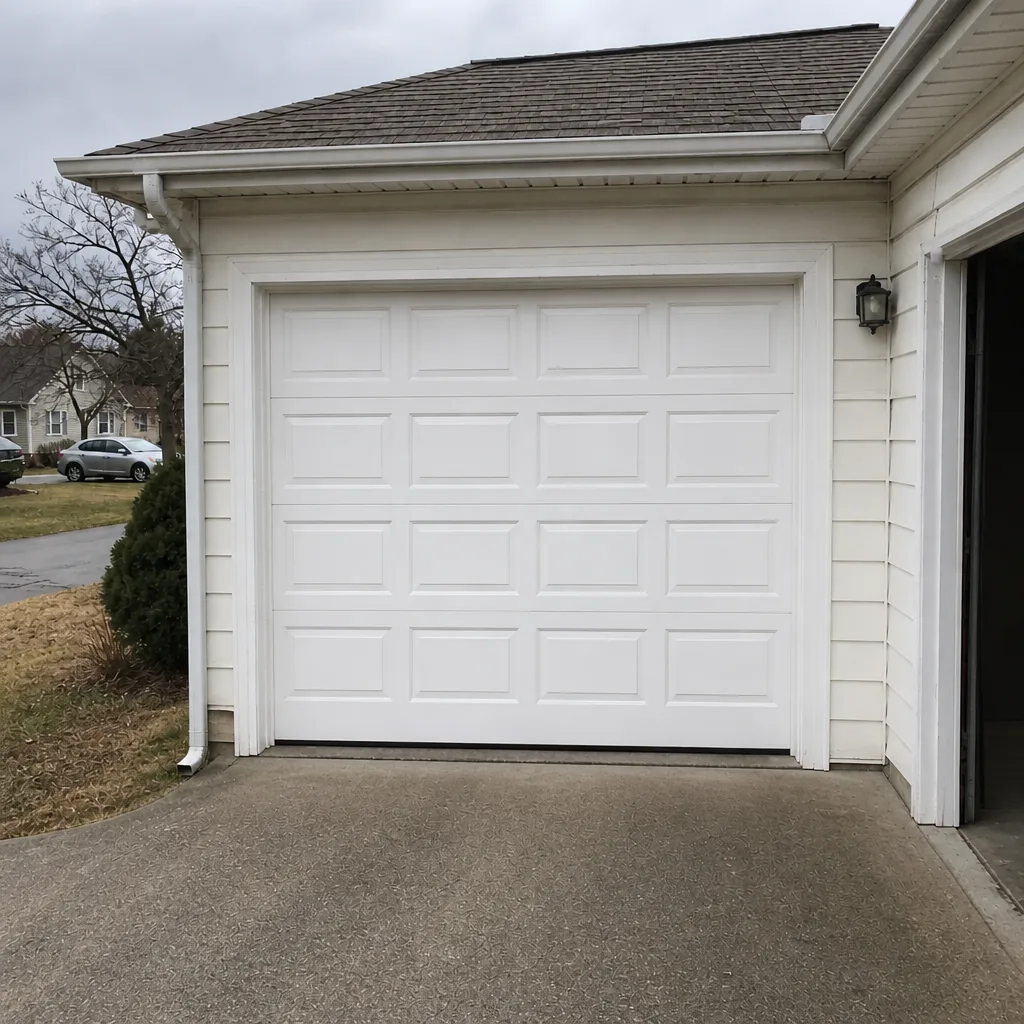 After
When to Call a Professional
Call a professional for anything involving springs, cables, or the opener’s internal mechanism. A door that won’t close, a snap from above the door followed by a sudden drop in weight, a cable hanging loose, a door that reverses on its own, or an opener that runs without moving the door – all of these are signs to stop using the door and get a trained technician out. Springs and cables are under tension and can cause serious injury if handled wrong. For homeowners in Oceanfront, Garage Door Repair Oceanfront offers free estimates – call (855) 337-0930. Our technicians have up to 10 years of experience, and we work on the brand you already have rather than steering you toward a replacement you didn’t ask for.
If you’re planning a deliberate upgrade rather than a repair, that’s a different conversation. garage door installation is measured and scheduled with a written price, not rushed on the same day. Whether the job is a broken spring today or a new door next season, the estimate comes first.
Frequently Asked Questions
Yes. Garage door work in Oceanfront should always be done by a licensed, insured contractor, and the license should be verifiable through the Virginia Department of Professional and Occupational Regulation. Ask for the license number and insurance certificate before work begins, and confirm both directly rather than relying on a screenshot. Call (855) 337-0930 for a free estimate from a licensed local contractor.
Torsion spring replacement in Oceanfront typically costs $180 to $340 for one spring, including labor. A matched pair is usually replaced together and costs roughly twice that. Extension springs price lower per spring. These are typical estimated ranges for the local market – your written estimate sets the final price. Call (855) 337-0930 for an exact quote; estimates are free.
For repair and emergency calls, same-day service is often possible. Call (855) 337-0930. We answer 24/7. Fast dispatch from 7am to 7pm, Sunday through Friday. A call outside dispatch hours is booked into the next opening. For installation and replacement work, expect a free measure and a written price before a date is scheduled.
No, not without your approval. The price is quoted and agreed before any work starts, and the written estimate sets the final price. If the diagnosis changes once the technician is on site, you get a revised scope and quote and approve it first. Call (855) 337-0930 and we’ll explain how the estimate works for your specific job.
Yes. The local professional we connect you with is licensed and insured as Virginia requires, and can provide the license number and certificate of insurance on request. Ask for both before work begins – any contractor who hesitates on that request is one to walk away from. Call (855) 337-0930 to book a free estimate.
We work on the brand you already have. That includes LiftMaster, Chamberlain, Genie, Clopay, and other common systems, smart and WiFi-enabled openers as well as legacy manual equipment. Brand-agnostic troubleshooting means the technician diagnoses the actual fault rather than defaulting to a same-brand replacement. Call (855) 337-0930 to talk through what your door is doing.
The Bottom Line
Hiring a garage door contractor in Oceanfront comes down to treating it less like hiring a painter and more like hiring someone to work on a system with real stored energy. Verify the Virginia license and insurance in writing. Ask the five questions, especially about spring handling and brand experience. Insist on a line-item estimate, and challenge anything vague. Run the balance, safety-reverse, and manual release tests before you sign off. Skip the storm chasers and the single-brand dealers who push replacements. Do that, and you’ll end up with the right fix at a price you agreed to in advance.
Garage Door Repair Oceanfront handles repair, opener repair, spring repair, and full installation across the brands you already own – from a broken spring to a brand-new door. Call (855) 337-0930 for a free estimate and a written price before any work begins.
Written by the team at Garage Door Repair Oceanfront.