
Last updated November 22, 2026
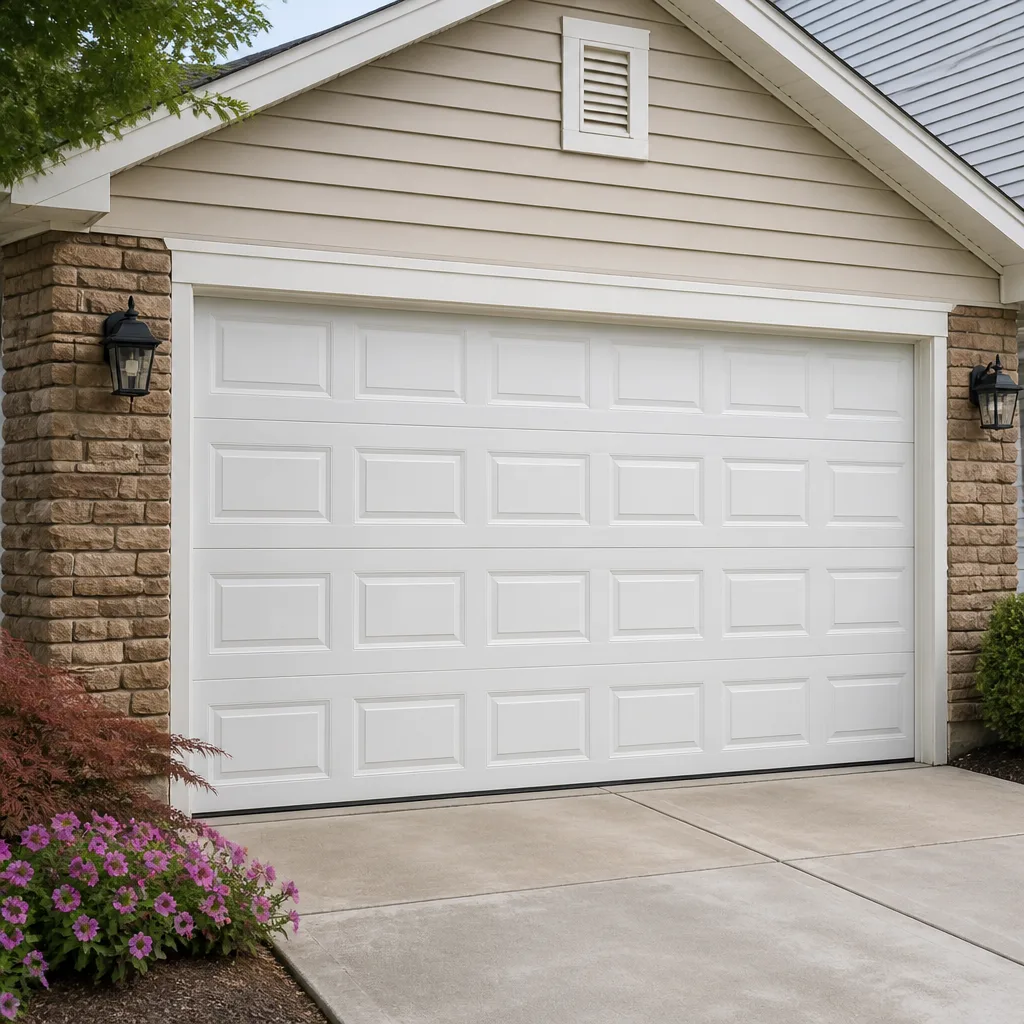 Raised-panel steel
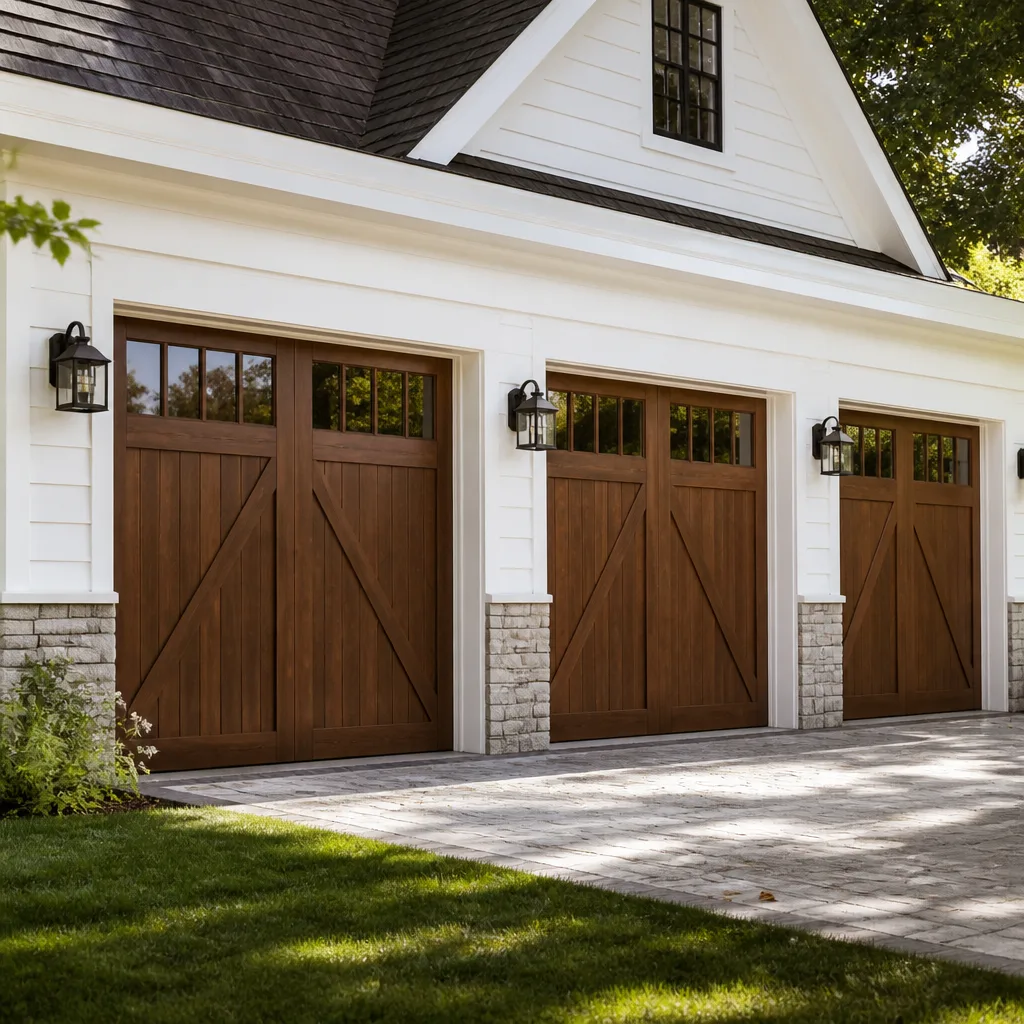 Carriage house
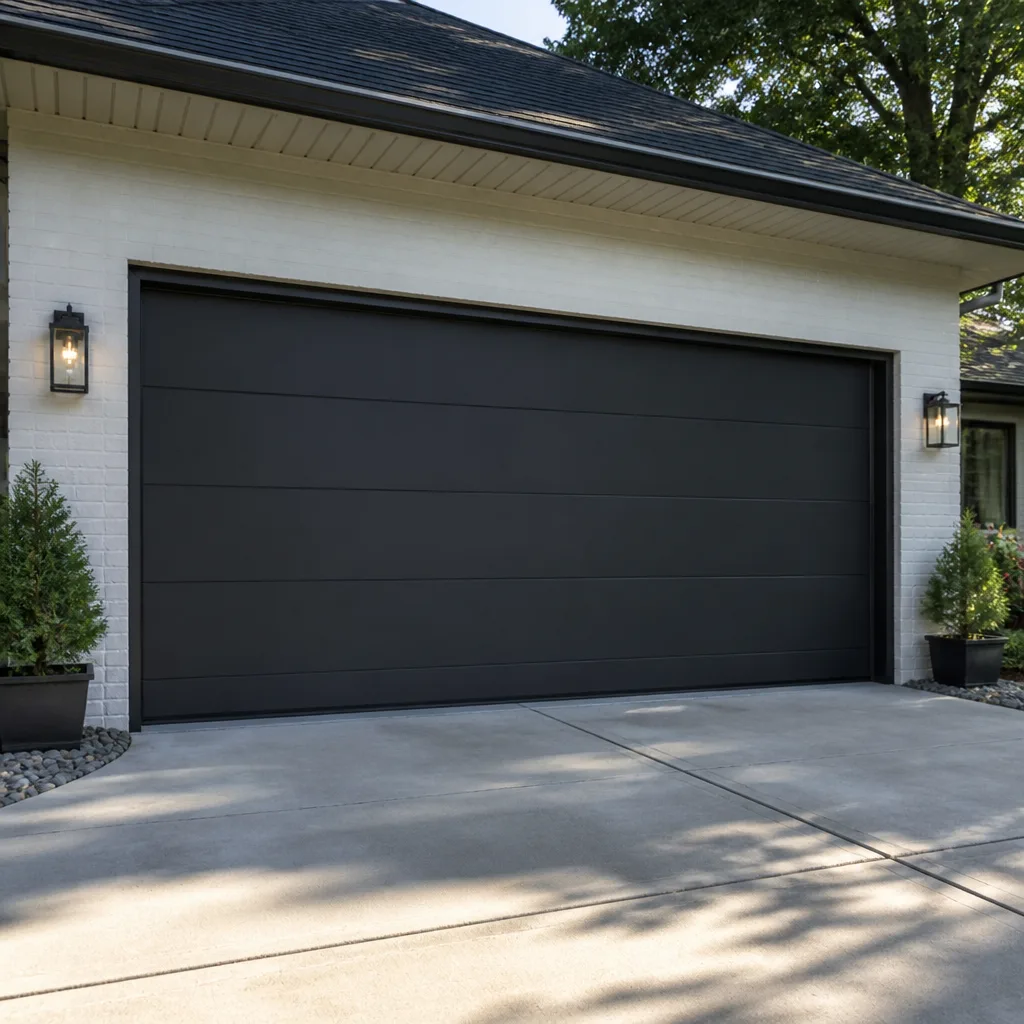 Modern flush
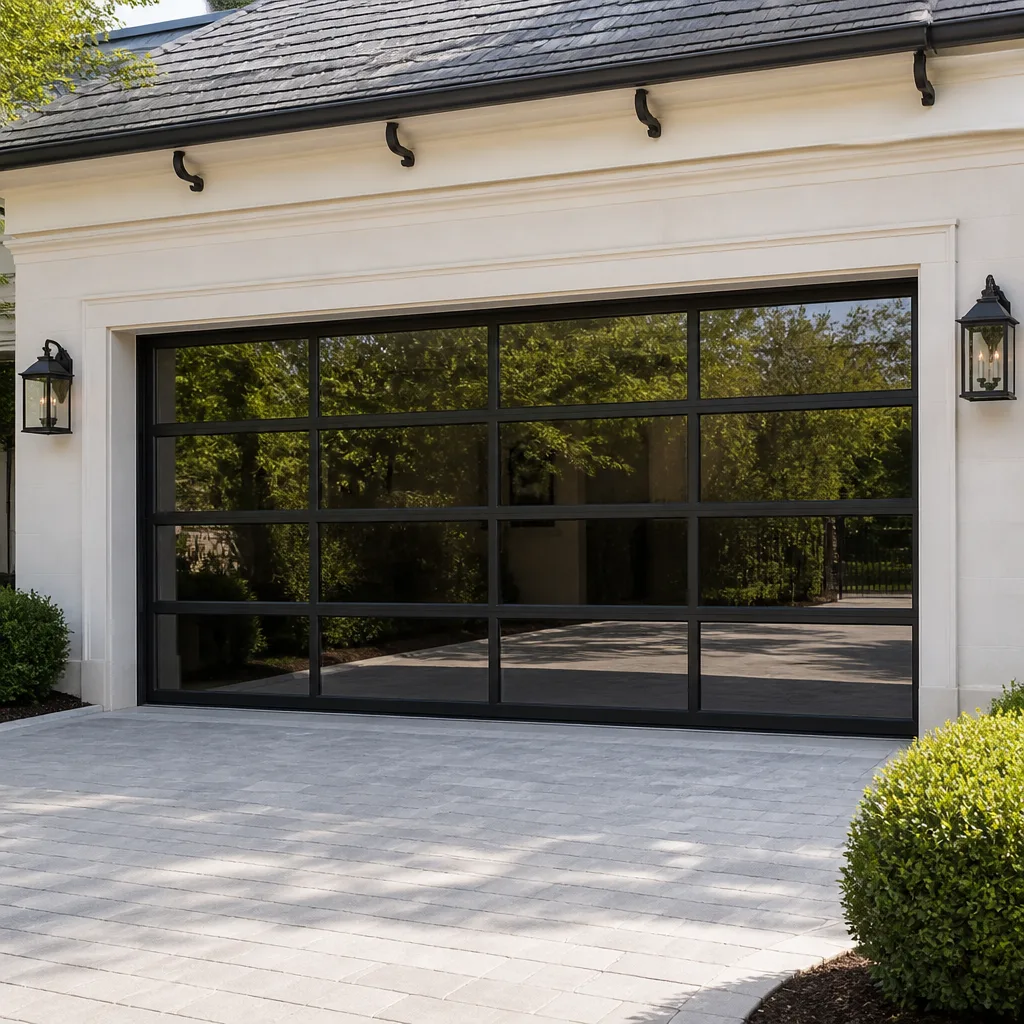 Full-view glass
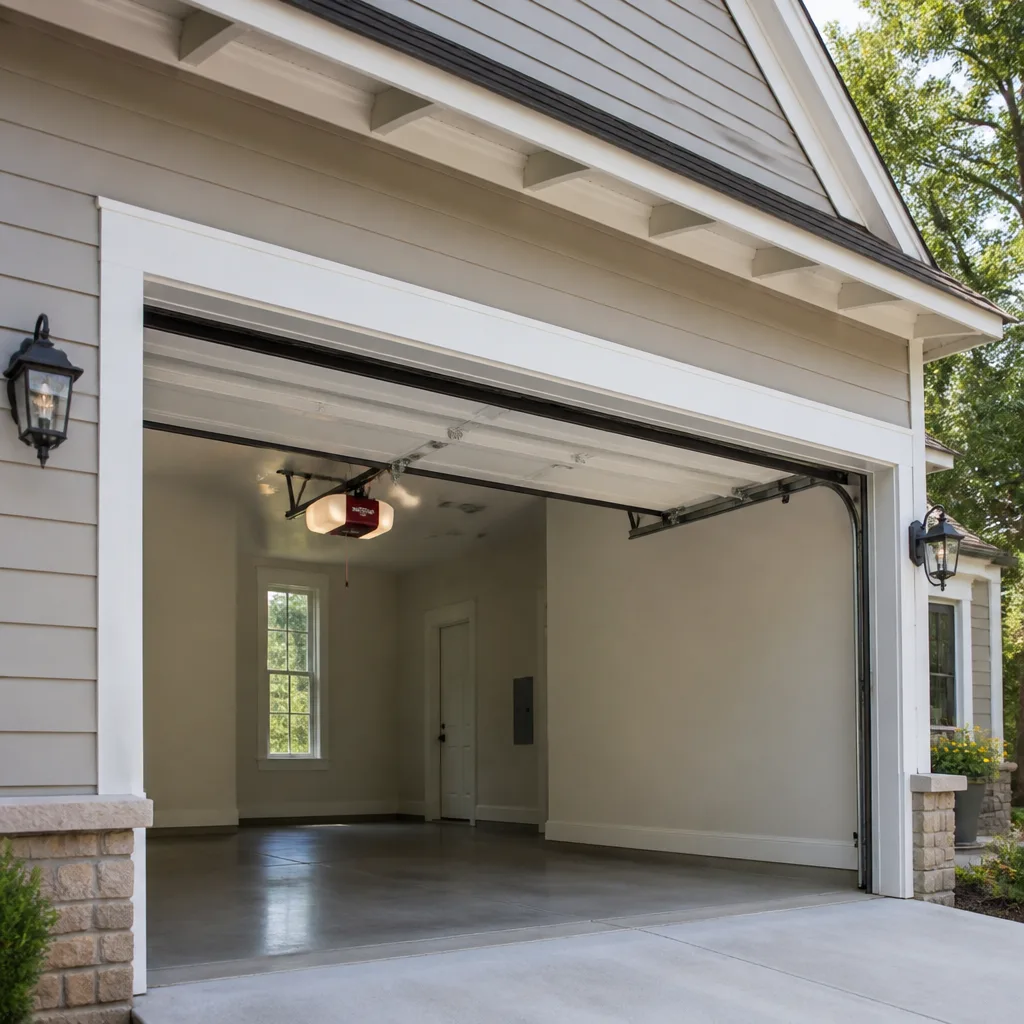 LiftMaster openers
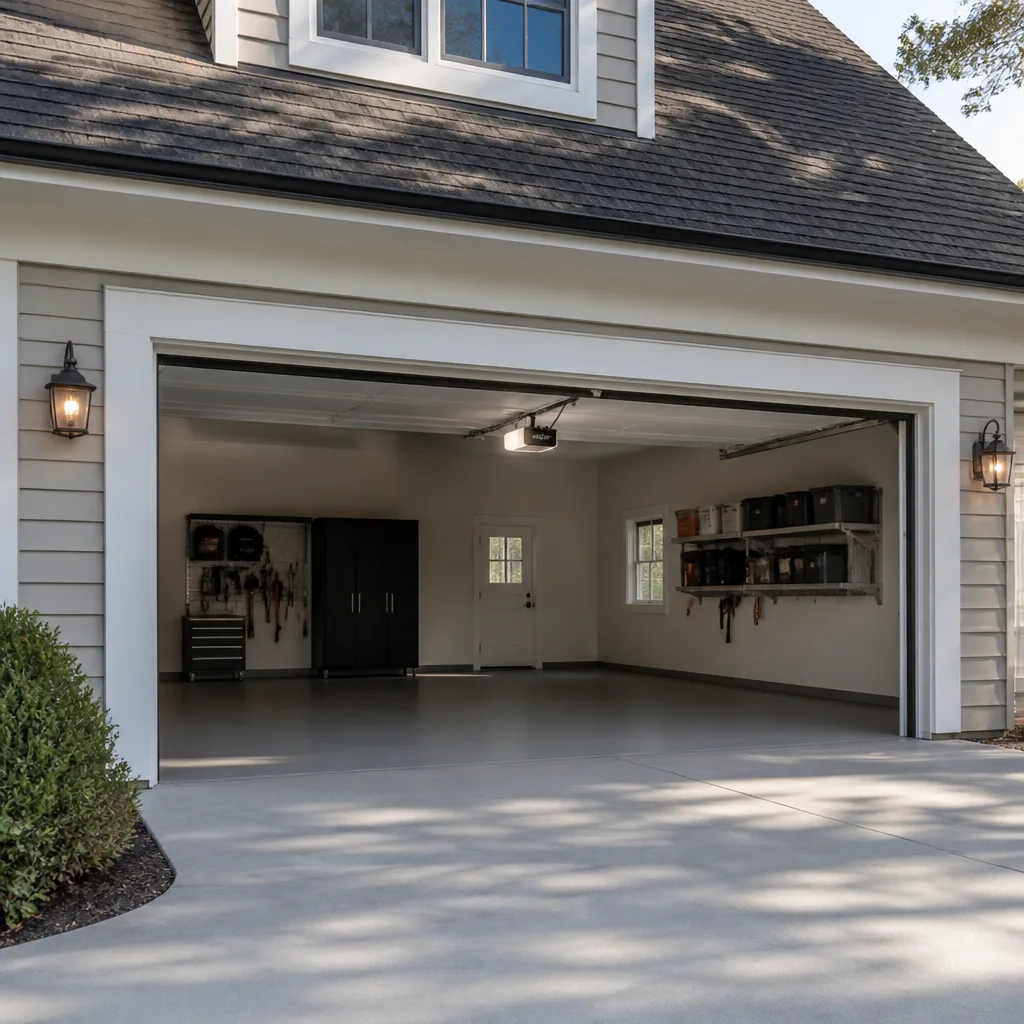 Chamberlain openers
Full 25-point door and opener safety check with every visit - springs, cables, rollers, tracks, and your LiftMaster or Chamberlain opener included
You get a price before we start. It does not change when the pro arrives.
Get your free estimateThe Complete Guide to Garage Doors in Oceanfront
A steel garage door rated for twenty years in Ohio can show visible corrosion in under three years within a mile of the Atlantic. That gap between a manufacturer’s rating and this coastline’s reality is where most garage door advice falls apart. Standard guides assume a dry, stable climate and a door that only fights gravity. Here in Oceanfront, a door fights humidity, salt-laden air, and hurricane-season wind loads at the same time. This guide walks through the full lifecycle of a garage door in Oceanfront, from picking materials that survive the coast to knowing when a repair beats a replacement.
Quick Answer
The right garage door for Oceanfront is one built for a coastal, hurricane-zone environment: galvanized or stainless hardware, a finish rated for salt exposure, and a wind-load rating that meets local code. Buy for corrosion resistance and wind rating first, insulation second. Repair versus replacement usually comes down to age and hardware condition – springs and tracks corrode here faster than the panels do, so many doors get retired early for hardware that could have been protected.
Styles & brands we work with
- Raised-panel steel
- Carriage house
- Modern flush
- Full-view glass
- LiftMaster openers
- Chamberlain openers
Table of Contents
- Why Oceanfront Is Hard on Garage Doors
- Materials and Hardware That Resist Salt Air
- Wind Load Ratings in a Hurricane Zone
- Insulation R-Values in Coastal Virginia Humidity
- The Full Lifecycle of a Garage Door
- Realistic Cost Benchmarks for Oceanfront
- Openers, Smart Systems, and Coastal Reliability
- A Seasonal Maintenance Routine for the Coast
Why Oceanfront Is Hard on Garage Doors
Garage doors fail from the inside out on the coast. The panels you see may look fine while the springs, hinges, rollers, and bottom brackets are quietly rusting. Salt air doesn’t need direct contact to do damage – humid air carries chloride particles inland and deposits them on every unpainted metal surface, and a garage interior with poor ventilation holds that moisture against the steel.
What that means in practice:
- Springs go first. Torsion and extension springs are bare, high-tension steel with no finish to protect them. In Oceanfront, surface rust appears on springs faster than in dry inland climates, and rust is a stress riser that shortens spring life.
- Tracks and rollers corrode. Steel tracks and steel rollers pit, which makes the door run rough and noisy. Rough operation adds load to the opener and accelerates wear on every moving part.
- Bottom sections take the worst of it. The lowest panel sits closest to the slab, where ground moisture and splash-back collect. That’s the panel that usually needs replacing first.
- Hinges and fasteners seize. Painted hinges on standard residential doors lose their coating at the pivot points, and that’s where rust starts biting into the mechanism.
- Storm exposure adds load. Wind-driven rain pushes water past weather seals that were fine in a calmer climate, which means water sits on the interior hardware.
None of this is a reason to panic. It’s a reason to buy differently and inspect more often. The doors that hold up in Oceanfront are the ones where the hardware spec matches the environment. If you’re already hearing grinding, dragging, or a door that binds partway up, that’s the point to look at garage door repair rather than waiting for a full failure.
Materials and Hardware That Resist Salt Air
The single biggest upgrade for a coastal door is hardware, not the panel. Most residential doors ship with the same painted steel hinges, steel rollers, and bare springs regardless of where they’re installed. On the coast, upgrading the small parts is what separates a door that lasts from one that’s rusted solid in a few years.
What to look for on a spec sheet or ask about directly:
- Galvanized or stainless steel hardware. Hinges, brackets, and fasteners in galvanized or stainless steel resist chloride far better than painted steel. This is the highest-value coastal upgrade on most doors.
- Nylon rollers instead of steel. Nylon rollers don’t rust, run quieter, and are gentler on the track. On a coastal door they’re worth the small premium.
- Springs with a coated or oil-tempered finish. A coated spring won’t stop rust forever, but it buys meaningful service life compared to bare steel.
- Marine-grade or coastal-rated finishes. Some manufacturers offer finishes formulated for salt exposure, often with a heavier galvanized substrate. Ask specifically whether the finish is rated for coastal installation – a standard baked-on polyester finish is not the same thing.
- Flush or minimal-panel designs. Fewer recesses and seams mean fewer places for salt and moisture to collect. Flush panels are easier to rinse and dry than deep-raised panel styles.
- Aluminum or composite options. Aluminum won’t rust, and composite doors sidestep corrosion entirely. Both cost more than steel, but on the coast the math can work.
We work on the brand you already have, and hardware upgrades apply to almost any door. A garage door installation on the coast should always include a conversation about galvanized hardware and nylon rollers – if it doesn’t, ask why.
Comparing coastal-ready doors to standard residential models
- Hardware: Standard doors use painted steel hinges and steel rollers. Coastal-ready doors use galvanized or stainless hinges and nylon rollers.
- Finish: Standard doors use a baked-on polyester finish. Coastal-ready doors use a heavier galvanized substrate or a coastal-rated finish system.
- Springs: Standard doors use bare oil-tempered springs. Coastal-ready doors use coated springs and specify periodic inspection.
- Panel design: Standard doors often use deep raised panels. Coastal-ready doors favor flush designs with fewer moisture traps.
- Wind rating: Standard doors may not carry the wind-load rating local code requires. Coastal-ready doors come with documented ratings.
Wind Load Ratings in a Hurricane Zone
Oceanfront sits in a hurricane zone, and that changes what a garage door has to do. A garage door is the largest opening in most homes, and it’s often the first thing wind pressure compromises. A door that isn’t rated for local wind loads can fail inward under storm pressure, and once the garage opening is breached, the pressure differential can damage the rest of the structure. Wind-load rating is the one spec on a garage door that’s about the house, not the door.
What to look for:
- A stated design pressure rating. Wind-load ratings are expressed as a design pressure in pounds per square foot. The number your door needs depends on your home’s exposure, height, and local code – trust the rated engineering documents, not a sales claim.
- Reinforcement for wide doors. Wider openings need more bracing. A double-car door takes more wind load than a single, so the struts and brackets matter.
- Impact-rated glazing if the door has windows. Standard glass in a garage door window isn’t impact rated. If you want windows, ask for impact-rated glazing.
- Documented compliance. A coastal-rated door should come with engineering documentation that shows its rating. Ask for it. If a seller can’t produce it, that’s your answer.
Ask your city’s building department what wind-load rating your garage door opening requires, and make sure the door you buy carries that rating in writing. Aesthetic upgrades are optional. Wind rating is not.
Insulation R-Values in Coastal Virginia Humidity
Most insulation advice is written for cold climates, and it misses the point here. In Oceanfront, insulation does two jobs: it slows heat transfer through the door, and it manages condensation. The second job matters more than homeowners expect.
An uninsulated steel door is essentially a cold plate in winter and a hot one in summer. In humid coastal Virginia summers, cool interior air hitting a warm door surface – or the reverse – creates condensation on the panels and on the hardware inside the garage. That moisture is exactly what corrodes springs and hinges. An insulated door interrupts that cycle.
- Higher R-values help, but moisture control helps more. A well-insulated door keeps the garage closer to the house temperature, which reduces condensation on hardware.
- Polyurethane cores outperform polystyrene. Polyurethane foam insulates better per inch and is denser, which also stiffens the panel against wind load.
- Full-width insulation beats inserts. Panels with factory-bonded full-width insulation leave fewer voids where condensation forms.
- If the garage shares a wall with living space, insulation matters most. That’s where the temperature differential does the most work.
- Seal the perimeter. Insulation is only as good as the weather seal. A worn bottom seal lets humid air straight into the garage.
For most Oceanfront homes, a polyurethane-insulated door with a good perimeter seal is the right call. It costs more than a non-insulated door, and it pays you back in hardware longevity, not just energy savings.
The Full Lifecycle of a Garage Door
Think of a garage door in four stages. Buying the right door up front is the cheapest stage. Each stage after that costs more, and the coast shortens every stage.
- Selection. Choose material, hardware, wind rating, and insulation for the coast. This is where coastal-ready specs matter – a door that’s under-specified here spends its whole life fighting the environment.
- Installation. A door installed level, with correct track alignment and spring tension, wears evenly. A poor install shows up as premature roller wear, uneven spring tension, and a door that binds – all of which accelerate on the coast.
- Repair and maintenance. Expect spring replacement, hinge and roller replacement, and bottom seal replacement as the routine touchpoints. On the coast, hardware replacement comes sooner than it would inland. Lubrication and rinsing slow the rust.
- End of life. A door reaches the end when the panels themselves are corroded through, or when repair costs start repeating. At that point, replacement is the right call – and the next door should carry coastal specs from the start.
How the repair-versus-replace decision usually goes
If the panels are structurally sound and only the hardware is worn, repair is almost always worth it. A spring, a set of rollers, and new hinges cost a fraction of a new door. If the bottom panel is rusted through, or multiple panels are corroding at the seams, replacement moves to the front. The deciding question is whether the door can be brought to a safe, reliable state for a reasonable cost – not whether a new door would look better.
Realistic Cost Benchmarks for Oceanfront
Every job is priced per project by a written estimate, and the written estimate is the price. Here’s a typical breakdown of how costs land for Oceanfront homeowners, so you can budget before you call:
- Torsion spring replacement: quote is per spring; a matched pair replaced together costs about twice a single spring.
- Extension spring replacement: similar per-spring pricing structure to torsion.
- Roller and hinge replacement: priced as a set, typically the least expensive repair and the highest-value coastal upgrade.
- Track repair or replacement: depends on whether the track is bent or simply corroded.
- Bottom seal replacement: a low-cost repair that protects the garage interior from moisture.
- Opener repair: varies by fault – logic board, motor, travel limits, or safety sensors.
- Full door installation: the widest range of any line item, because material, insulation, wind rating, and window options all move the number.
For an exact number on your door, garage door opener repair or spring work, call for a free estimate. The price gets quoted and agreed before any work starts, so you’ll know the number before anything is touched.
Openers, Smart Systems, and Coastal Reliability
An opener lives in one of the harshest spots in the house on the coast: a humid garage, mounted to a steel track, running a door whose moving parts are slowly stiffening with corrosion. That combination is why opener problems on the coast often trace back to the door, not the motor.
What we look at before blaming the opener:
- Door balance. A door that’s stiff or out of balance makes the opener work harder. If the door doesn’t stay put at the halfway point when you lift it, the opener isn’t the problem.
- Rough rollers and tracks. Corroded rollers add drag, and drag can trip safety systems or force the opener to strain.
- Corroded connections. Humidity gets into wiring and terminals at the opener head and the wall control. A loose or corroded connection looks like a dead opener.
We service LiftMaster and Chamberlain smart and WiFi-enabled systems alongside legacy manual openers, and we work on the brand you already have. If you’re upgrading, a belt-drive opener runs quieter and vibrates less in a humid garage. If your opener is failing and the door itself is already running rough, the right fix is usually hardware first and opener second.
A Seasonal Maintenance Routine for the Coast
A little routine work on the coast goes further than it does anywhere else. This isn’t a substitute for a professional inspection, but it’s what keeps a door running between visits.
- Rinse the door and hardware. Periodically rinse the exterior and the accessible hardware to remove salt and chloride deposits. A garden hose works – a pressure washer at close range can damage the finish.
- Lubricate moving parts. Apply garage door lubricant to hinges, rollers, and the spring (a light coat on the spring helps, but springs don’t get oiled like hinges). Use a product made for garage doors, not general-purpose oil.
- Check for rust on other hardware. Look at the spring, tracks, hinges, and bottom brackets for rust spots. Rust found early is local; rust found late is a replacement.
- Test the balance by hand. With the door closed, disconnect the opener and lift the door halfway. It should stay put. If it falls or floats, call a professional.
- Inspect the safety reverse. Place a small object in the door’s path and close it. The door should reverse. Test the photo-eye sensors the same way.
- Look at the bottom seal. A worn or torn bottom seal lets humid air and water into the garage. It’s cheap to replace and protective of everything above it.
One caution before you touch anything: torsion springs and cables are under extreme tension, and they’re the most dangerous parts of a garage door. Don’t try to adjust, wind, or disassemble a spring yourself. That’s a trained-professional job every time – a safety rule, not a sales pitch.
Common Mistakes to Avoid
- Buying a standard residential door for a coastal home. A door with painted steel hardware and a standard finish will corrode faster here than its rating suggests. Spec coastal hardware from the start.
- Skipping the wind-load rating. Wind rating isn’t optional in a hurricane zone. Ask your city’s building department what’s required and get documentation from the seller.
- Ignoring rust on small hardware. Rusted hinges, rollers, and springs fail early. Replacing hardware is cheap; replacing a door is not.
- Choosing style over panel design. Deep raised panels trap moisture. Flush or low-relief panels are easier to keep dry and clean on the coast.
- Assuming the opener is dead when the door is the problem. A stiff, corroded door overloads the opener. Diagnose the door first.
- Oiling a worn spring instead of replacing it. Lubrication slows corrosion; it doesn’t repair a fatigued spring. A spring that’s already stretched or broken needs replacement.
- Putting off a bottom seal. A failed seal lets moisture sit on the track and hardware. That’s the opposite of what a coastal garage needs.
See the difference
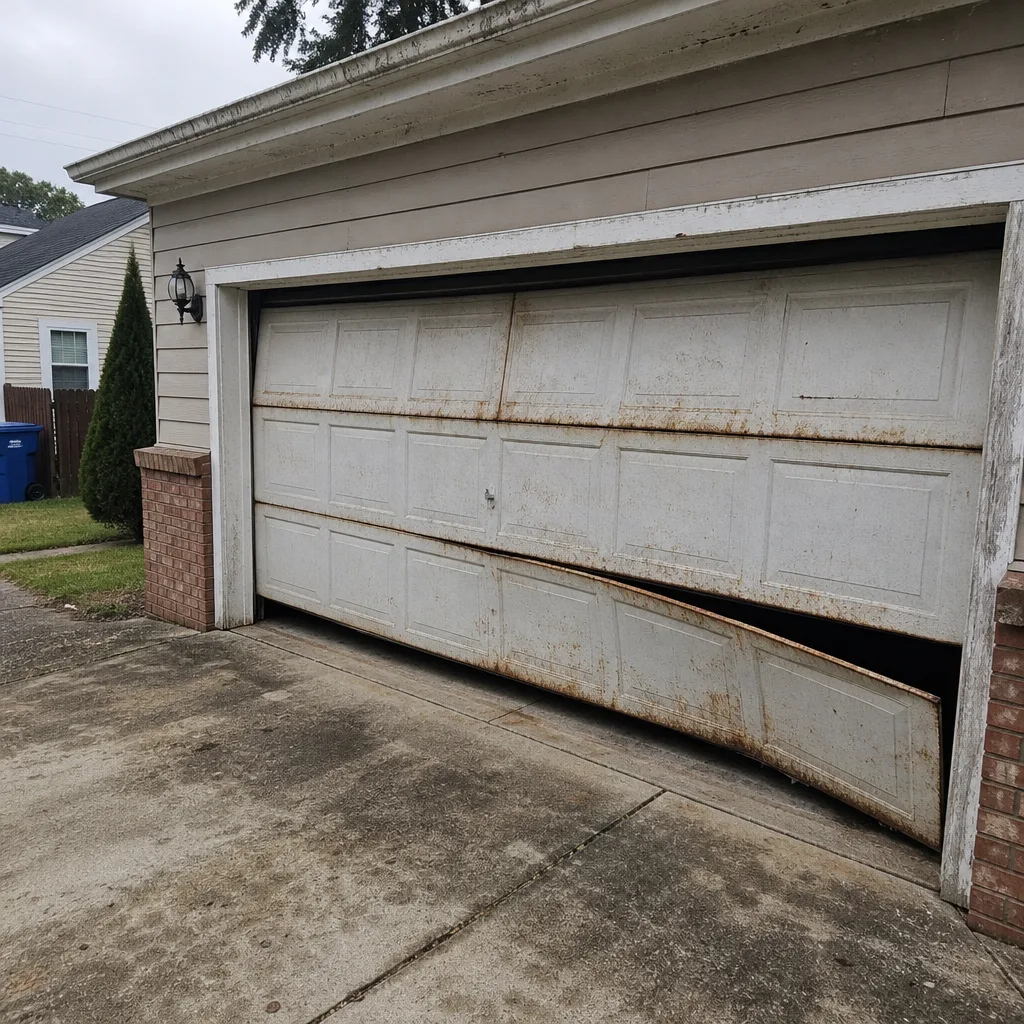 Before
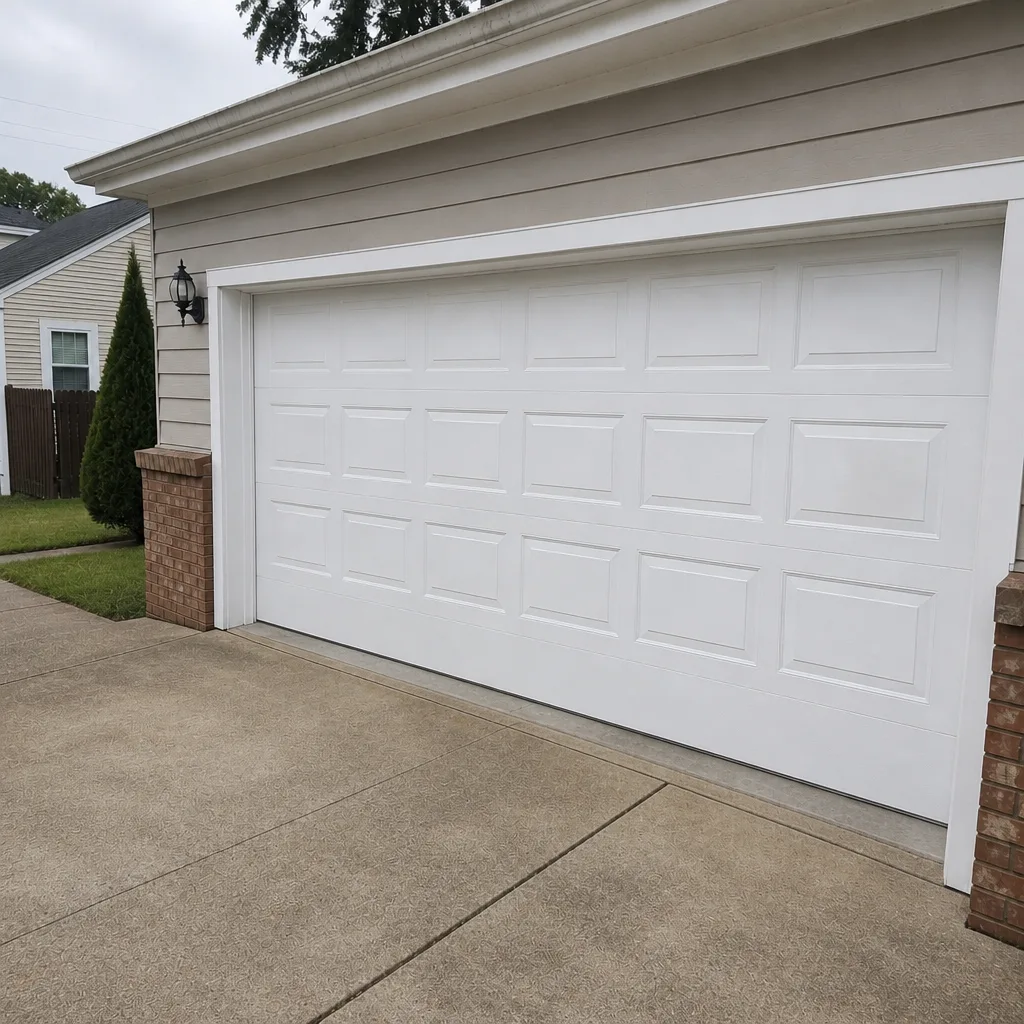 After
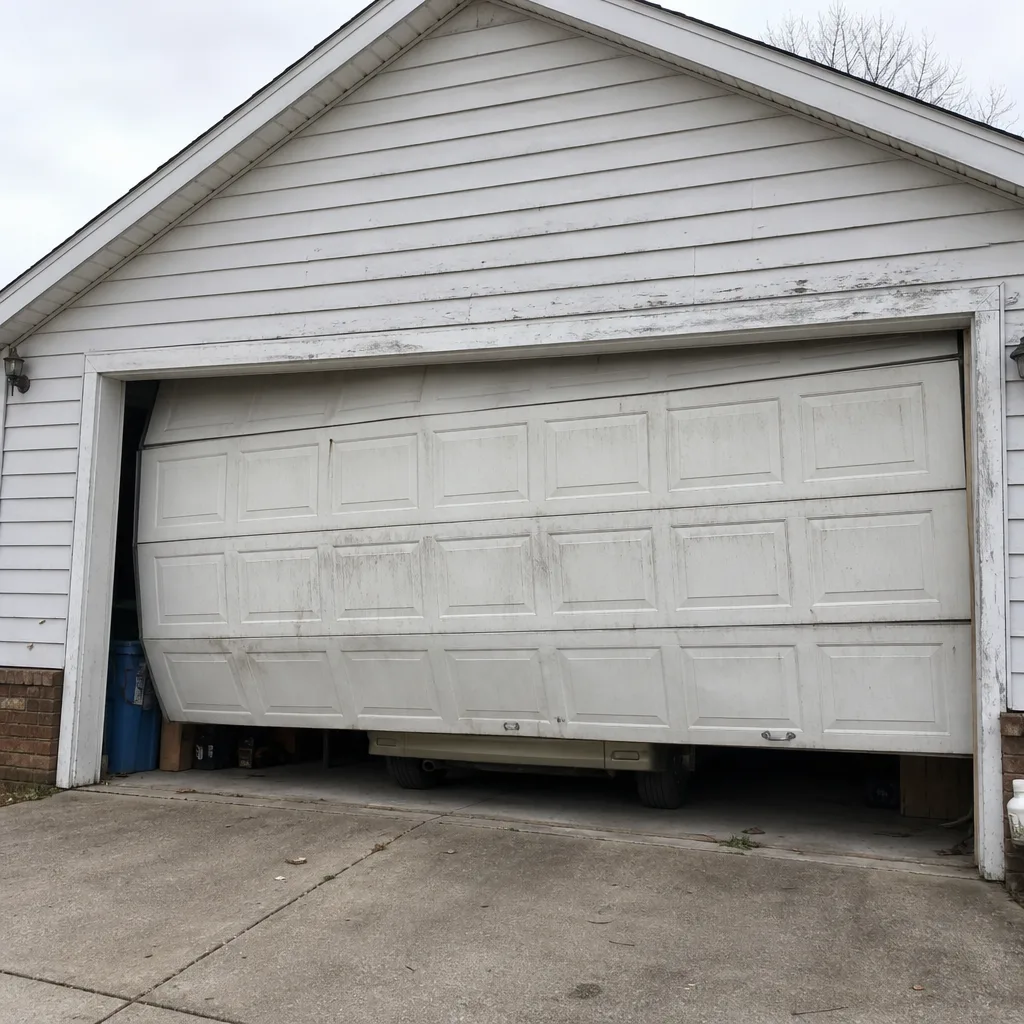 Before
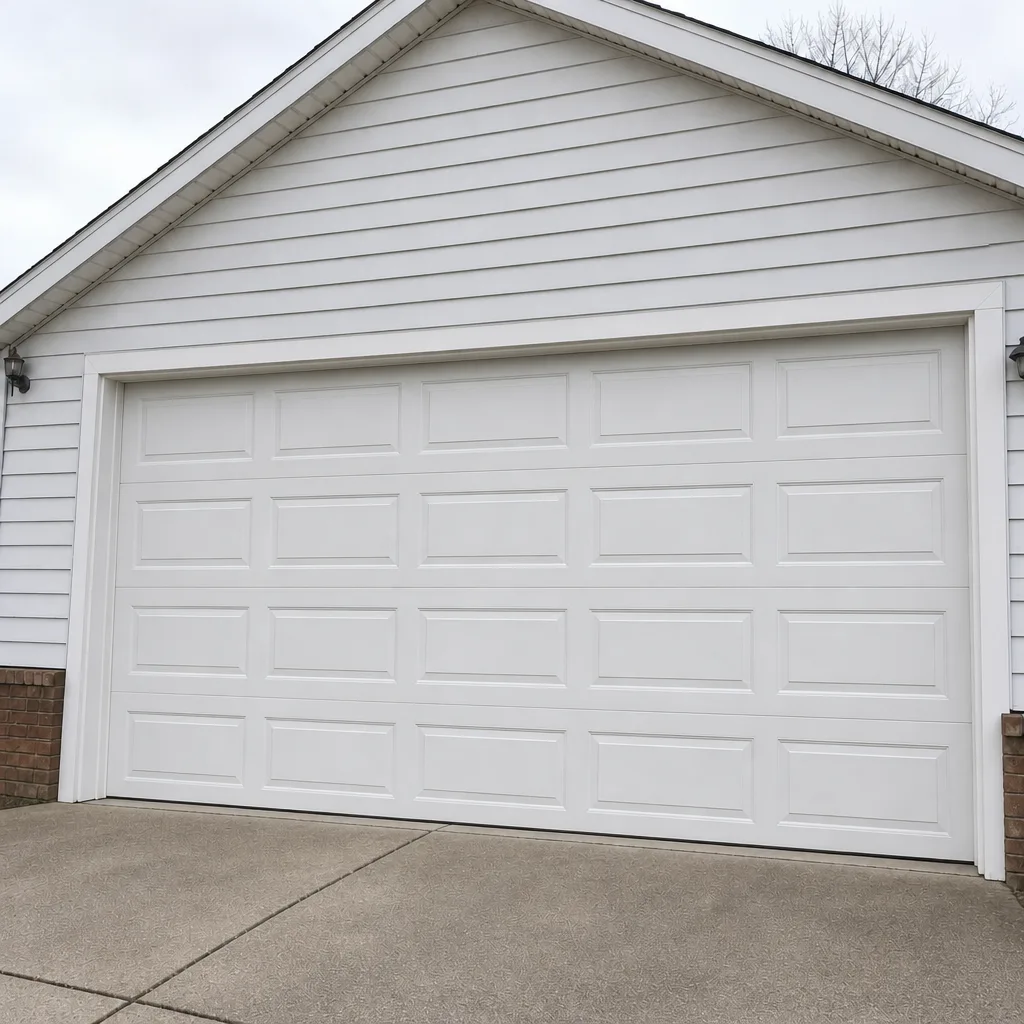 After
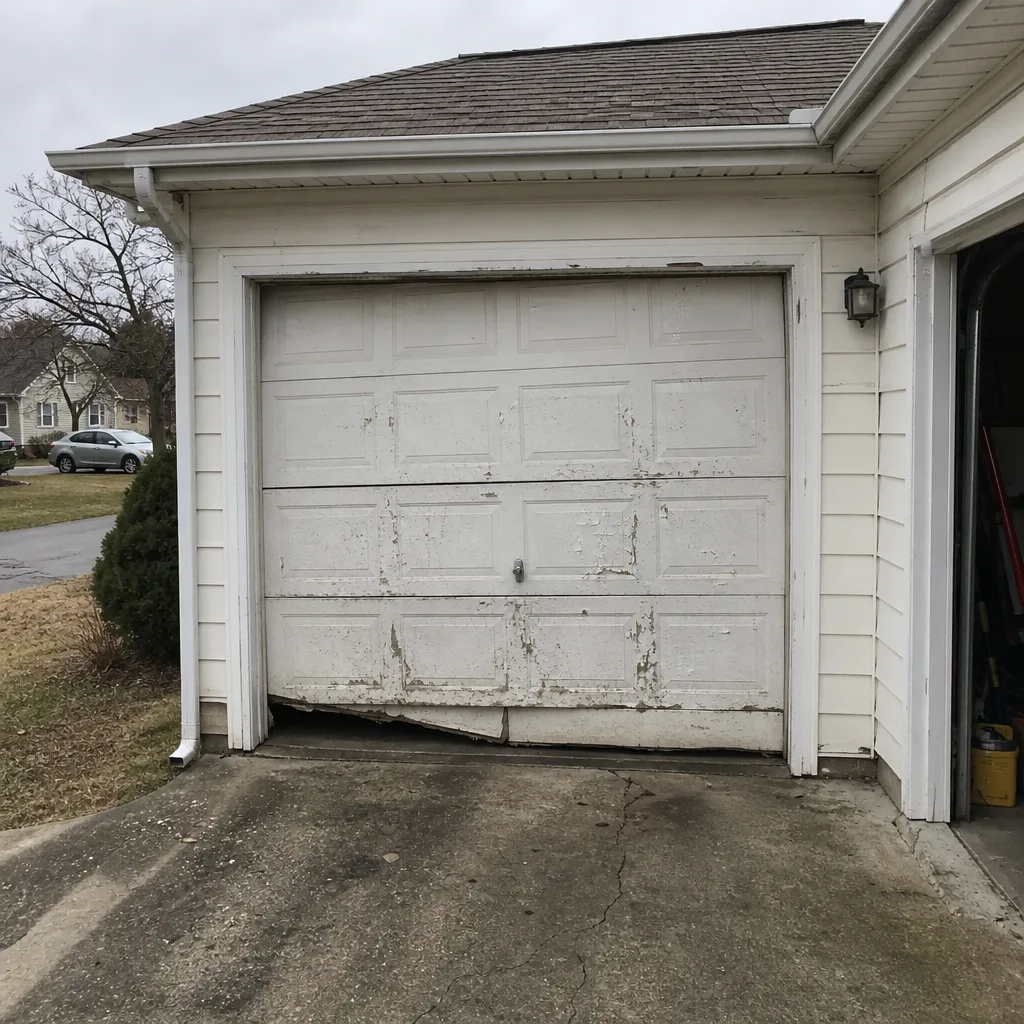 Before
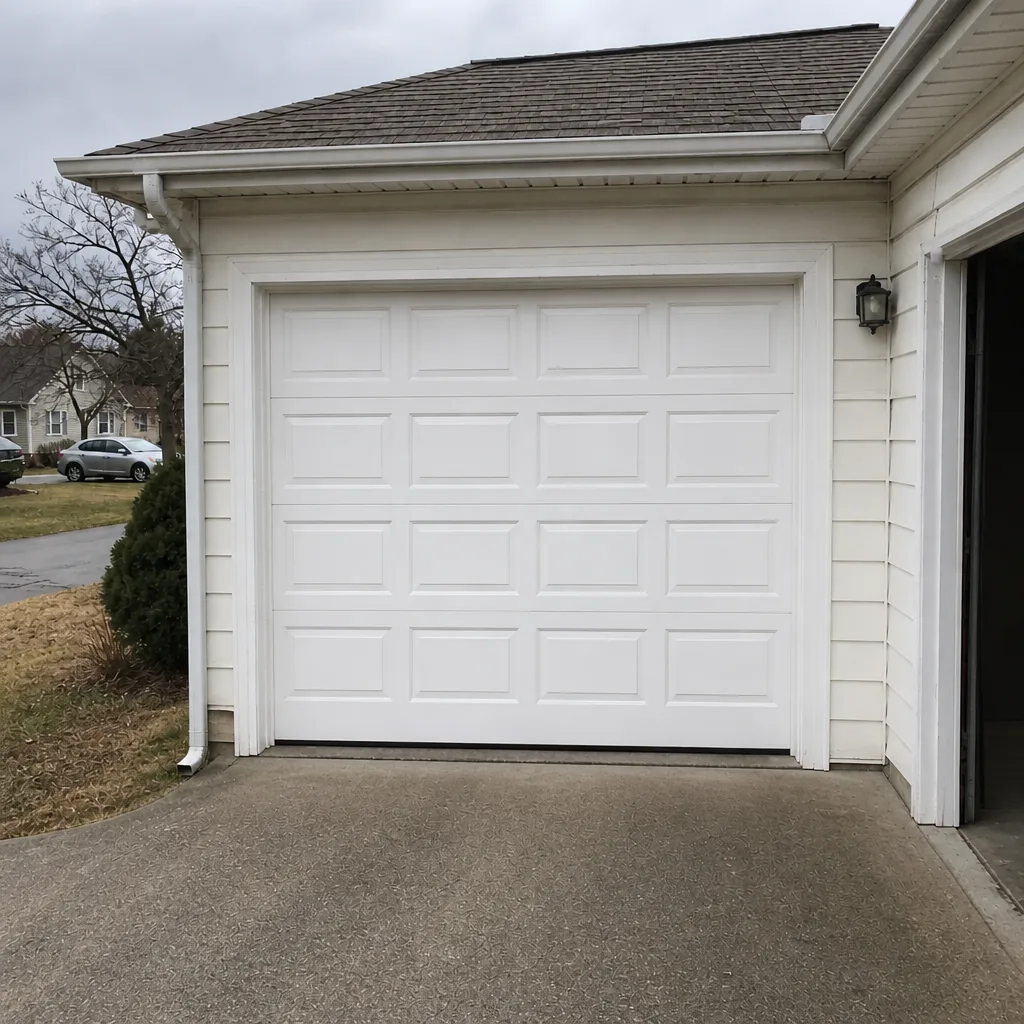 After
When to Call a Professional
Call a professional when a spring breaks, when a door comes off its track, or when the door won’t close and the house is left open. Call when a door binds, jerks, or reverses on its own – those symptoms usually point to a balance or hardware problem that gets worse with use. Call before buying a new door if you’re unsure whether coastal specs or a wind-load rating are required for your opening. And call for an annual inspection if you want the rust caught while it’s still surface-level. Garage Door Repair Oceanfront offers free estimates in Oceanfront – call (855) 337-0930. We answer 24/7. Fast dispatch, 7am-7pm.
Frequently Asked Questions
Galvanized or stainless hardware, nylon rollers, a coastal-rated finish, a wind-load rating that meets local code, and a well-sealed, insulated panel. Corrosion resistance and wind rating come first; insulation and style come second. The best door here is one whose hardware is built for salt exposure, because hardware fails before panels do.
An annual inspection is the standard recommendation for a coastal home, plus a visual check of springs, tracks, and hinges seasonally. Salt and humidity shorten component life, so catching rust early is worth more here than anywhere inland. Between inspections, rinse the door and hardware periodically and keep moving parts lubricated.
Oceanfront is in a hurricane zone, so your opening likely needs a wind-load rating that meets local code. Ask your city’s building department for the required rating for your home and get documentation from the manufacturer. A door that isn’t rated for local wind loads can fail under storm pressure.
Yes, if the panels are structurally sound. Replacing corroded hinges, rollers, and springs costs a fraction of a new door and can add years of service. It’s the highest-value upgrade for a coastal door that’s otherwise in good shape. A free estimate will tell you whether the panels justify the upgrade.
Spring replacement should always be done by a trained professional. Torsion and extension springs are under extreme tension and can cause serious injury if handled incorrectly. Our technicians have up to 10 years of experience with spring work – call (855) 337-0930 for a free estimate.
Not necessarily – often the door is the problem. Corroded rollers, a stiff track, or an out-of-balance door overloads the opener and looks like an opener failure. We work on the brand you already have and diagnose the actual cause before recommending a part. Call (855) 337-0930 to book a visit.
The Bottom Line
Garage door decisions in Oceanfront come down to buying for the environment. Spec galvanized or stainless hardware, nylon rollers, a coastal-rated finish, and a documented wind-load rating. Choose insulation for moisture control as much as temperature. Repair hardware before replacing panels, and replace the door when the panels themselves are gone. Rinse, lubricate, and inspect on a seasonal rhythm, and never touch a spring yourself. Whether you need a broken spring fixed today or a coastal-ready door installed next season, the same company handles the whole lifecycle – Garage Door Repair Oceanfront works on the brand you already have. Call (855) 337-0930 for a free estimate. We answer 24/7. Fast dispatch, 7am-7pm, Sunday through Friday.
Written by the team at Garage Door Repair Oceanfront.