
Last updated November 22, 2026
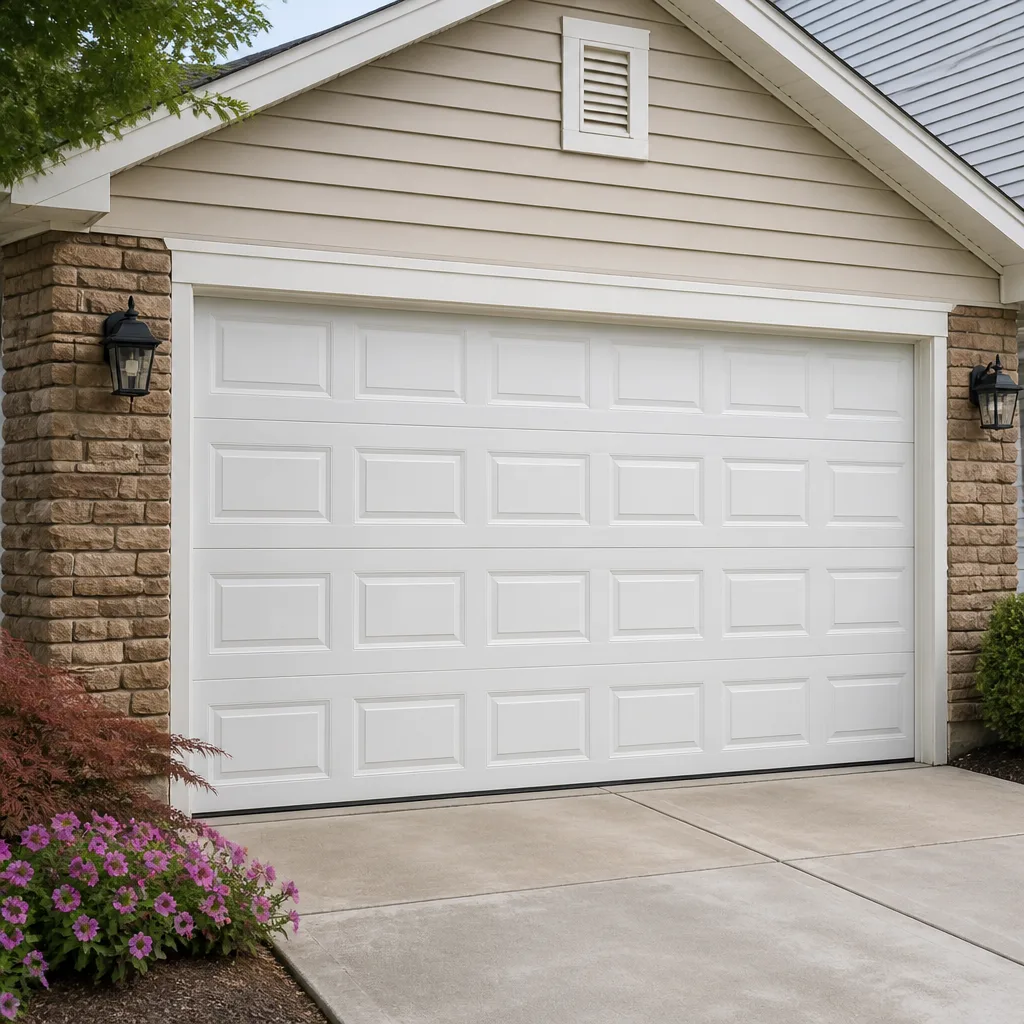 Raised-panel steel
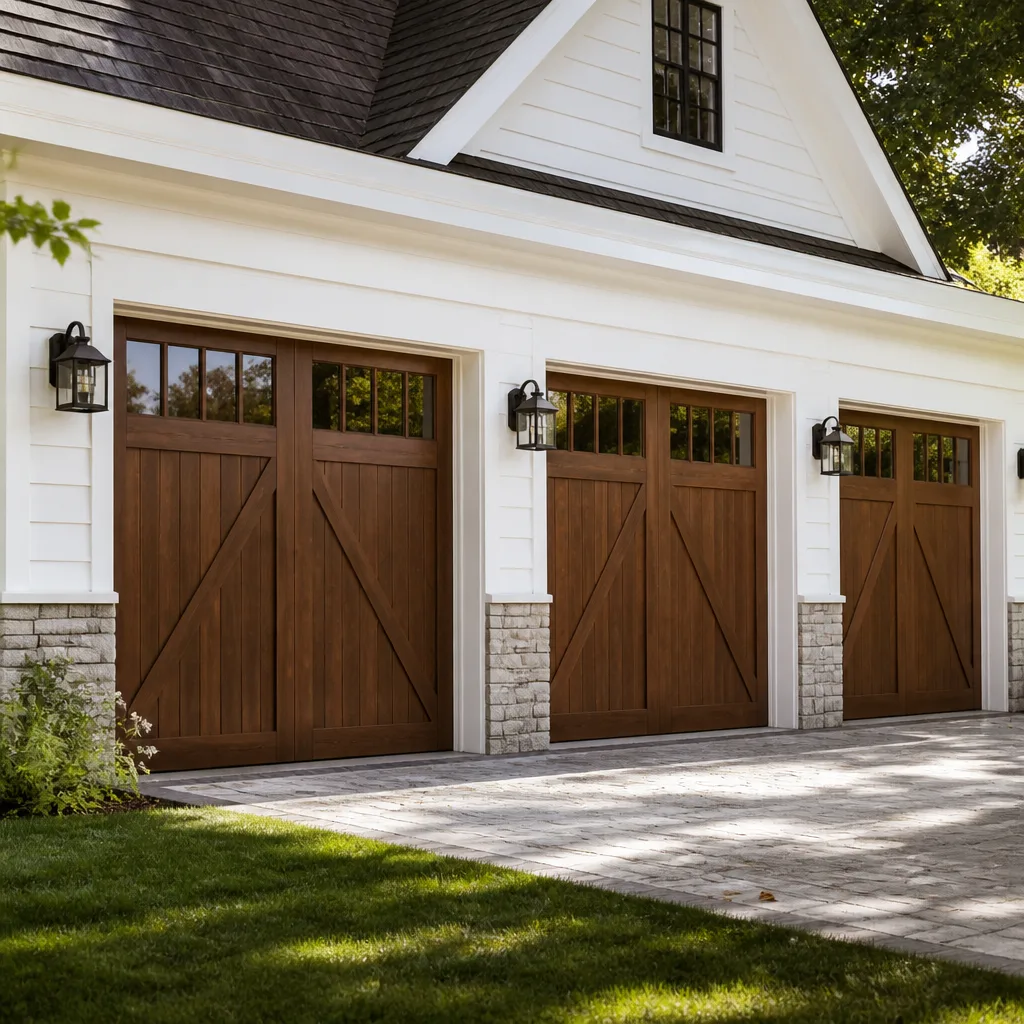 Carriage house
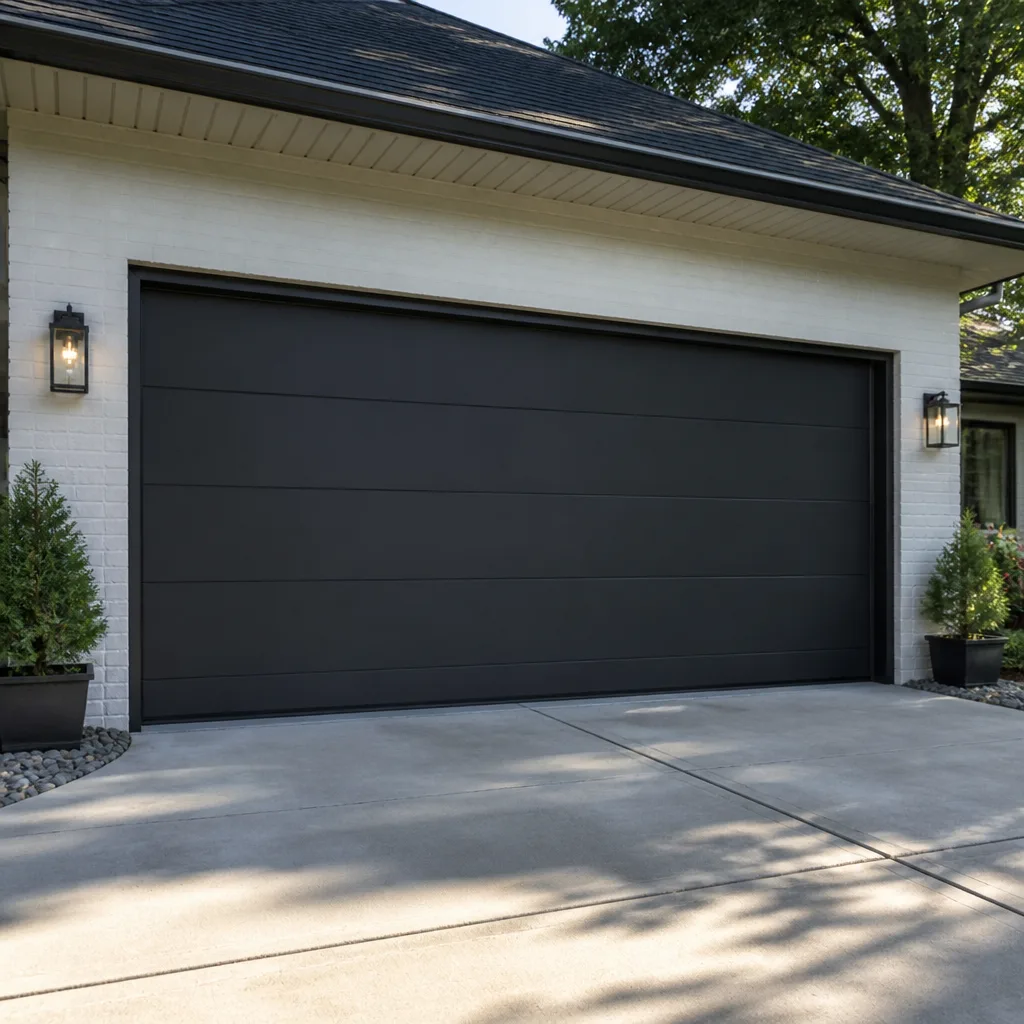 Modern flush
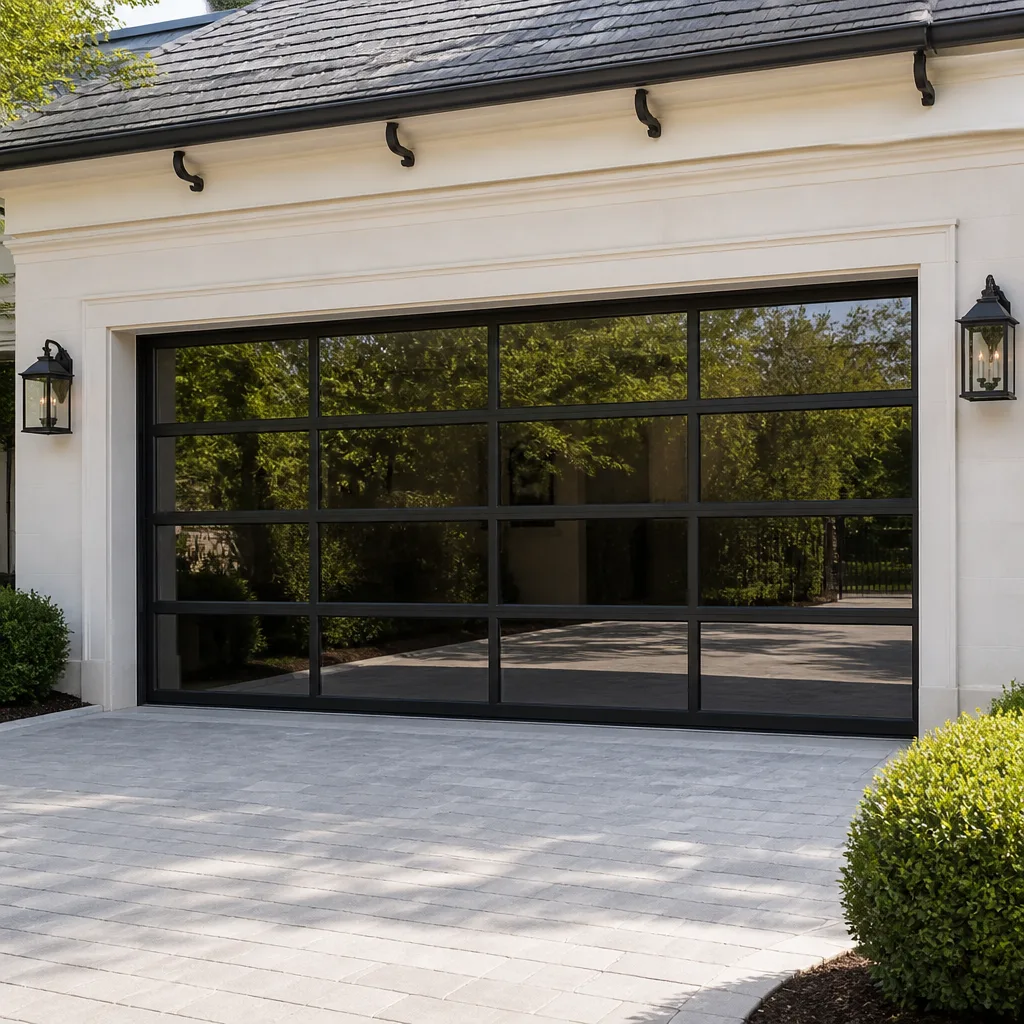 Full-view glass
 LiftMaster openers
 Chamberlain openers
Full 25-point door and opener safety check with every visit - springs, cables, rollers, tracks, and your LiftMaster or Chamberlain opener included
You get a price before we start. It does not change when the pro arrives.
Get your free estimateGarage Door Permits, Codes & Inspections in Oceanfront, VA: What You Need to Know
Most homeowners assume a garage door replacement is simple: a truck pulls up, the old door comes down, the new one goes up, done. But here in Oceanfront, VA, a garage door is a regulated part of your house. Wind load matters, permits can be required, and inspections exist for a reason. Skipping those steps doesn’t just create paperwork headaches down the road – it can complicate a home sale and raise questions with your insurer if something goes wrong later. In this guide, we’ll walk you through when a permit is actually required in Oceanfront, how Virginia’s wind load rules shape which door you can buy, how to confirm your contractor is pulling permits, what an inspection checks, and how HOA rules layer on top of city code. We’ll keep it plain and practical, because that’s how this work should be explained.
Quick Answer
In Oceanfront, VA, a full garage door replacement generally requires a building permit, while a simple repair or opener swap usually doesn’t. Virginia’s wind load requirements mean your new door and its hardware must be rated for the load at your address, which is why door selection is a code matter, not just a style choice. Whether your specific job needs a permit depends on the scope of work and your city’s building department, so confirm it before the work begins. Call (855) 337-0930 for a free estimate. We answer 24/7. Fast dispatch from 7am to 7pm, Sunday through Friday.
Styles & brands we work with
- Raised-panel steel
- Carriage house
- Modern flush
- Full-view glass
- LiftMaster openers
- Chamberlain openers
Table of Contents
- When Does a Garage Door Replacement Trigger a Permit in Oceanfront?
- Wind Load Requirements in Virginia’s Coastal Construction Zone
- How to Verify Your Contractor Is Pulling Permits
- What a Garage Door Inspection Actually Checks
- HOA Overlay Rules on Top of City Code
- Repair vs. Replacement: Which Path Keeps You Compliant?
- What the Permit and Inspection Process Looks Like, Step by Step
- Common Mistakes to Avoid
When Does a Garage Door Replacement Trigger a Permit in Oceanfront?
The short answer is that replacing a complete garage door assembly usually requires a permit through the city’s building department, while repairs to existing components typically do not. The line between the two is where most confusion starts. Homeowners often think the rule is about cost or about whether they hire someone. It isn’t. It’s about scope.
Here’s how we think about it in Oceanfront terms:
- Full door replacement: Usually requires a permit. A new door assembly changes the wind load rating of the opening, and that has to be checked against code.
- Replacing the door and the tracks or hardware: Usually requires a permit. The fastening and anchoring system is part of the load path.
- Torsion or extension spring repair: Typically no permit. This is a repair to an existing assembly, not a change to the opening.
- Opener replacement or opener repair: Typically no permit. The opener isn’t part of the wind load path.
- Panel replacement on a same-specification door: Usually no permit, but confirm with the building department – a panel that doesn’t match the original rating can raise questions.
Oceanfront sits in a wind zone where the load path matters more than in many inland parts of Virginia, which is why the door itself is treated as structural in some cases. If you’re replacing a door, the permit application usually requires the door’s product data, its wind load rating, and the anchoring specifications from the manufacturer. That’s not something a homeowner should guess at, and it’s not something that should be skipped.
When we quote a garage door installation in Oceanfront, we ask the building department about the permit requirement for that specific address before we schedule the install. In our experience, that one call saves homeowners weeks of confusion later. If you’re weighing a repair instead, our garage door repair page explains what falls outside permit territory.
Wind Load Requirements in Virginia’s Coastal Construction Zone
Wind load is the single biggest reason garage doors in Oceanfront get more scrutiny than homeowners expect. Virginia’s coastal construction requirements take wind seriously, and garage doors are the largest opening in your home’s envelope. A door that’s rated for the wind pressure at your address is the difference between a code-compliant install and one that fails inspection – or worse, performs poorly during a storm.
What wind load actually means for you:
- The rating is on the door’s label and in its product data. Your chosen door must carry a design pressure rating at or above what your address requires.
- Reinforcement matters as much as the door. A door rated for a given pressure at a given width doesn’t perform the same way when the width, height, or glazing changes. Manufacturers publish tables that account for this.
- The anchoring system must match. Hinges, brackets, and jamb fasteners are specified by the manufacturer for the wind rating. A crew that uses whatever hardware is on hand may be installing something that doesn’t hold.
- Wind rating is a code issue, not a sales issue. That’s why we ask about the wind rating on any door we quote in Oceanfront, even when the homeowner only asked about style.
This is also why brand familiarity matters here. When we quote a Clopay, Amarr, or Wayne Dalton door, we pull the manufacturer’s wind load data for the exact configuration and address. Those numbers aren’t hand-wave-able. A door rated for a lower pressure than required by the code check at your address isn’t a cheaper door – it’s the wrong door. That’s not a sales point. It’s the permit application.
If you’re upgrading an older door and the original was installed before the current requirements, expect that the new door will need to meet current wind load standards, not the ones in place when the house was built. We see this in Oceanfront often: an older door meets the code of its era, but its replacement must meet today’s. That can change which door models are eligible for your home.
How to Verify Your Contractor Is Pulling Permits
The most reliable way to confirm your contractor is pulling permits is to look for the permit itself – the approved copy and the inspection record – rather than take someone’s word for it. In our experience, a permit is either filed or it isn’t, and the building department can tell you which. It’s also the fastest way to find out whether someone is planning to skip the process.
A few concrete steps:
- Ask for the permit number before work begins. A licensed contractor should be able to provide it or tell you when the application is being filed.
- Check with the city’s building department directly. Look up the permit under your address. If nothing comes up, no permit was pulled – regardless of what you were told.
- Confirm the permit is in the licensed contractor’s name. Permits pulled under a homeowner’s name can leave you responsible for problems later.
- Ask who is meeting the inspector. A crew that expects you to handle the inspection is a warning sign.
- Ask for the approved inspection record after the work. A passed inspection should be documented in the permit file.
We’ve seen homeowners skip this check because the contractor was cheaper and seemed qualified. It’s the one shortcut that can cost the most later. A buyer’s inspector during a home sale can flag a garage door that has no permit on file, and the closing can get complicated until the permit issue is resolved. We’d rather field a five-minute phone call about permit status than see a homeowner three weeks into a stalled sale.
If you’re evaluating our team against another, ask us the same questions. When we quote a garage door opener repair or a full install in Oceanfront, we’ll tell you directly whether we’re pulling a permit and what it requires. If a job doesn’t need one, we’ll say that too – we prefer the right scope over the more expensive one.
What a Garage Door Inspection Actually Checks
A garage door inspection during a permitted replacement verifies that the installed door, its components, and its hardware match the approved permit drawings and the manufacturer’s specifications. It’s not a general safety review or a mechanical tune-up. It’s a check against what was approved. That distinction matters because it shapes how you prepare.
What the inspector is typically verifying:
- Door identification. The door on the home should match the model and configuration listed on the permit.
- Wind load rating. The rating on the installed door must meet or exceed the requirement for the address.
- Anchoring and hardware. Fasteners, brackets, and jamb attachments should match the manufacturer’s specifications for the rated configuration.
- Warning labels. Required safety labels should be present on the door and opener.
- Safety features on the opener. The photo-eye safety system and other required features should be functioning.
- Track and alignment. The door should travel smoothly and sit properly in the opening, which affects how well it resists wind pressure.
How to prepare:
- Clear the garage floor. The inspector needs room to see the door travel and check the anchoring.
- Make sure the door is operable. The inspector will want to see it open and close.
- Have the paperwork ready. Manufacturer product data, permit paperwork, and any door documentation should be on hand.
- Don’t modify anything on inspection day. Adjustments made in a hurry can introduce problems the inspector will catch.
In our experience, most inspection failures come down to the door not matching the submitted product data, or hardware being installed differently than the manufacturer specifies. Both are avoidable with a careful installer. That’s part of why we ask about the door’s specifications when we’re on site for a garage door opener repair and see hardware that looks off.
HOA Overlay Rules on Top of City Code
In Oceanfront, city code is the floor, not the ceiling. Many communities here have HOA rules that restrict door style, color, panel design, window configuration, and sometimes the brand or model family allowed on street-facing units. Meeting city code doesn’t automatically satisfy your HOA, and meeting your HOA’s rules doesn’t satisfy the building department. Both apply.
What HOA rules commonly cover in Oceanfront:
- Door style and color. Certain communities require a specific panel style or a palette of colors.
- Window presence. Some HOAs require or prohibit glazing on the street-facing door.
- Material. Steel vs. composite vs. wood-look doors may be restricted by the community’s architectural guidelines.
- Visible hardware. Hinges, handles, and decorative hardware may be regulated.
- Documentation. Some HOAs require an architectural request submission before installation starts, with photos or product data.
The practical way to handle this is to ask both the building department and your HOA the same questions before choosing a door. If your HOA requires a specific style and the style you wanted doesn’t meet the wind load rating, you have a real conflict, and it’s better to know that before the door is ordered. When we’re measuring a door for a LiftMaster or Chamberlain opener setup, we’ll also ask about HOA style requirements. It’s one of the few things a door can’t fix after the fact.
Repair vs. Replacement: Which Path Keeps You Compliant?
When a door starts acting up, you have two broad paths. Repair keeps the existing assembly in place and addresses a specific failure – usually springs, cables, or the opener. Replacement installs a new door, which brings permit requirements, wind load verification, and inspection into the picture. The right choice depends on the condition of the door, not on what’s easiest.
A quick comparison:
- Repair is usually the right call when the door structure is sound, the wind load rating still meets current code, and the failure is mechanical – a broken torsion spring, a snapped cable, an opener that won’t drive the door.
- Replacement is usually the right call when the door has failed repeatedly, the panels are compromised, or the existing door doesn’t meet current wind load requirements. This is also a common trigger for permit conversations, since a replacement that changes the rating requires documentation.
Torsion spring work is a good example of where repair makes sense, and where it really doesn’t. A broken spring on a fully compliant door is a repair job. It’s also the most dangerous repair in the trade – torsion springs and the cables that hold them are under high tension, and a DIY attempt can cause serious injury. That’s work for a trained professional, every time, without exception. Our garage door repair team handles spring work as a regular part of the job, and we’d rather explain that clearly than let a homeowner try it.
When we quote a repair in Oceanfront, we always tell the homeowner what we see on the existing door: its rating, its age, and whether a repair keeps the door compliant. If a repair would leave you with a door that doesn’t meet current standards, we say so. That’s the right fix, not the easiest upsell.
What the Permit and Inspection Process Looks Like, Step by Step
A permitted garage door replacement in Oceanfront follows a predictable sequence. Knowing the order helps you plan and keeps the job from stalling at the inspection stage.
- Confirm the requirement. Check with the city’s building department on whether your specific job requires a permit. If it does, ask what documentation they want.
- Choose the door and confirm the wind load rating. The door and its anchoring must meet the requirement for your address. The manufacturer’s product data is part of the permit application.
- File the permit application. The licensed contractor typically files it, providing the door data, installation specifications, and site details.
- Wait for permit approval. The city reviews the application, and the timing depends on their queue. We don’t schedule the install until the permit is approved.
- Schedule the install. Once approved, the door is measured, ordered, and installed to the specifications on the permit.
- Call for the inspection. After installation, the inspector reviews the install against the approved drawings, checking the door, its rating, and its anchoring.
- File the approved record. Keep the approved inspection record and permit paperwork. That documentation is what a future buyer, insurer, or inspector will want to see.
The step most homeowners underestimate is number four. Permit review takes time, and a crew that promises a next-day install on a permitted replacement is either skipping the permit or has already filed it before you signed. When we quote a garage door installation in Oceanfront, we explain the timeline before you commit, including the permit wait. Installation work is measured, ordered, and scheduled – that’s the nature of it.
Common Mistakes to Avoid
- Assuming a garage door replacement never needs a permit. It often does. A replacement changes the wind load rating and the anchoring system, which brings it into permit territory. Confirm before work starts.
- Trusting a contractor who says “we handle the permit” without proof. Ask for the permit number and check it with the building department. A verbal promise that a permit is filed is not a permit.
- Buying a door on looks alone. In Oceanfront, the wind load rating comes first. A pretty door with the wrong rating won’t pass inspection, and it won’t anchor correctly either.
- Skipping the HOA check. Meeting city code doesn’t satisfy your HOA. Submitting the architectural request after the door is installed is a slow way to fix a problem that was easy to avoid.
- Not keeping the paperwork. The approved permit and inspection record are the documents that matter if you sell the home. Without them, a buyer’s inspector has nothing to confirm.
- Trying to service a torsion spring yourself. Torsion springs and cables are under high tension. A DIY attempt can cause serious injury. This is work for a trained professional, full stop.
- Choosing the cheapest quote without checking the permit record. The lowest price often reflects skipped steps. Verify the permit before you sign, not after the install.
See the difference
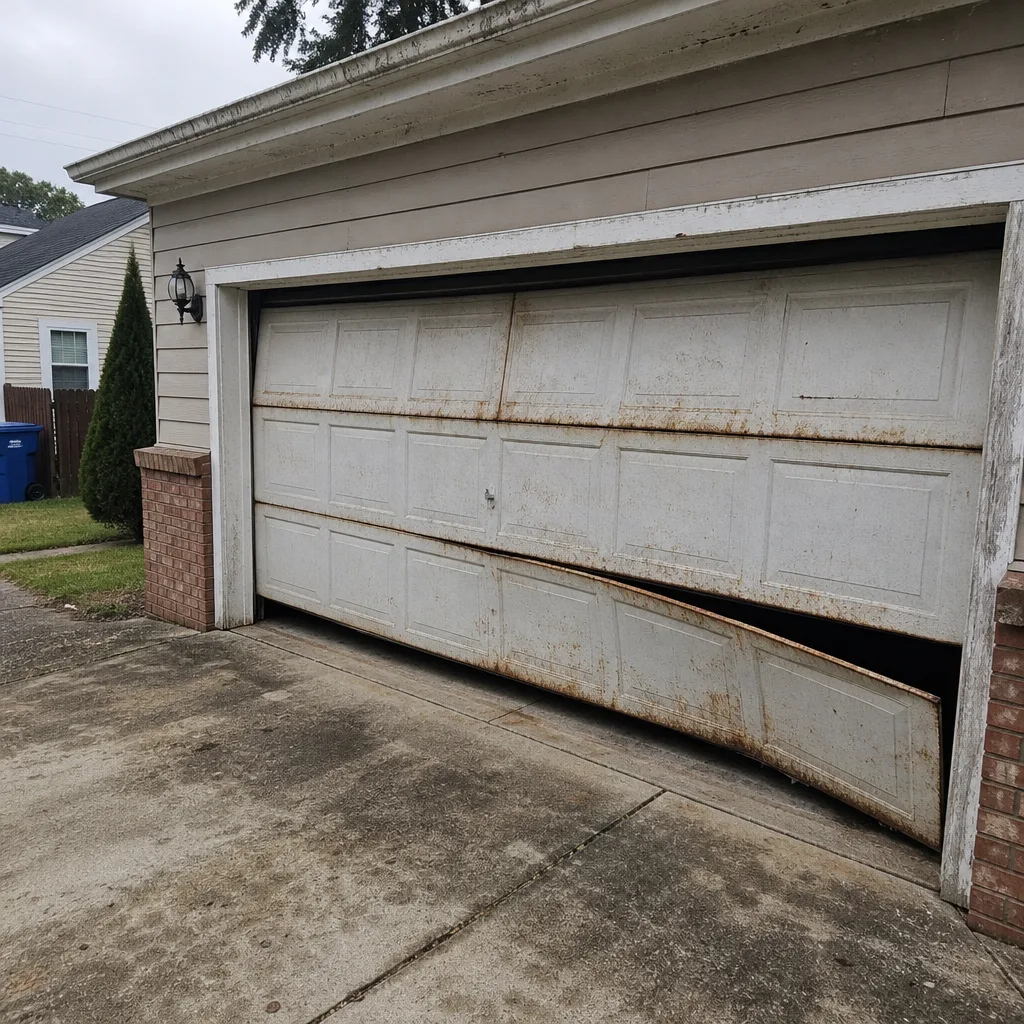 Before
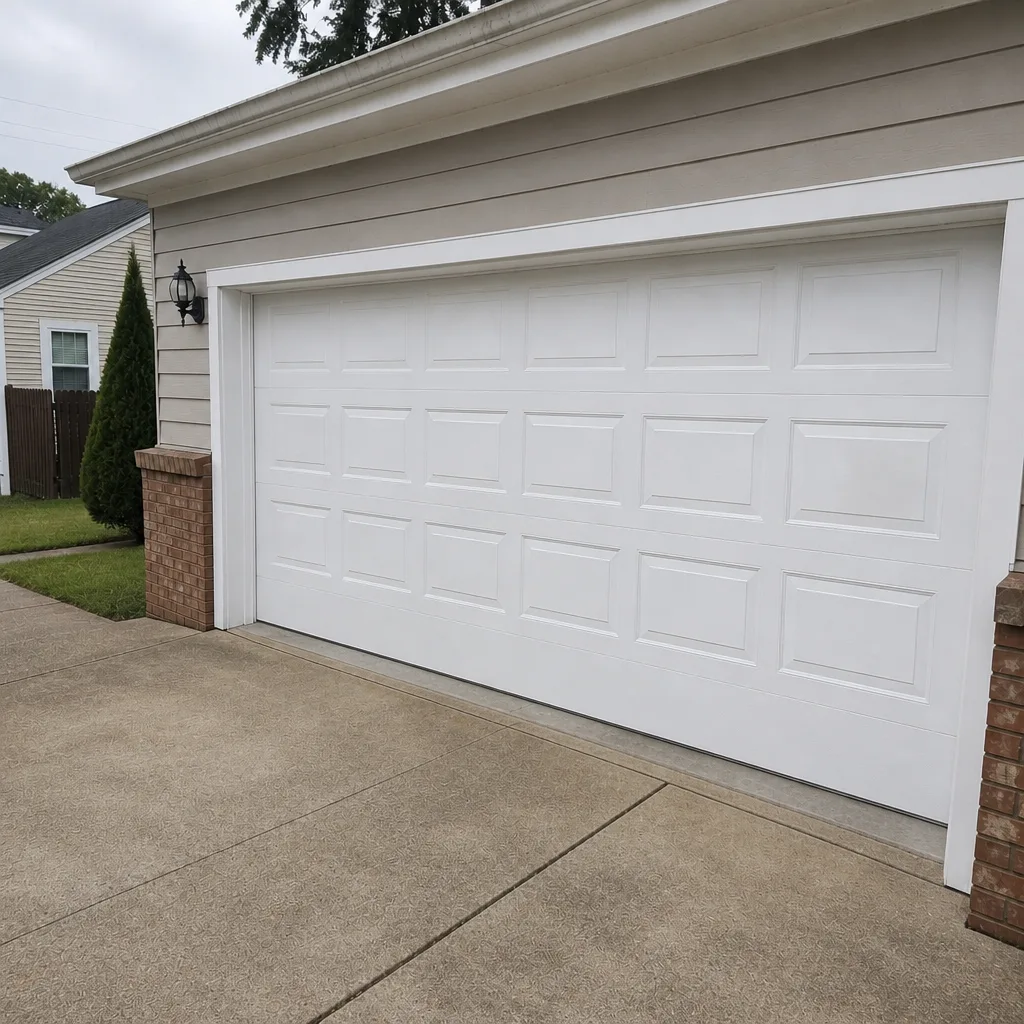 After
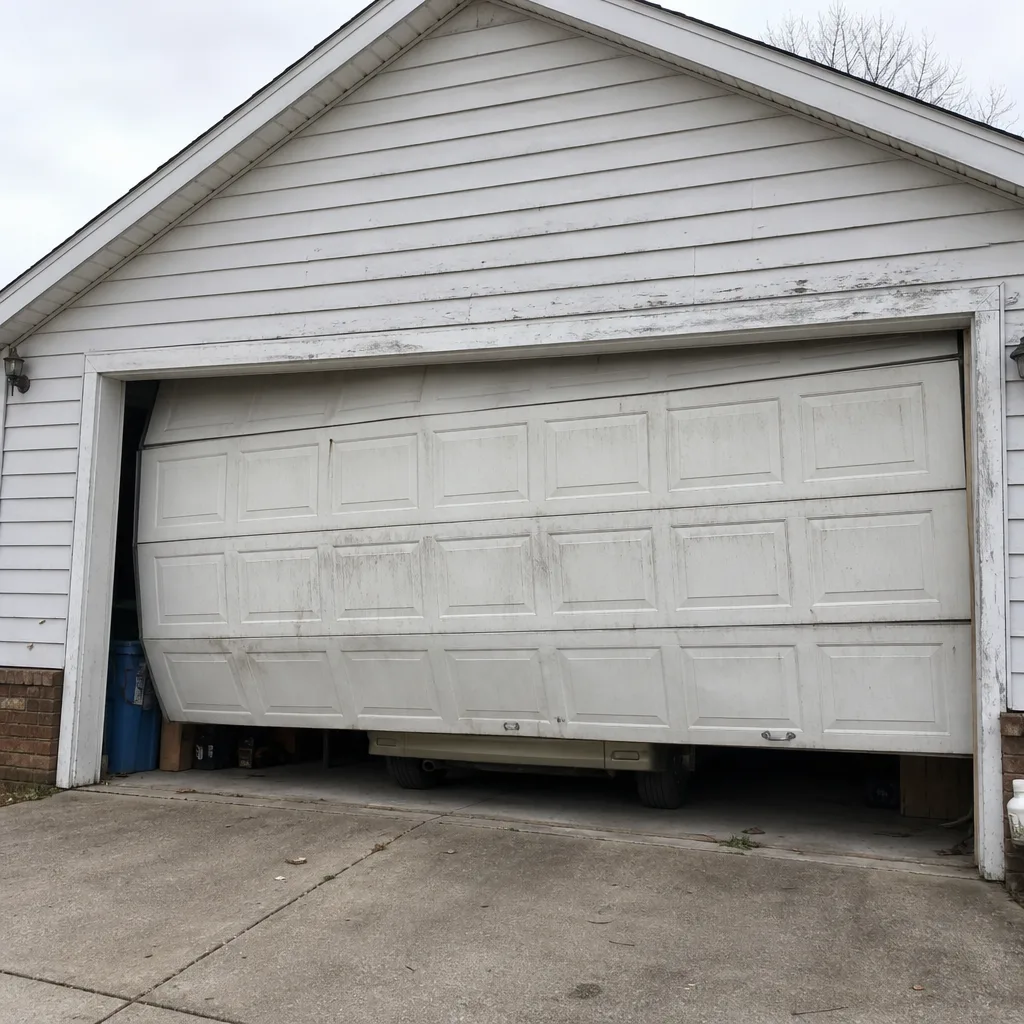 Before
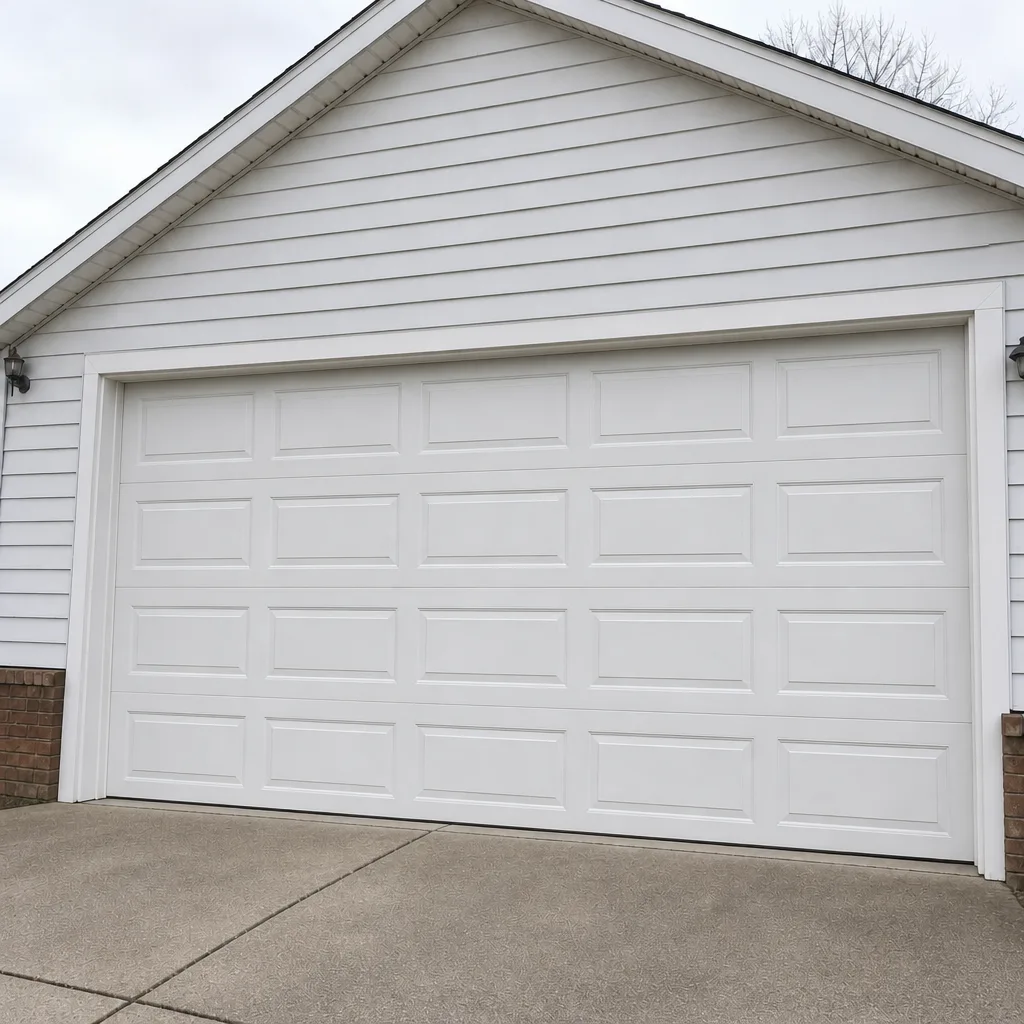 After
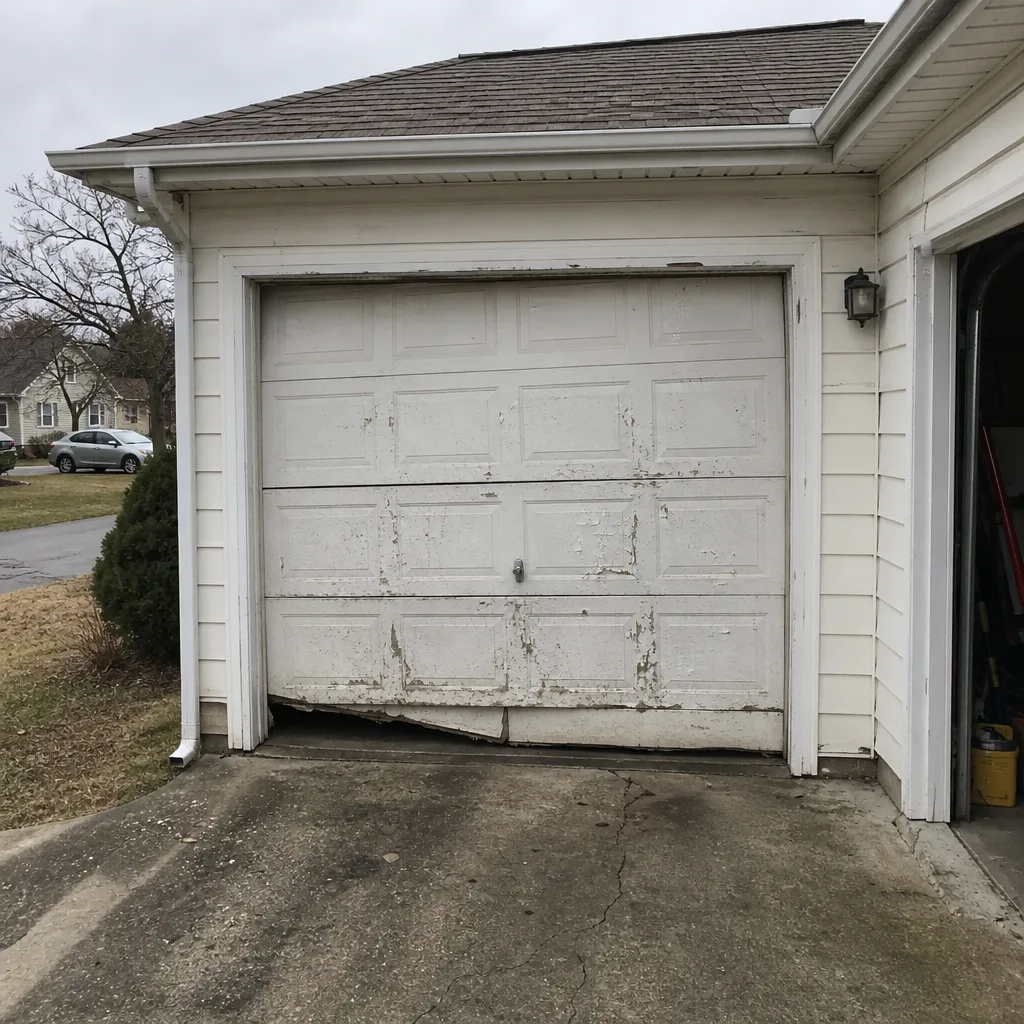 Before
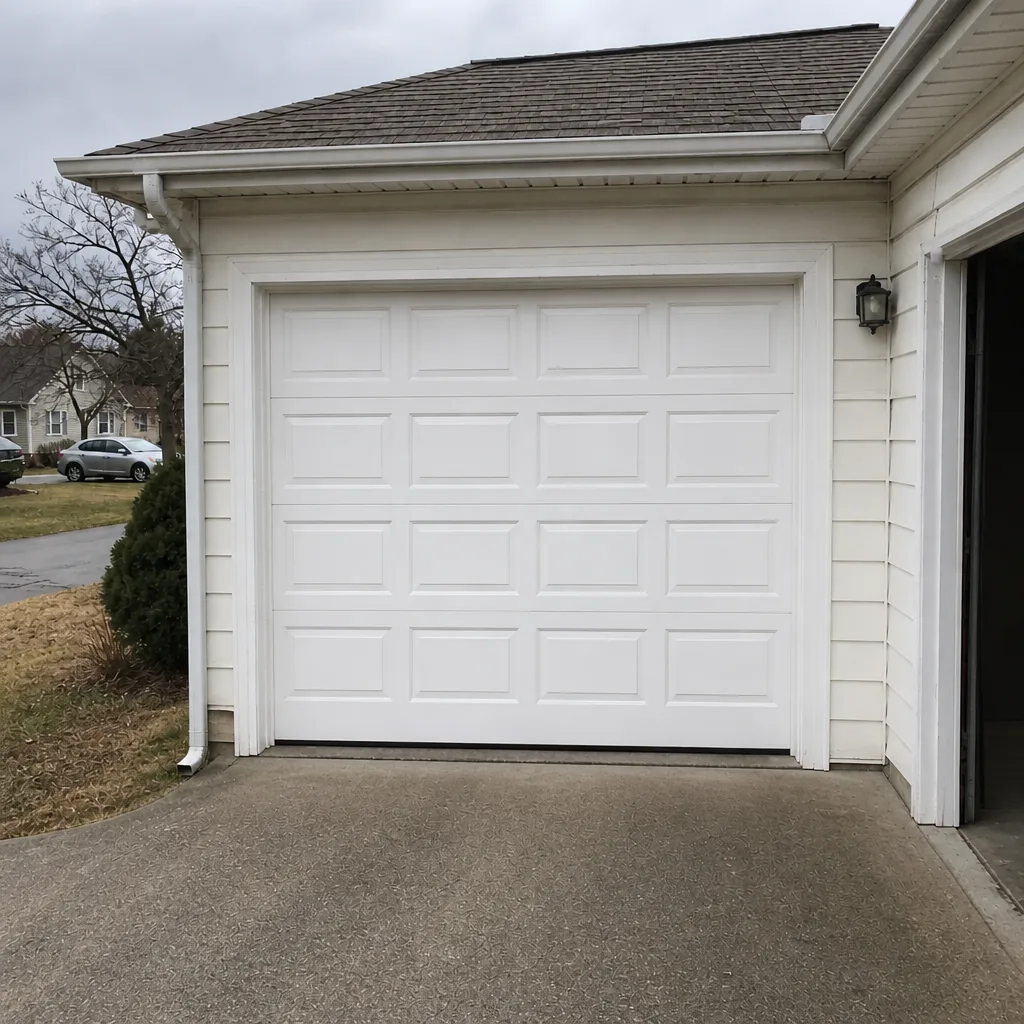 After
When to Call a Professional
Some garage door problems are obvious – a broken spring, a door that won’t close, an opener that won’t drive the door. Others are quieter: a door that’s a few inches off its track, a slow opener motor, an aging assembly that’s becoming hard to operate. If your door is in a permitted replacement situation, you need a contractor who will handle the permit and the inspection correctly – and who’s honest about whether the job actually needs one. If the issue is mechanical, you need a technician who knows the trade. Our technicians have up to 10 years of experience across the brands you’re likely to have on your home. Garage Door Repair Oceanfront offers free estimates in Oceanfront – call (855) 337-0930. We answer 24/7. Fast dispatch from 7am to 7pm, Sunday through Friday.
Frequently Asked Questions
In most cases, yes – a full garage door replacement typically requires a building permit in Oceanfront, while a repair to existing components usually doesn’t. Because the rule depends on scope and the door’s wind load rating, confirm with the city’s building department before work begins. Call (855) 337-0930 for a free estimate, and we’ll walk you through what your job needs.
The permit is on record with the city’s building department under your address, so you can check it directly. Ask your contractor for the permit number before work starts, then verify it with the department. If nothing comes up under your address, no permit was pulled. Call (855) 337-0930 if you want to know what a properly permitted install looks like.
A garage door inspection checks that the installed door matches the approved permit drawings – its model, its wind load rating, and its anchoring and hardware specifications. It’s not a general safety tune-up; it’s a verification against the permit. Keep the approved inspection record after the work is done. Call (855) 337-0930 for details on how we handle the process.
Sometimes, but only if the replacement panels match the original door’s rating and configuration. If the panel changes the door’s wind load characteristics, permit territory may apply. Confirm the rule with the building department for your specific address. Call (855) 337-0930 and we’ll help you sort out what your panel situation requires.
Often, yes. Many Oceanfront HOAs regulate door style, color, window configuration, material, and visible hardware, and some require an architectural request submission before installation. Meeting city code doesn’t satisfy your HOA, and vice versa. Call (855) 337-0930 to talk through what we’ve seen in neighborhoods across the area.
No – the written estimate is the price, and we quote it before any work starts. We measure, check the existing door, and confirm what your job requires before we give you a number. Any permit or code requirement that affects the job gets explained up front, not added afterward. Call (855) 337-0930 for a free estimate.
The Bottom Line
Garage door work in Oceanfront is more regulated than most homeowners expect. A full replacement usually needs a permit, the door must meet Virginia’s wind load requirements for your address, and an inspection confirms the install matches what was approved. Repairs typically don’t need a permit, but they do need a technician who won’t take chances with torsion springs. Check the permit, verify the wind rating, submit the HOA paperwork before the door is ordered, and keep the inspection record. Those four steps are the whole game. Call (855) 337-0930 for a free estimate. We answer 24/7. Fast dispatch from 7am to 7pm, Sunday through Friday. Our technicians have up to 10 years of experience working across the brands you already have on your home.
Written by the team at Garage Door Repair Oceanfront.