
Last updated November 22, 2026
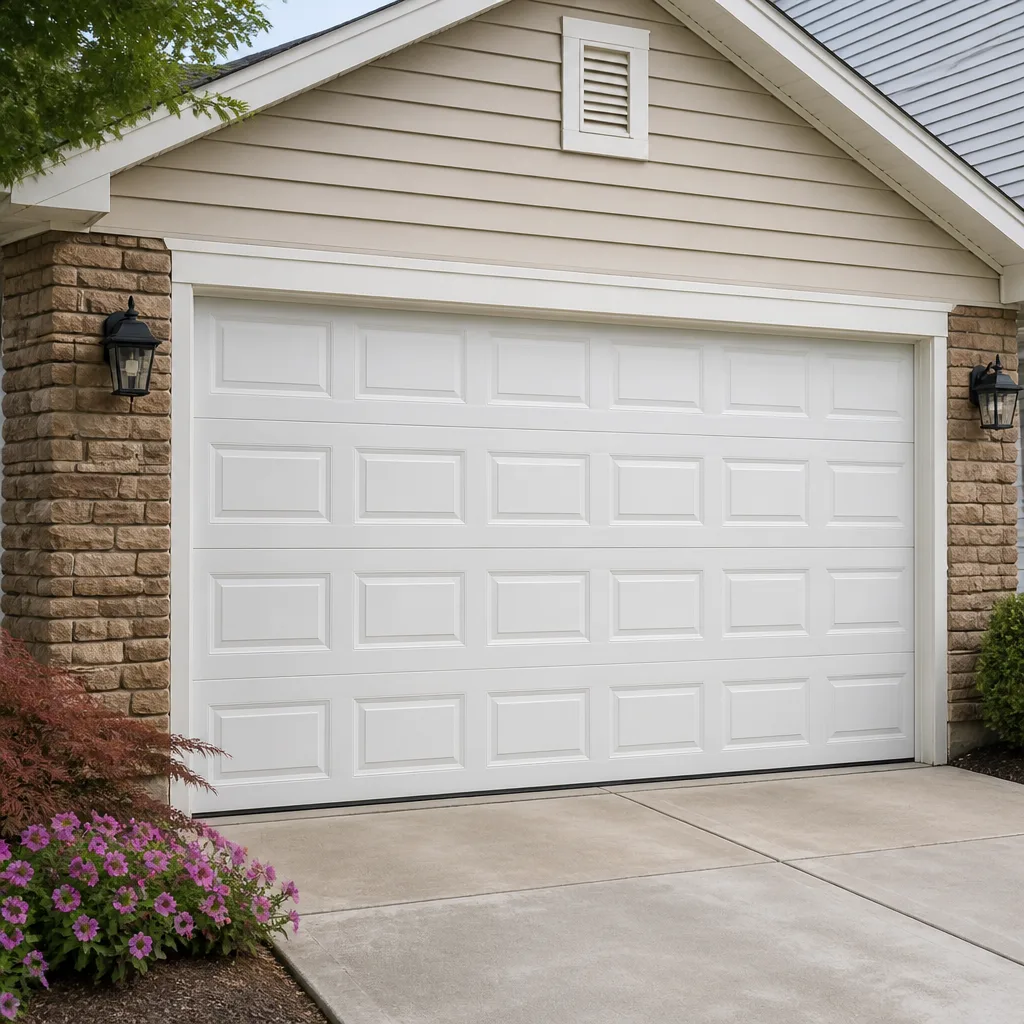 Raised-panel steel
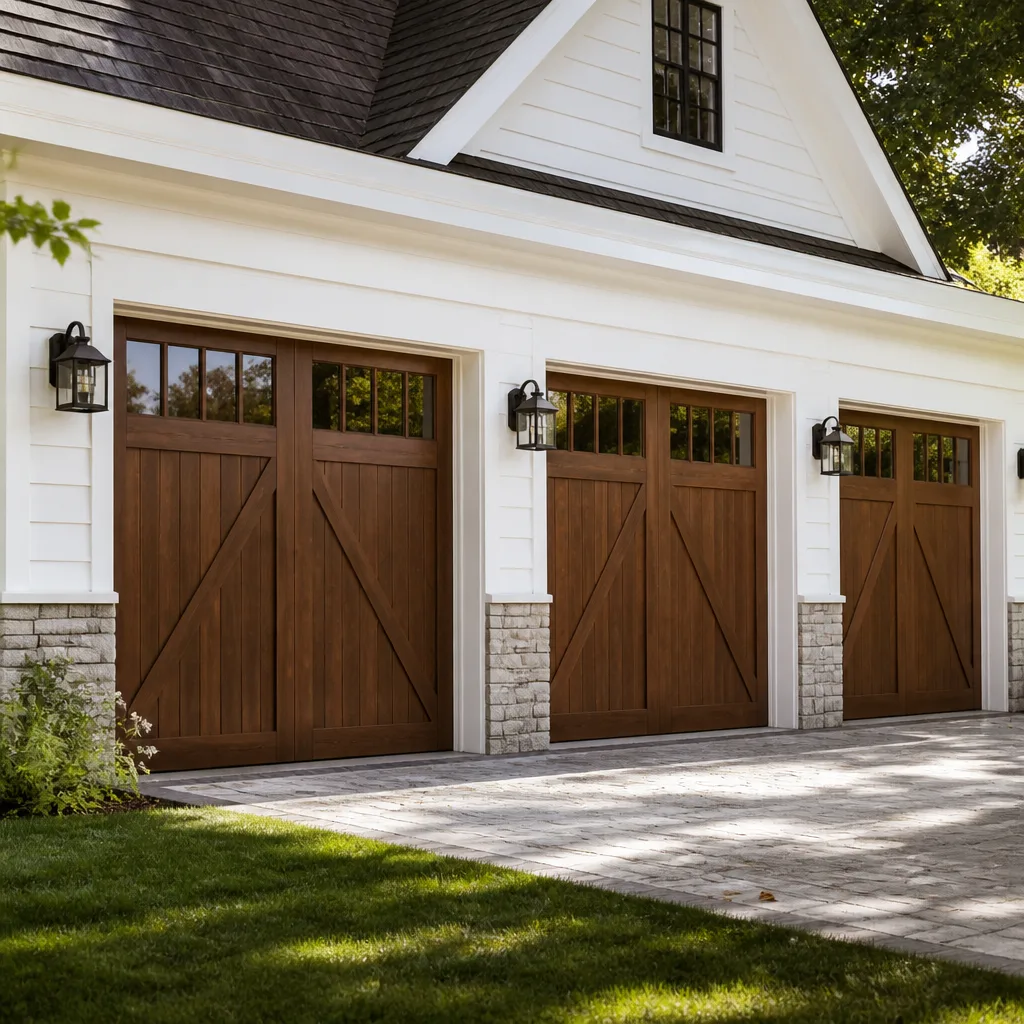 Carriage house
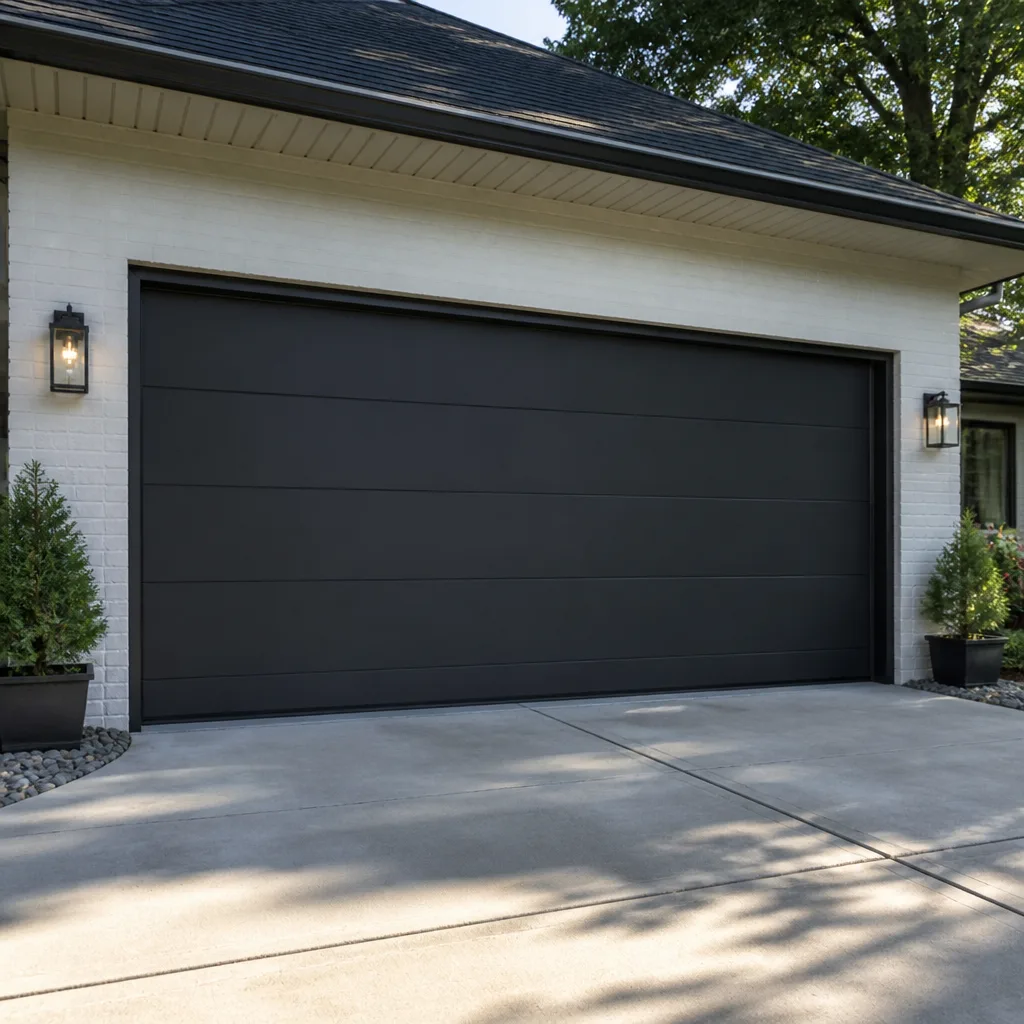 Modern flush
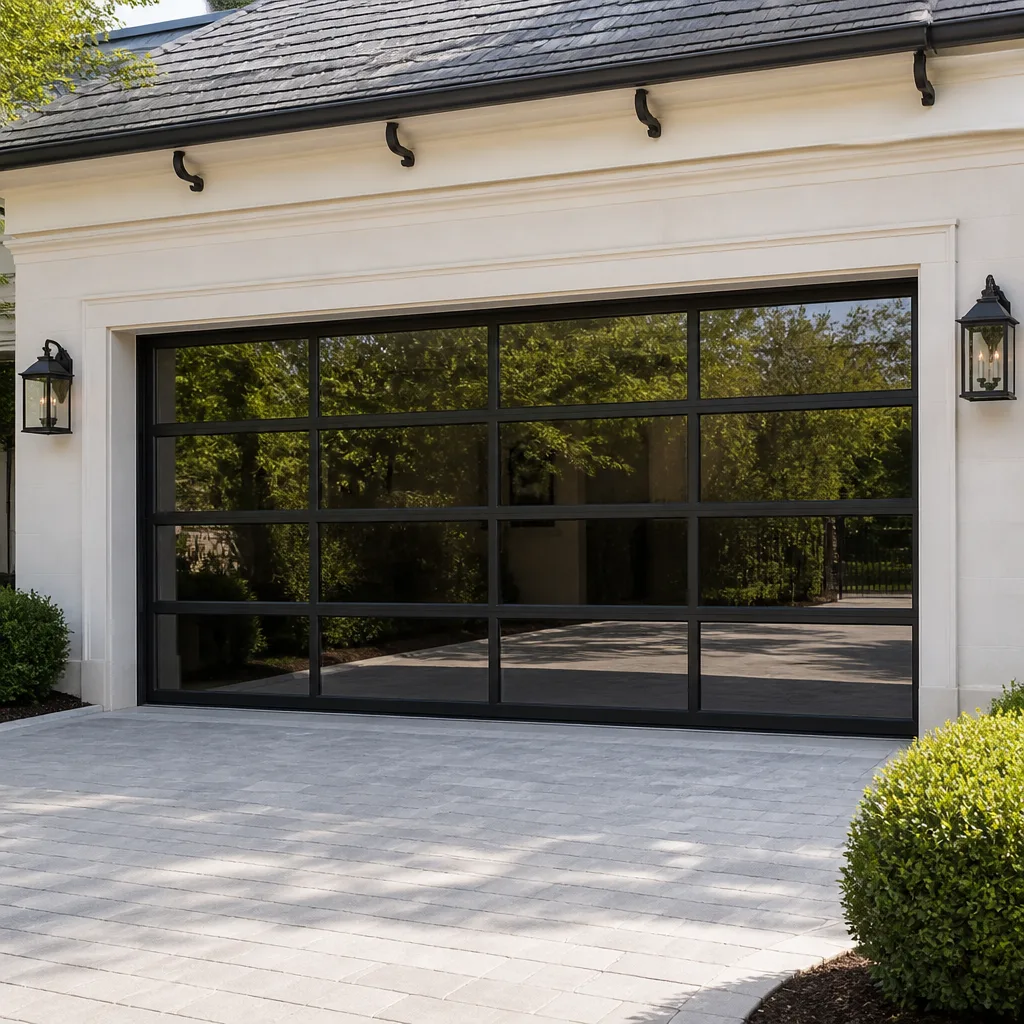 Full-view glass
 LiftMaster openers
 Chamberlain openers
Full 25-point door and opener safety check with every visit - springs, cables, rollers, tracks, and your LiftMaster or Chamberlain opener included
You get a price before we start. It does not change when the pro arrives.
Get your free estimateSeasonal Garage Door Care for Oceanfront: Year-Round Homeowner’s Guide
If you’re doing your garage door winterization in November, you’re already a month late for Oceanfront. The first major nor’easter typically arrives in October, and by then the damage window has already opened. Most national maintenance calendars are built around a freeze-thaw cycle that has little to do with how doors actually fail here. What matters in Oceanfront is the run-up to hurricane season, the wind-driven rain of storm season, and the salt-heavy nor’easters that grind at hardware through the winter. This guide lays out a real seasonal calendar for your door: what to do in June, September, December, and March, which components get missed, and what to check after a named storm before you touch the opener.
Quick Answer
Garage door care in Oceanfront runs on a different calendar than the rest of the country. The two damage windows that matter most are the weeks before hurricane season (inspect and reinforce bracing by June 1) and the nor’easter months from October through March (wind-driven rain and salt residue working at springs, cables, and hardware). A March flush of salt residue and a September post-storm inspection are the two steps most homeowners skip.
Styles & brands we work with
- Raised-panel steel
- Carriage house
- Modern flush
- Full-view glass
- LiftMaster openers
- Chamberlain openers
Table of Contents
- Why Oceanfront’s Seasonal Calendar Is Different
- June: Hurricane Prep Before the Season Turns
- How to Inspect and Reinforce Hurricane Bracing Before June 1
- September: Storm-Season Peak and Post-Storm Protocol
- Summer Humidity: Wood, Weatherstripping, and Opener Electronics
- December: Nor’easter Exposure and the Winter Stress Cycle
- March: The Salt Residue Flush
- How Mild Winters Still Stress Springs and Cables
Why Oceanfront’s Seasonal Calendar Is Different
Most garage door care advice you’ll find online assumes a northern freeze-thaw cycle: ice in the tracks, frozen springs, snow load on the panels. Oceanfront doesn’t run that way. Winters here are mild enough that the door rarely freezes shut, but the wind and water that come with nor’easters do more gradual damage than a hard freeze ever would. The real enemies are driving rain pushed sideways into the door, salt residue carried on that rain, and the humidity that sits on everything in summer.
That shifts the calendar. Instead of a single fall tune-up, Oceanfront homeowners are better served by four checkpoints across the year:
- June: hurricane prep. Bracing, tracks, and anchors inspected before the season starts.
- September: storm-season peak. Post-storm inspection after any named storm or major wind event.
- December: nor’easter exposure. Weatherstripping, seals, and hardware checked before the worst of the winter wind.
- March: salt residue flush. A clean-down of moving parts and hardware after the winter.
That’s four touchpoints instead of one, and each one targets a different failure mode. Skipping the June and March checkpoints is the most common reason a door that “worked fine last year” starts binding, sticking, or refusing to close all the way. When that happens, the fix is usually straightforward garage door repair, but catching it in June or March is almost always cheaper than catching it in the middle of a storm.
June: Hurricane Prep Before the Season Turns
June is the month to get ahead of hurricane season in Oceanfront. Once the season turns, you’re reacting to storms instead of preparing for them, and reactive repairs during a wind event are the ones that get scheduled out. The work in June is inspection and reinforcement, not repair. Here’s what to walk through:
- Check the door’s balance. Disconnect the opener and lift the door halfway by hand. It should stay put. If it drifts down or up on its own, the springs are out of balance and need attention before storm season.
- Look at the tracks. Run a hand along each track and feel for dents, bends, or loose mounting. A track that’s already slightly out of line will flex further under wind load.
- Inspect the hinges and rollers. Worn rollers and loose hinges are the first things to fail when a door is pushed hard by wind. Replace anything that rattles or binds.
- Check the bottom seal. A torn or hardened bottom seal lets wind-driven rain straight into the door opening, which is exactly the failure mode Oceanfront storms create.
- Test the auto-reverse. Place a small block of wood on the floor under the door and close it. The door should reverse on contact. If it doesn’t, the safety system needs adjustment before storm season.
If any of those checks turn up a problem, that’s the time to book it, not after a storm watch is posted. A door that’s already unbalanced in June will be far harder to operate when wind is pressing against it in September. We work on the brand you already have, whether that’s a Clopay steel door or a LiftMaster opener, and June is a good month to have any of it looked at.
How to Inspect and Reinforce Hurricane Bracing Before June 1
Hurricane bracing is the part of the door most homeowners never look at, and it’s the part that matters most in a wind event. Bracing is what keeps the door panels from bowing or blowing inward under pressure. On many doors it’s a horizontal or vertical reinforcement bar, a strut, or a set of brackets tied into the framing. Not every door has it, and not every door needs it, but if yours does, it needs to be sound before June 1.
The components most people miss:
- The strut and its fasteners. A reinforcement strut is only as strong as the screws holding it. Loose or rusted fasteners defeat the whole point of the strut.
- The panel-to-panel connections. Where panels join, the hinges and their screws carry the wind load. Check for stripped screw holes, which are common after a few seasons.
- The track anchors at the floor and header. These are the points that tie the whole door to the building. If they’re loose, the door can shift under load.
- The operator arm and its bracket. On an opener-driven door, the arm bracket at the top panel takes a lot of stress. A cracked or bent bracket is a weak link in a wind event.
- The weatherseal at the sides and top. Wind-driven rain gets in wherever the seal has pulled away, and that moisture then sits against the door and hardware.
If your door was built for a lower wind zone and you’re unsure whether the bracing is adequate, that’s a question for a technician who can see it in person. We can’t tell you from a photo whether your bracing is up to your exposure. What we can tell you is that the bracing check is the step most Oceanfront homeowners skip entirely, and it’s the one that pays off when a storm actually arrives.
September: Storm-Season Peak and Post-Storm Protocol
September is the peak of storm season in Oceanfront, and it’s also when post-storm inspections matter most. After any named storm or major wind event, don’t just hit the opener and hope for the best. Check the door before you operate it, and follow a fixed order so you don’t miss anything:
- Look at the door from the outside before you touch anything. Check for bent panels, popped hinges, or a door that’s sitting crooked in the opening.
- Check the tracks for debris and misalignment. Storm debris in a track will bind a door the moment it moves. Clear it before you try the opener.
- Inspect the springs and cables visually. A cable that’s jumped its drum or a spring that looks stretched out of shape means the door is not safe to operate. Don’t force it.
- Test the balance by hand with the opener disconnected. If the door won’t lift smoothly or drifts, stop and call a technician.
- Check the bottom seal and side seals. Wind-driven rain often tears or loosens these, and a torn seal lets water in for the rest of the season.
- Reconnect the opener and test the safety reverse before you consider the door back in service.
The single most important rule after a storm: if the door looks crooked, hangs up, or makes a new noise, don’t keep cycling it. A door that’s been knocked out of alignment can do real damage to itself and to the opener if you keep running it. That’s the moment to call for Garage Door Repair Oceanfront rather than troubleshoot it yourself.
Summer Humidity: Wood, Weatherstripping, and Opener Electronics
Summer humidity in Oceanfront does quiet, cumulative damage that shows up months later. Wood door components swell and shrink with the moisture in the air, and a wood door that was perfectly fitted in spring can bind in July. Watch the bottom rail and the panel edges for swelling, and check that the door still moves freely. If it starts to stick, don’t force it; that’s a sign the fit has changed.
Weatherstripping is the other summer weak point. Adhesive-backed seals soften in heat and humidity and can peel away from the frame. Walk the perimeter of the door and press the seal back against the frame. If it’s lifting or curling, it needs to be replaced before it lets water in during the next storm.
Opener electronics also feel the summer. Humidity and heat stress the control board and the safety sensors, and smart openers like a Chamberlain or a Genie WiFi model can throw false obstruction faults when the sensors fog up or get condensation on the lenses. If your opener is acting up, wipe the sensor lenses and check that they’re aligned. If the problem persists, it’s usually a sensor or board issue that needs a proper diagnosis rather than a new opener. That’s garage door opener repair territory, and it’s worth getting it looked at before the fall storm season adds wind and rain to the mix.
December: Nor’easter Exposure and the Winter Stress Cycle
December is when the nor’easters start arriving in Oceanfront, and the work this month is about weatherproofing the door against wind-driven rain. The door doesn’t freeze much here, but the wind and water do more damage than a hard freeze would. Check the bottom seal and side seals first; those are the entry points for water, and a seal that survived summer may not survive a December storm.
Lubricate the moving parts before the worst of the winter. Rollers, hinges, and the spring coils all benefit from a proper lubricant, and dry, unlubricated hardware is more likely to seize when it’s cold and wet. Don’t use a heavy grease that will trap grit; a garage door lubricant is the right product. Check the opener’s chain or belt for tension and lubrication too, since a stiff chain puts extra load on the motor in cold weather.
The winter stress cycle in Oceanfront is different from a northern freeze-thaw. Instead of ice expanding in the tracks, you get repeated wet-and-dry cycles on the hardware, plus salt carried on the wind-driven rain. That salt sits on hinges, rollers, and the bottom bracket and gradually works at the metal. That’s why the March flush matters so much here: it’s the step that reverses a winter’s worth of accumulation. If your door is binding or noisy by December, the garage door installation question is worth asking, but a lot of December problems are fixable with a seal replacement and a proper lubrication.
March: The Salt Residue Flush
March is the month to flush the salt residue off the door and hardware after the winter. Salt carried on wind-driven rain settles on hinges, rollers, springs, and the bottom bracket, and left alone it works at the metal all spring and summer. A simple flush with fresh water, followed by drying and a fresh application of lubricant, is the step that resets the door for the year.
- Rinse the door and hardware with fresh water. A garden hose is enough. Work from the top down so you’re not pushing residue back up into the hardware.
- Dry the hardware and the bottom bracket. A dry cloth or a quick pass with a leaf blower gets the water out of the hinge and roller pockets.
- Re-lubricate the rollers, hinges, and spring coils. Fresh lubricant after the flush protects the metal through the summer humidity.
- Check the bottom seal and side seals again. A winter of wind and rain is hard on seals. Replace any that are cracked, torn, or pulling away.
- Test the balance and the safety reverse. A quick balance check and auto-reverse test confirms the door is still operating safely after the winter.
The March flush is quick, and it’s the step that keeps a door out of the “why is it sticking in July” category. A door that’s flushed and lubricated in March is far less likely to need major repair by August.
How Mild Winters Still Stress Springs and Cables
It’s easy to assume that mild winters are easy on springs and cables, but that’s not how it works in Oceanfront. The stress isn’t from freezing; it’s from the repeated wet-and-dry cycles and from the temperature swings that come with nor’easters. Springs and cables are under constant tension, and every cycle of the door works them a little. In a mild climate, the door may get used more often through the winter than it would in a snowy climate, which adds cycles rather than reducing them.
The failure signs to watch for on springs and cables:
- A door that feels heavier than usual when you lift it by hand.
- A door that won’t stay open at the halfway point when disconnected from the opener.
- A visible gap in a torsion spring, or a spring that looks stretched or unwound.
- A cable that’s jumped its drum, looks frayed, or is hanging loose.
- A loud bang from the garage, which usually means a spring has broken.
Springs and cables are the one part of the door you should never try to adjust or replace yourself. Torsion springs are under extreme tension, and a mistake can cause serious injury. If you see any of the signs above, call a technician. Our technicians have up to 10 years of experience with spring work, and spring repair is a dedicated service for us because it’s the most dangerous and technically demanding part of the trade. A trained technician can tell you whether you’re looking at a single spring replacement or a matched pair, and the difference matters for both safety and cost.
Common Mistakes to Avoid
- Following a national freeze-thaw calendar. Oceanfront’s damage windows are hurricane season and the nor’easter months, not the freeze-thaw cycle. A generic fall tune-up misses the June and March checkpoints that actually matter here.
- Skipping the June bracing check. Hurricane bracing and its fasteners are the most-missed components on an Oceanfront door, and they’re the ones that matter most when a storm arrives.
- Running the door after a storm without inspecting it first. A door that’s been knocked out of alignment can damage itself and the opener if you keep cycling it. Check the tracks, springs, and cables before you touch the opener.
- Ignoring summer humidity on a wood door. Swelling wood binds the door, and forcing it makes the problem worse. If the door sticks in July, it needs adjustment, not force.
- Letting salt residue sit all spring. The March flush is the step that resets the door after winter. Skipping it lets salt work at hinges, rollers, and the bottom bracket through the humid months.
- Adjusting springs or cables yourself. Torsion springs are under extreme tension and a mistake can cause serious injury. This is the one repair to always leave to a trained technician.
- Replacing an opener when the problem is a sensor. Humidity and heat can cause false obstruction faults. A proper diagnosis often finds a sensor or board issue rather than a dead opener.
See the difference
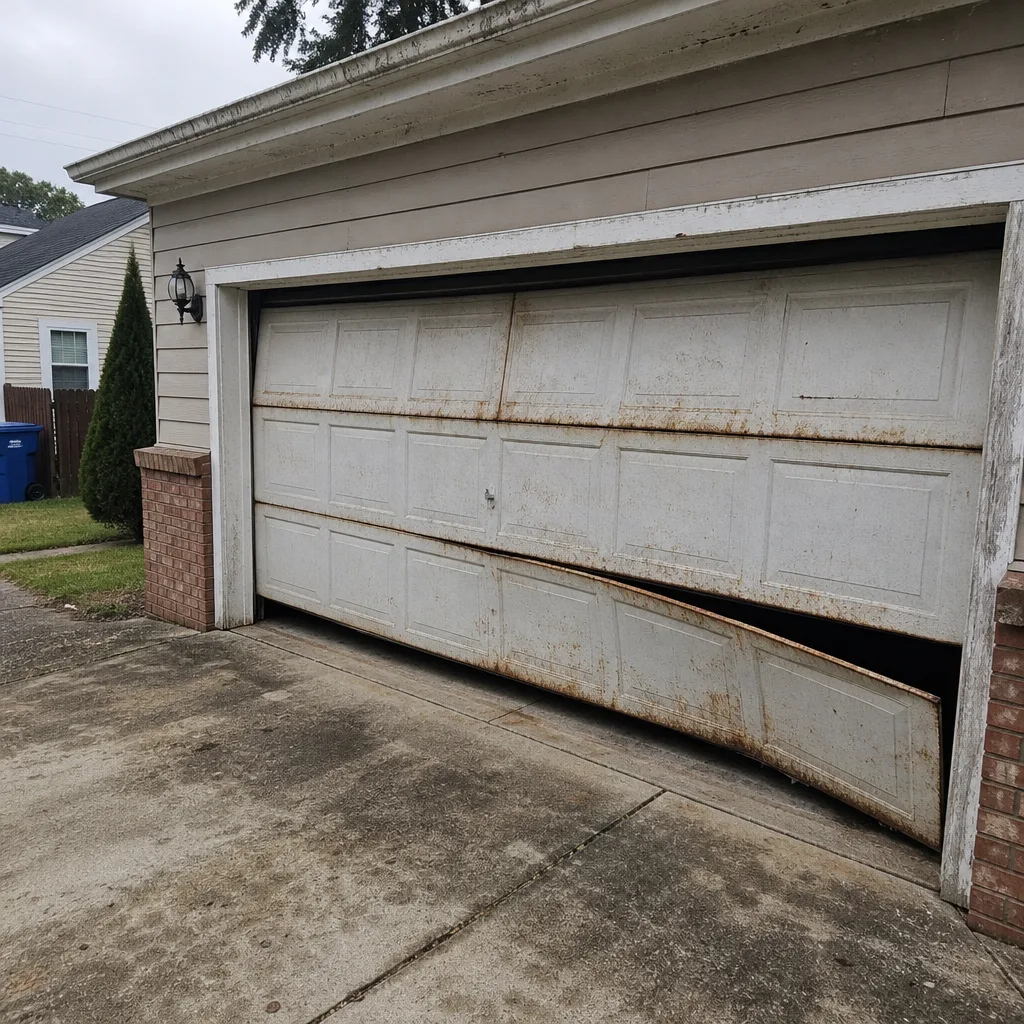 Before
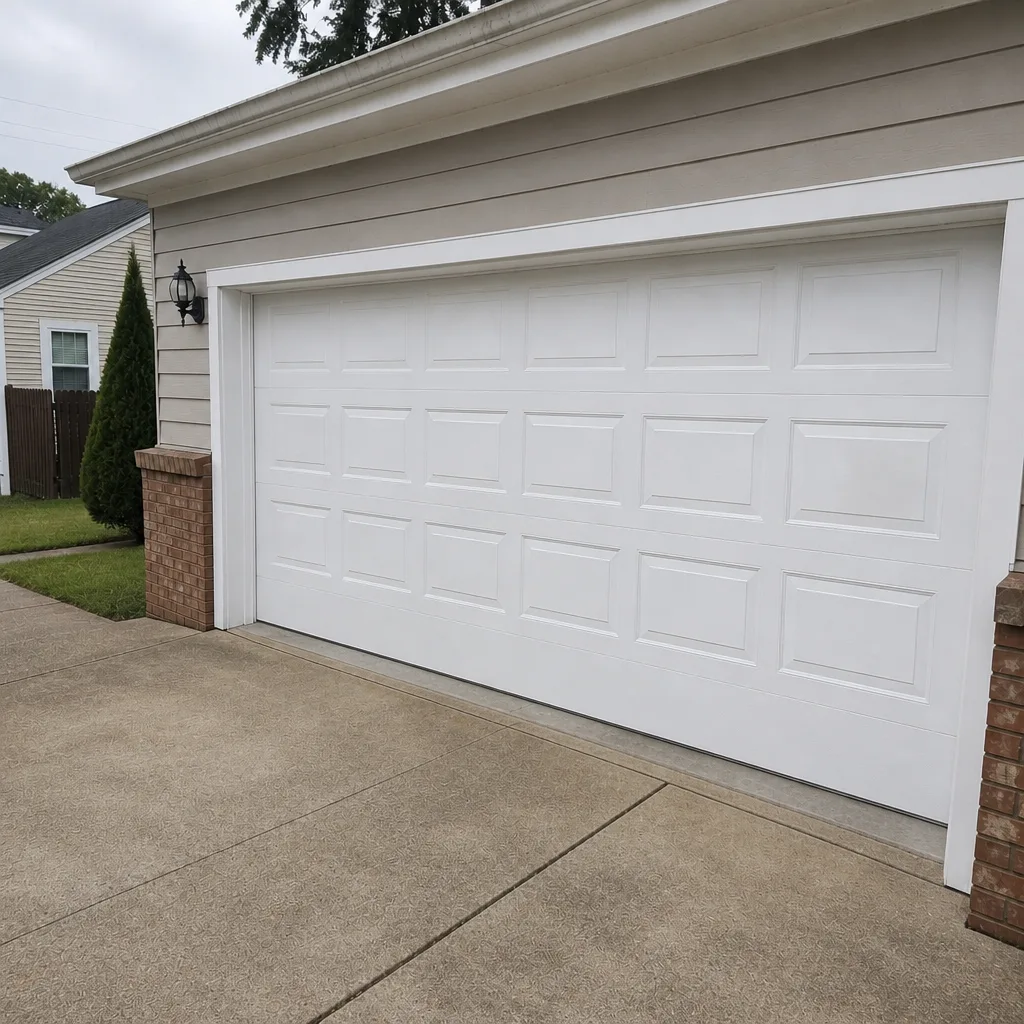 After
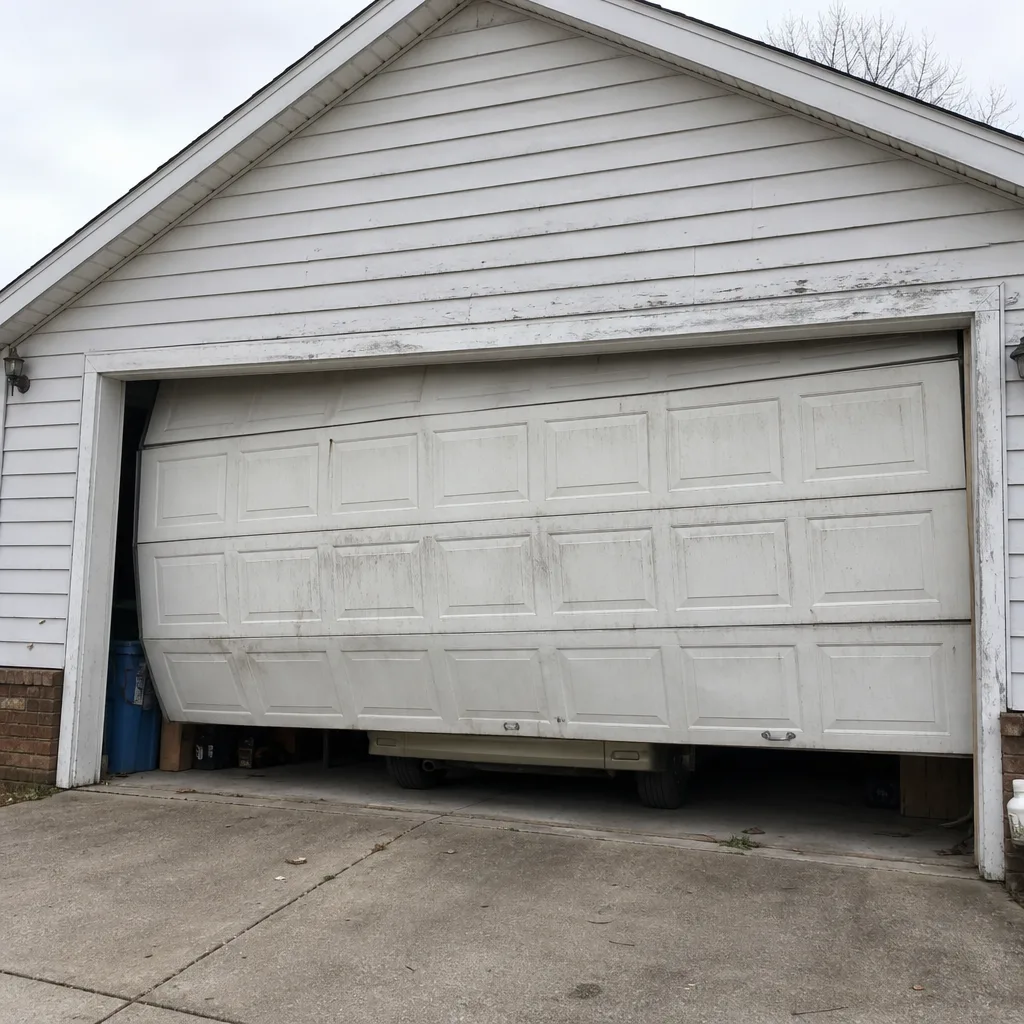 Before
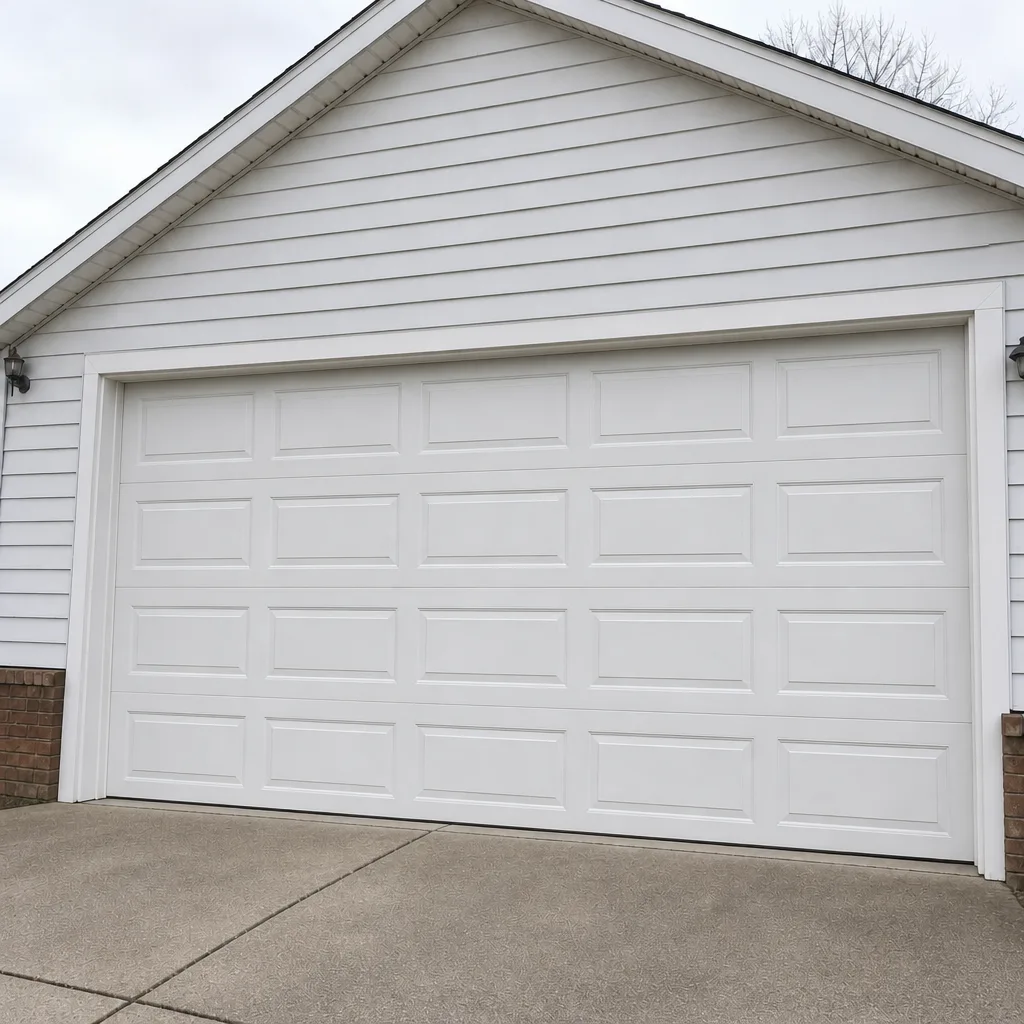 After
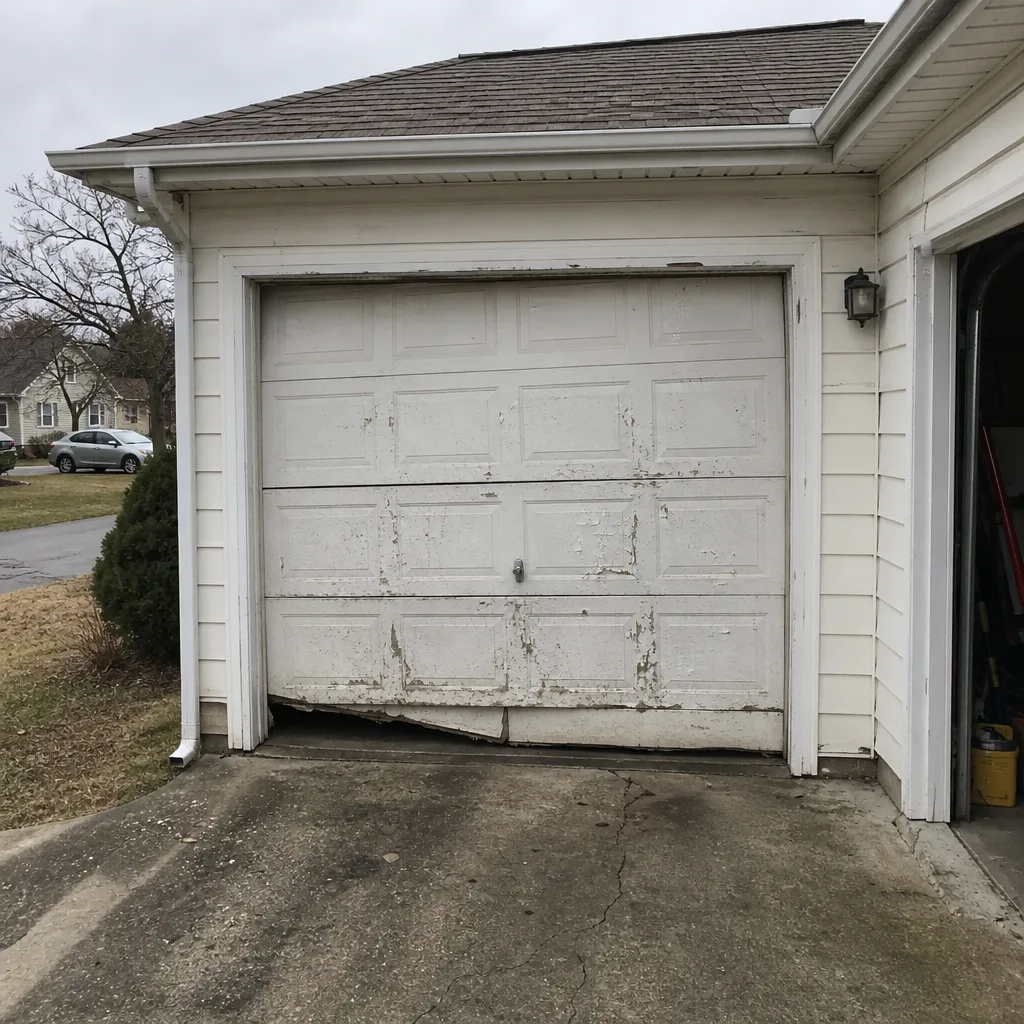 Before
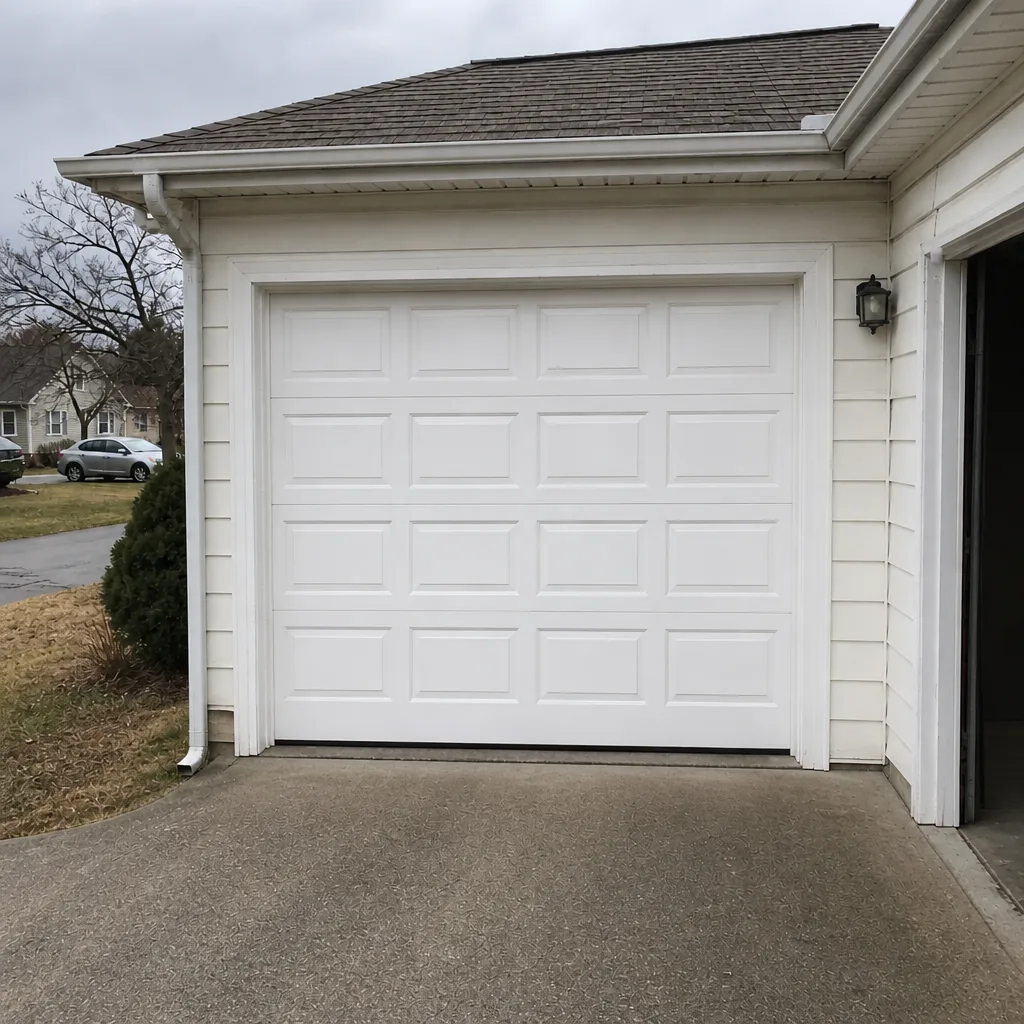 After
When to Call a Professional
Call a professional when the door won’t balance, when a spring looks broken or stretched, when a cable is frayed or has jumped its drum, or when the door hangs crooked after a storm. Call when the opener runs but the door doesn’t move, or when the safety reverse fails the block test. Call when a wood door binds and won’t free up with a simple adjustment, or when the bottom seal has torn and let water into the hardware. Those are the scenarios where a hands-on diagnosis saves money over guesswork. Garage Door Repair Oceanfront offers free estimates in Oceanfront and can work with your brand, whether it’s an Amarr steel door or a LiftMaster opener. Call (855) 337-0930. We answer 24/7. Fast dispatch from 7am to 7pm, Sunday through Friday. The estimate is free, and the written estimate sets the price before any work starts.
Frequently Asked Questions
Four checkpoints a year works best in Oceanfront: June for hurricane prep, September for post-storm inspection, December for nor’easter weatherproofing, and March for the salt residue flush. That’s more frequent than a single annual tune-up, and it matches the actual damage windows here rather than a national freeze-thaw calendar.
Check the door from the outside for bent panels or a crooked fit, clear debris from the tracks, inspect the springs and cables visually, and test the balance by hand with the opener disconnected. If the door hangs up, looks crooked, or makes a new noise, don’t cycle it. Call a technician instead.
No. Torsion springs are under extreme tension, and adjusting or replacing them is the most dangerous part of garage door work. A mistake can cause serious injury. Leave spring and cable work to a trained technician and stick to the inspection steps in this guide.
Yes. Wood door components swell with summer humidity, and a door that was fitted in spring can bind by July. Adhesive-backed weatherstripping also softens and peels in heat and humidity, and opener sensors can fog up and cause false obstruction faults. Check the seals and the door’s movement each summer.
Check that the strut and its fasteners are tight, that panel-to-panel hinges aren’t stripped, and that the track anchors at the floor and header are secure. If you’re unsure whether the bracing matches your exposure, have a technician look at it in person. A photo won’t tell you what an in-person check will.
No. The written estimate sets the price before any work starts. We quote the job once we’ve seen it, and the estimate is free. Call (855) 337-0930 for a free estimate. We answer 24/7. Fast dispatch from 7am to 7pm, Sunday through Friday.
The Bottom Line
Oceanfront’s garage door calendar runs on storms and salt, not snow and ice. The two checkpoints that matter most are the June hurricane prep and the March salt residue flush, with September post-storm inspections and December nor’easter weatherproofing in between. Springs and cables take the stress all year, and they’re the one part to always leave to a trained technician. Keep up with the four checkpoints and your door will handle the season better than a door that only gets a fall tune-up. When something needs a real fix, Garage Door Repair Oceanfront is here to help, from a broken spring to a brand-new door.
Written by the team at Garage Door Repair Oceanfront.