
Last updated November 22, 2026
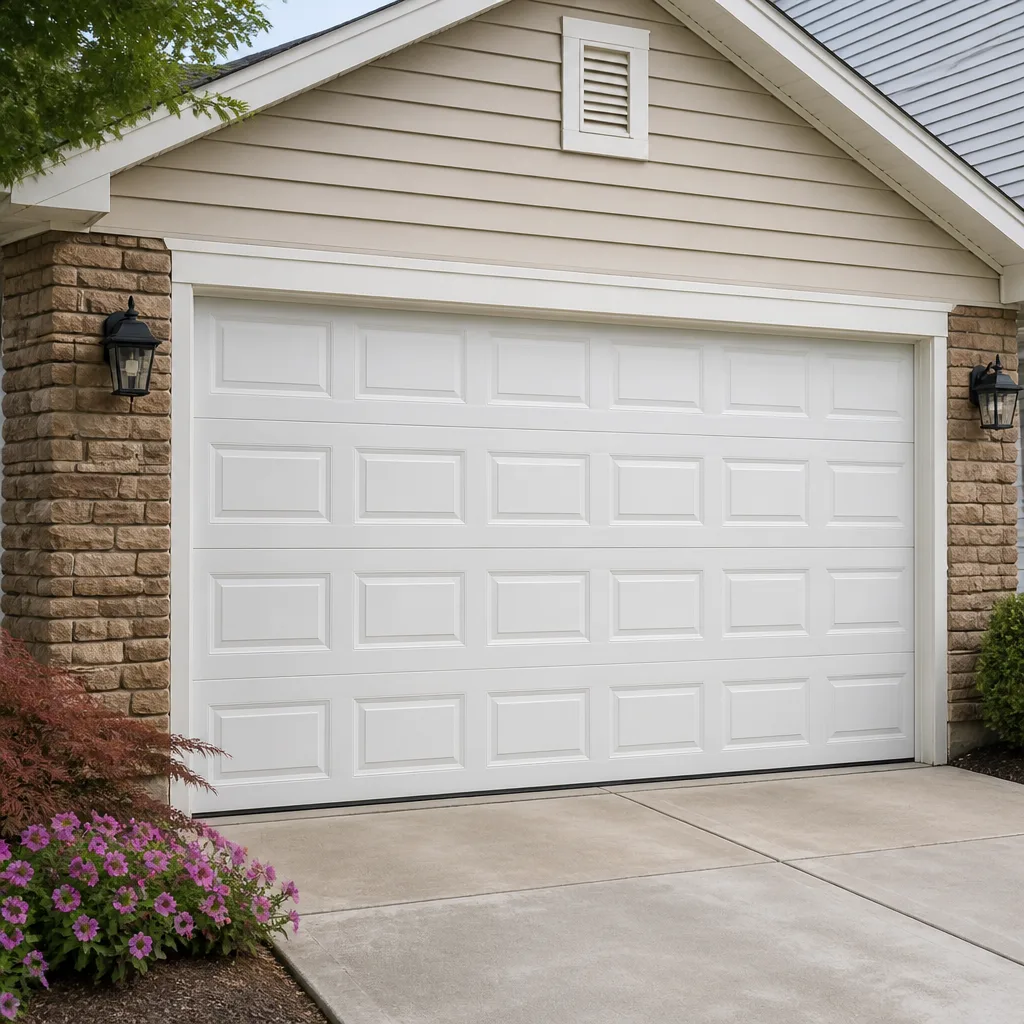 Raised-panel steel
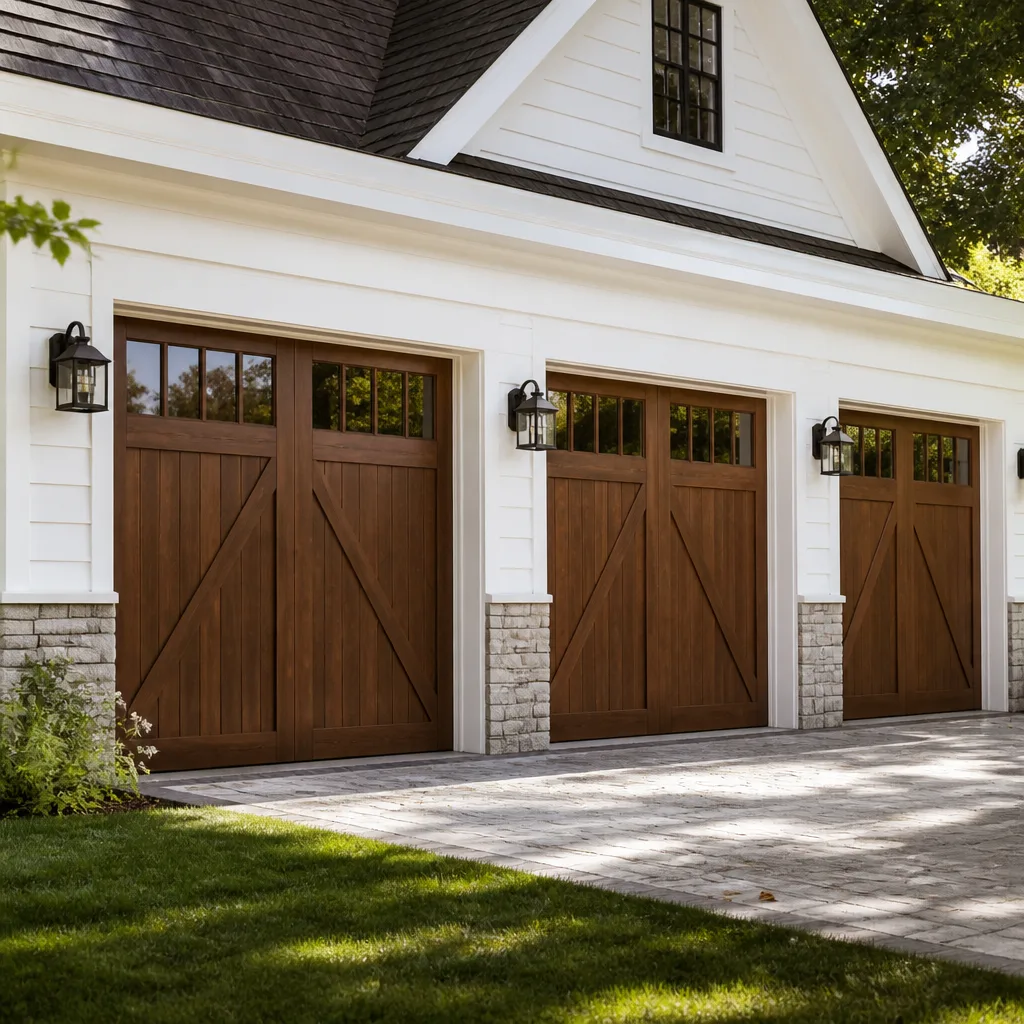 Carriage house
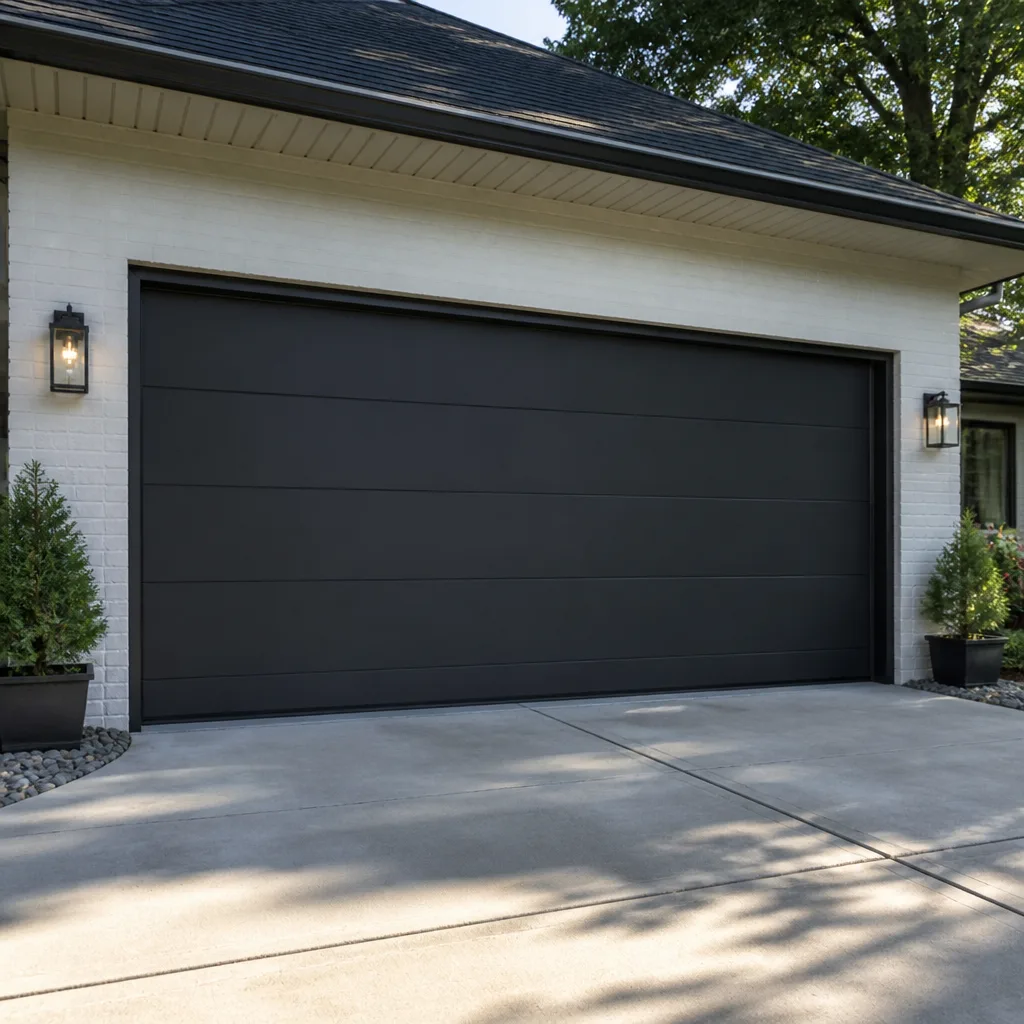 Modern flush
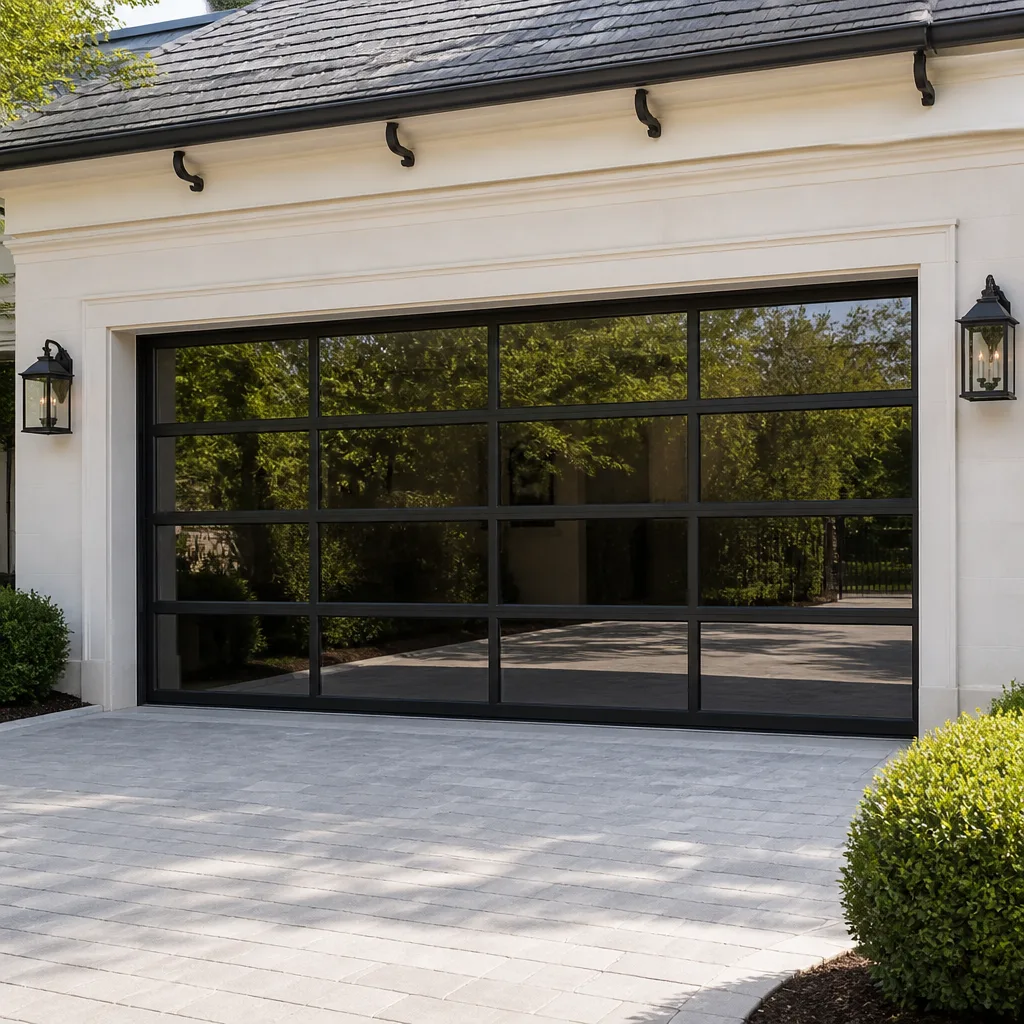 Full-view glass
 LiftMaster openers
 Chamberlain openers
Full 25-point door and opener safety check with every visit - springs, cables, rollers, tracks, and your LiftMaster or Chamberlain opener included
You get a price before we start. It does not change when the pro arrives.
Get your free estimateGarage Door Warning Signs: An Oceanfront Homeowner’s Reference Guide
A door that takes two seconds longer to open than it did six months ago isn’t just slow – it’s a motor burning out against a mechanical problem that’s been building since last winter. The trouble is that most homeowners read slow travel as normal aging, when it’s really the first stage of a failure that’s already underway. The signals your door sends in Oceanfront wear differently than they do fifteen miles inland, because the air here is heavy with moisture and salt that speed up how fast springs pit, cables fray, and hinges stiffen. This guide teaches you how to read those signals in order: what to look at, what to listen for, what each symptom predicts, and the handful of warnings that mean you should stop operating the door entirely before you make the repair costlier.
Quick Answer
The warning signs of a failing garage door are slow or uneven travel, grinding or popping sounds, rust and fraying on springs and cables, a door that won’t stay down in wind, and a motor that strains or reverses without cause. Any one of these means the door needs a professional look before continued use turns a small repair into a large one. In an oceanfront climate, moisture and salt accelerate corrosion on springs and cables, so the failure timeline is shorter and the signs appear earlier than most homeowners expect.
Styles & brands we work with
- Raised-panel steel
- Carriage house
- Modern flush
- Full-view glass
- LiftMaster openers
- Chamberlain openers
Table of Contents
- What Coastal Corrosion Looks Like: Springs, Cables, and Hinges
- Reading the Sounds: Grinding, Popping, and Dragging
- The Operational Symptoms Homeowners Dismiss
- Warnings That Mean Stop Using the Door Now
- When the Problem Is the Opener, Not the Door
- How to Document Warning Signs Before You Call
- Seasonal Inspection Rhythm for an Oceanfront Home
- What a Professional Inspection Actually Covers
What Coastal Corrosion Looks Like: Springs, Cables, and Hinges
Rust on garage door hardware happens everywhere, but in Oceanfront it stages differently and faster. The moisture in the air here, combined with salt carried on the wind from the waterfront, begins attacking bare metal long before a door in a drier neighborhood shows any sign. What makes this tricky is that each component corrodes on its own timeline, so you need to know what each one’s rust staging means before you can judge how much life is left.
Springs
A torsion spring starts with a light orange dusting at the coils. That’s early-stage and means the spring is still doing its job but should be watched. When the surface turns a darker, flakier orange and you can rub rust off with a thumb, the metal is thinning. At the point where you see pitting – small craters in the surface – or the coils look uneven, the spring is close to the end and should be replaced. Extension springs show it differently: look for rust at the looped ends, where the stress concentrates. Never touch, adjust, or try to treat a torsion spring yourself. The stored tension in a wound torsion spring is enough to cause serious injury, and this is exactly the kind of work that calls for trained hands.
Cables
Cables are galvanized steel and take longer to rust than springs, but they fail catastrophically when they do. Early signs are a graying cast to the cable and a slight stiffness when you watch it move. Real trouble looks like frayed strands – broken wires poking out from the bundle like a frayed rope end. A single frayed strand means the cable is compromised. Fraying on a cable is different from rust: rust means the metal is thinning, but fraying means the load is now spread unevenly across fewer strands. That’s a stop-using-the-door sign, discussed further down.
Hinges and Rollers
Hinges rust at the pivot points first, and stiff hinges translate directly into drag on the door. You’ll see it as a brown streak at the knuckle of the hinge where the pin enters. Rollers show wear as flat spots on the tire surface and as stuck bearings that no longer spin freely. A roller with rust on its bearing is going to drag a little harder each month, and that drag pulls on the opener motor – which is how a hinge problem can quietly turn into an opener replacement if it’s ignored long enough.
Reading the Sounds: Grinding, Popping, and Dragging
Your ears are a diagnostic tool, and the difference between three sounds can tell you which component is failing and roughly how urgent the repair is. Listen once with the door closed, once mid-travel, and once as it settles. In Oceanfront, where ocean moisture makes hardware tighten and loosen at different rates, sound is often the earliest signal you’ll get.
The Grinding Opener
A grinding sound that comes from the opener unit itself – the box on the ceiling – usually points to worn gears or a failing chain or belt drive. If the grind happens only when the door moves and disappears when it’s idle, the opener’s drive system is struggling against either its own worn parts or the resistance of the door. This is a repair problem, not always a replacement problem. A technician can often free up a dragging door and save the opener, which is the kind of diagnosis a brand-agnostic specialist makes before recommending new equipment.
The Popping Spring
A pop or snap that comes from the overhead torsion bar – usually at the start of travel – is a warning. It often means a spring has shifted on its winding cone, a cable has slipped off its drum, or a worn bearing plate is binding. A single pop that repeats every cycle is a precursor to spring failure. If you hear it and the door still moves, stop and get it looked at before the spring lets go. If you hear it and the door drops suddenly, that’s a different scenario entirely, covered in the next section.
The Dragging Roller
A low squeal or a rhythmic scratch that tracks with the door’s travel is almost always a roller or hinge. It changes pitch as the door passes each hinge, and it gets louder in winter when cold metal tightens. Dragging rollers put extra load on the opener and add to spring fatigue. In Oceanfront, the practical rule is that a squeak you can hear across the garage is already costing you motor life.
The Operational Symptoms Homeowners Dismiss
These are the warning signs most people live with for months before they do anything. Each one is a signal that the balance of the door has shifted away from the springs and onto the opener motor, and the opener is not designed to carry the whole load.
- Slow travel. A door that’s added a second or two to its open or close time is fighting extra resistance. It might be a dragging door, a fatigued spring, or a weakening opener, but it’s a symptom worth explaining to a technician by phone.
- Uneven lifting. One side of the door rises faster than the other, or the door looks crooked at the halfway point. This is a sure sign of an unbalanced door, usually a spring or cable issue. Operating it in this state strains everything on the high side.
- A door that won’t stay closed in wind. The bottom seal lifts, the door sags, or it pops back up during a gust. On an oceanfront lot, wind exposure is real, and a door that used to hold should hold now. When it doesn’t, the balance springs or the seal are the first suspects.
- The door reversing on its own. If it goes back up while closing, the safety sensors are the usual cause, but worn springs or a misaligned track can also trip the reversal. Don’t assume it’s just the sensors.
- A manual door that got heavy. If it takes real effort to lift a disengaged door by hand, the springs are no longer doing their share. That’s a fatigue signal, and it takes pressure off the opener, not onto it.
Warnings That Mean Stop Using the Door Now
Some warning signs aren’t maintenance items – they’re stop-using-the-door-now signals. Operating a door in these states is how a modest repair becomes a large one, and in a handful of cases it’s how people get hurt. If you see any of the following, stop running the door and call for service.
- A broken spring. A torsion spring snapped in the middle is easy to see: the two halves have separated. An extension spring broken at one end will hang freely. A door with a broken spring is dead weight on the opener, and spring work is one of the highest-risk jobs in the trade. Do not touch, adjust, or try to treat the spring or its winding cones yourself.
- A snapped or visibly frayed cable. A cable that’s come off its drum, or one where strands have let go, means the door’s lift is no longer controlled. It can drop or swing. Stop.
- A visibly bent or lifted track. A door with a bent track or a roller popped out is running crooked and can jam, drop, or damage the door panels.
- A door that is out of square, sagging, or hanging from one side. That means the door is being carried by one side only. Every cycle adds stress to that side.
- The opener runs but the door doesn’t move. A motor spinning against a dead door can burn out, and if the door is jammed or off-track, forcing it makes the jam worse.
- A popping spring under load, heard every cycle. A pop at the torsion bar or at a winding cone is a no-more-cycles signal. Stop before it lets go.
In these situations we work on the brand you already have – whether it’s Genie, Clopay, Amarr, or Wayne Dalton – and we back up and running today wherever the schedule allows. Emergency garage door service is a core part of what we do, not an add-on.
When the Problem Is the Opener, Not the Door
Not every warning sign lives on the door itself. A lot of Oceanfront service calls turn out to be an opener that’s aging out or has been struggling against a door problem for months. Learning to read the opener’s signals separately from the door’s signals helps you describe the problem accurately when you call, which could mean a simpler visit for all concerned.
- Remote range shrinking. If you have to be within a few feet to get the door to open, the opener’s receiver or the remote’s battery is fading. On smart and WiFi-enabled openers like LiftMaster and Chamberlain, the app can also tell you when the unit last moved and when it faulted.
- Lights flashing or the motor straining. Many openers signal a fault with a specific light pattern. Note what the light does, and the model if you can see it, so a technician can recognize the fault on the phone.
- The opener reversing without obstruction. If the safety sensors are clean and aligned and the door still reverses, the opener is sensing resistance from the door – which traces back to the springs, tracks, or rollers.
- Chains or belts that slack or jump. A slack chain or a slipping belt is a sign the opener is being asked to do more work than it should. The right fix may be freeing the door first and then servicing the opener.
- Opener age relative to the door. An older opener matched to a worn door will fail more often. A brand-agnostic look at the whole system is often the cheapest answer.
When its opener needs a look, garage door opener repair covers the smart and legacy systems we see most often. If the opener itself is genuinely past saving, we’ll say so plainly. The right fix, not the easiest upsell, is the standard we hold ourselves to.
How to Document Warning Signs Before You Call
A few photos and a couple of notes taken before you call can save time and sometimes money. Much of the diagnosis can be done from the description and images by phone, so the visit is focused on the actual fix. Here’s how to document what you’re seeing.
- Photograph the spring. Get a clear shot of both torsion springs (on the wall above the door, horizontal) or both extension springs (running along the track on each side). Shoot them straight-on with good light, and include a close-up of any rust or separation.
- Photograph the cables at both drums and at the bottom corners. The corners are where a fray is most visible.
- Photograph the tracks at the floor. Look for bends, gaps in the brackets, and whether the door sits square in the opening.
- Record a short video with sound of one full open and one full close. The grind, the pop, or the squeal shows up clearly in a 20-second clip, and a technician can hear which component is the source.
- Make a note of the door brand and the opener brand if you can see them. Clopay, Amarr, Wayne Dalton, Genie, and others each have their own wear patterns and parts.
- Note the door’s behavior and the time and date it started. “Stopped closing in the wind on a Sunday morning” is more useful than “getting worse.”
- Note anything you’ve already tried – sensor realignment, remote battery replacement, disconnecting the opener. It prevents repeat steps.
- Note whether the door is safe to operate. If you’ve seen a broken spring, a frayed cable, or a hanging door, write that down so no one runs the door.
Send the photos and notes to us before you call and we’ll be ready for the visit. When you call, say the door is safe to open or not, and we’ll book the right technician.
Seasonal Inspection Rhythm for an Oceanfront Home
In Oceanfront, the practical rhythm is a visual check every season and a professional inspection once a year. The moisture and salt in the air here work more slowly than direct salt spray, but faster than a dry-climate garage, and the buildings nearest the water tend to show wear first. Here’s what to look at, and when.
- Spring and fall: walk the door once from each side and look at springs, cables, and hinges for rust. Fall is when you catch the wear from summer humidity before winter cold makes the metal stiffer.
- Before wind season: test the bottom seal for a snug fit and check that the door sits square when closed. Oceanfront wind exposure finds a loose seal quickly.
- After heavy weather: look for water intrusion at the bottom of the door and any fresh rust at the track anchors.
- Once a year: schedule a professional inspection that covers spring tension, cable condition, roller rotation, hinge tightness, and full opener operation. This is also the moment to ask about the next step if the door is nearing the end of its life – which is where garage door installation becomes the smarter call.
For the door itself, garage door repair is where most of these checks lead when something’s found. The full-service picture, from a broken spring to a brand-new door, is what Garage Door Repair Oceanfront is built around.
What a Professional Inspection Actually Covers
A proper inspection is more than a look at the springs. When we come out, we run the door and watch every component through a full cycle, then check each part against its expected wear. It’s the difference between catching a bearing that’s about to fail and replacing the opener it would have taken down with it.
- Balance test: disconnect the opener and lift the door by hand. A door that won’t hold position mid-travel has lost its spring balance, which is the root cause of most slow-travel complaints.
- Spring and cable inspection: measure spring tension, check for rust staging, and inspect the cables hand-over-hand for fraying. A torsion spring under tension is never something a homeowner should handle – this is the safest reason to have a trained technician on the job.
- Track and roller check: verify the track is square, look for popped or worn rollers, and test each hinge.
- Opener evaluation: test the safety sensors and reversal, check the light code on any fault, and confirm the opener’s force settings match the door’s actual weight.
- Weather seal and bottom bracket: the bottom seal is where wind and water get in, so it’s checked and replaced when it’s worn.
Our technicians have up to 10 years of experience, and we work on the equipment you already have rather than pushing a specific brand. The written estimate we give you before any work starts is the price you pay – there’s no surprise invoice at the end.
Common Mistakes to Avoid
Most of the costly mistakes we see in Oceanfront come from a small set of habits. Each of these can turn a cheap repair into a bigger one:
- Ignoring a slow door. Slow travel is the earliest and most reliable warning, and it’s the easiest to dismiss as normal. By the time the opener starts reversing, the drag has usually been building for months.
- Treating rust as cosmetic. Rust on springs and cables is structural. A light dusting is a watch item; flaking and pitting mean the part is on borrowed time, not just marked.
- Running the door with a broken spring. When a torsion spring snaps, the door’s full weight goes onto the opener and the cables. A one-spring repair becomes a door with a strained opener and possibly damaged panels if you keep cycling it.
- Adjusting the opener force setting to make a struggling door work. Turning up the force makes the opener push harder against a problem that’s still there, and it can override the safety reversal. Fix the door, don’t overpower it.
- Trying to handle a torsion spring yourself. The stored energy in a torsion spring is enough to cause serious injury, and the winding process needs proper bars and training. Spring work is a professional job in every case.
- Buying a new opener before diagnosing the door. A brand-agnostic look at the whole system often finds a door problem that a same-brand dealer would have missed. The right fix is frequently cheaper than replacing the opener.
- Assuming coastal weather is the same as inland weather. In Oceanfront, rust staging tells you about remaining life faster than the age of the part. Annual inspections here are worthwhile; the same door could go much longer without one inland.
See the difference
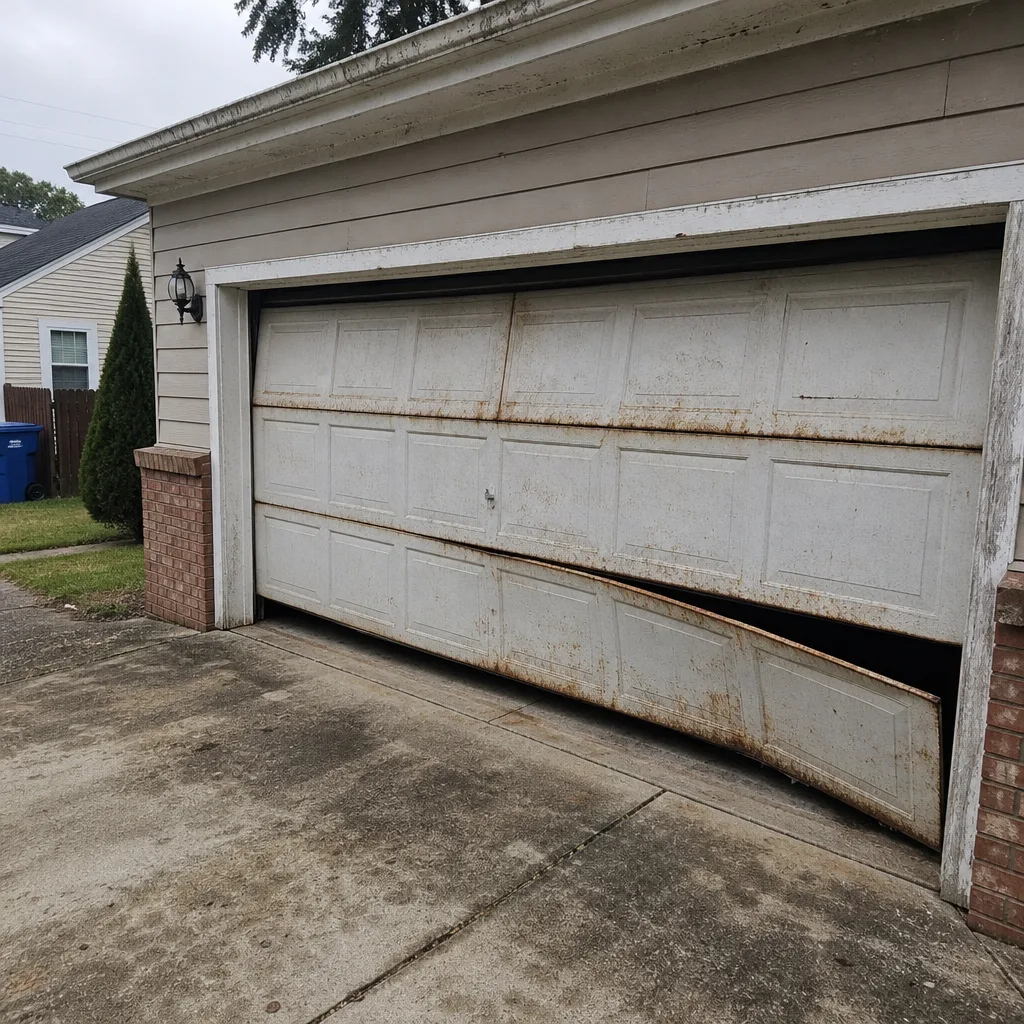 Before
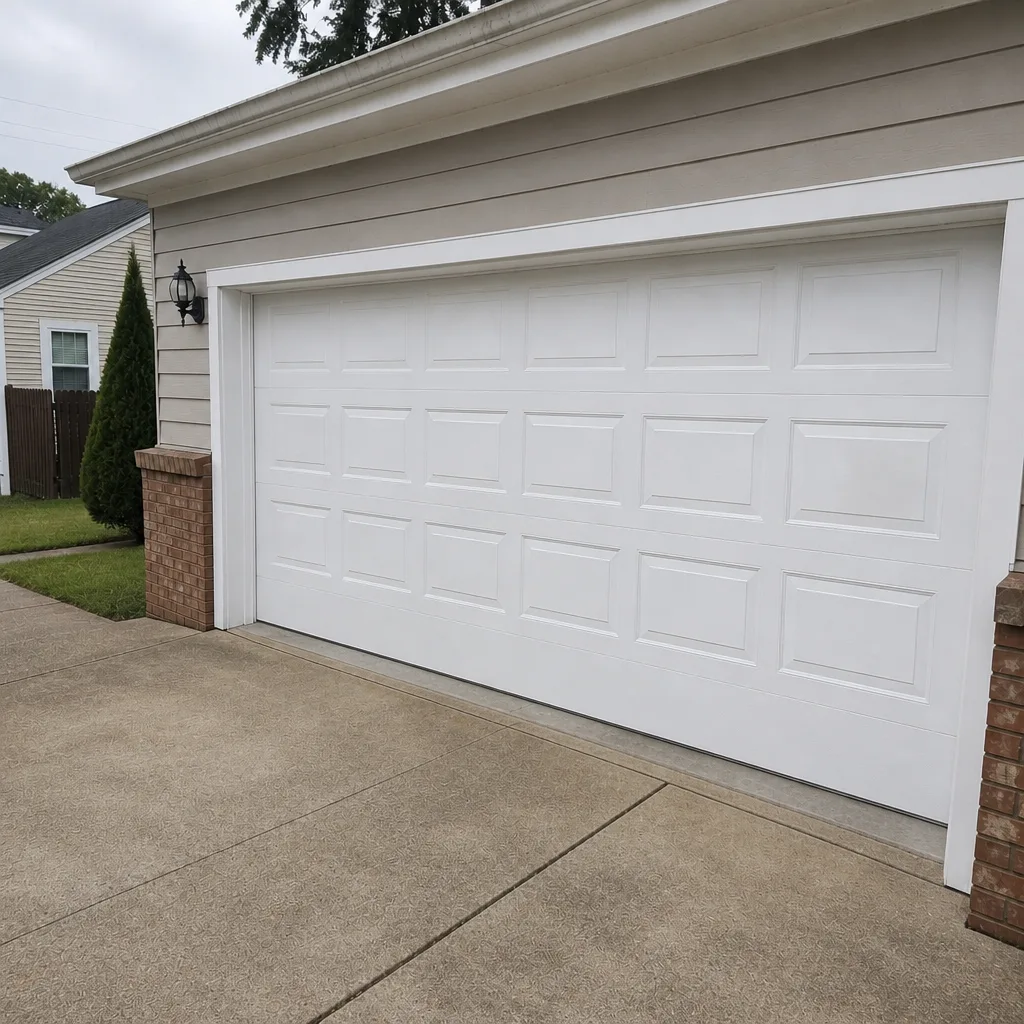 After
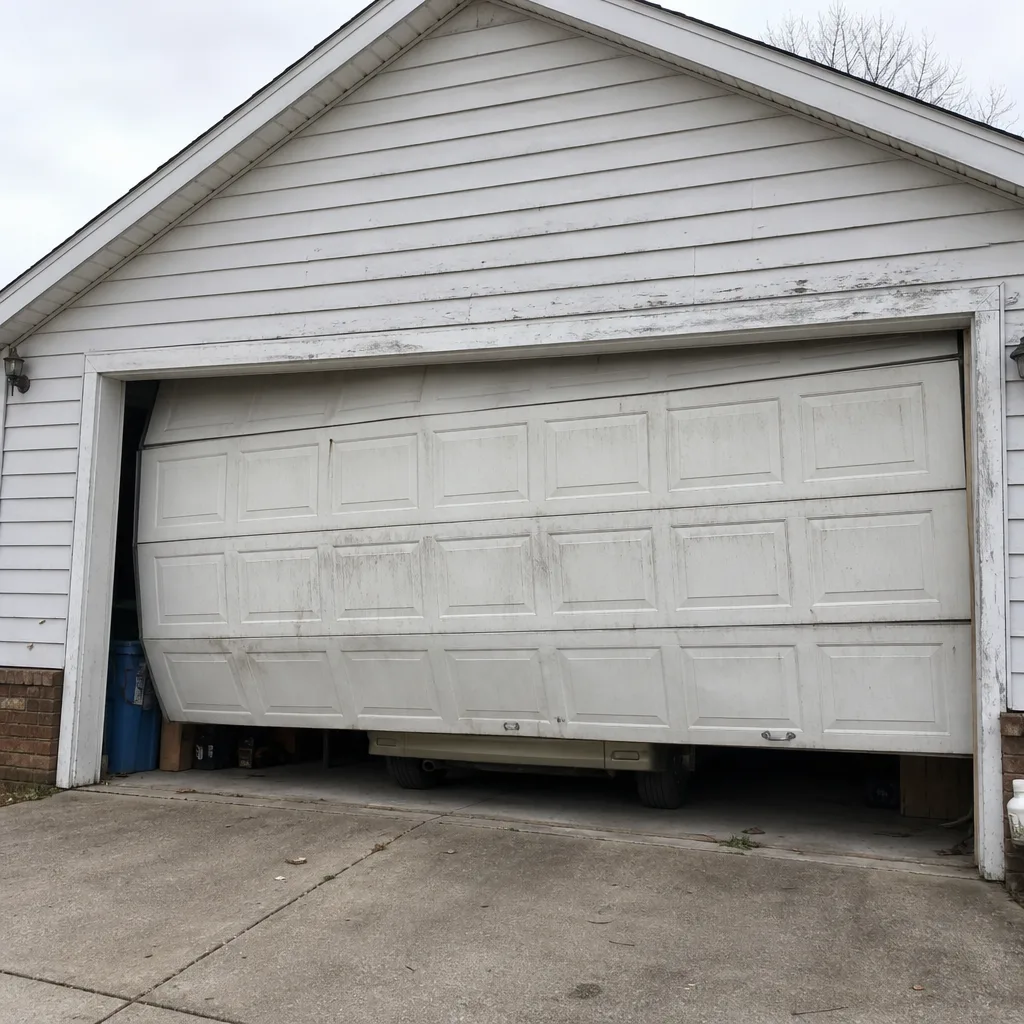 Before
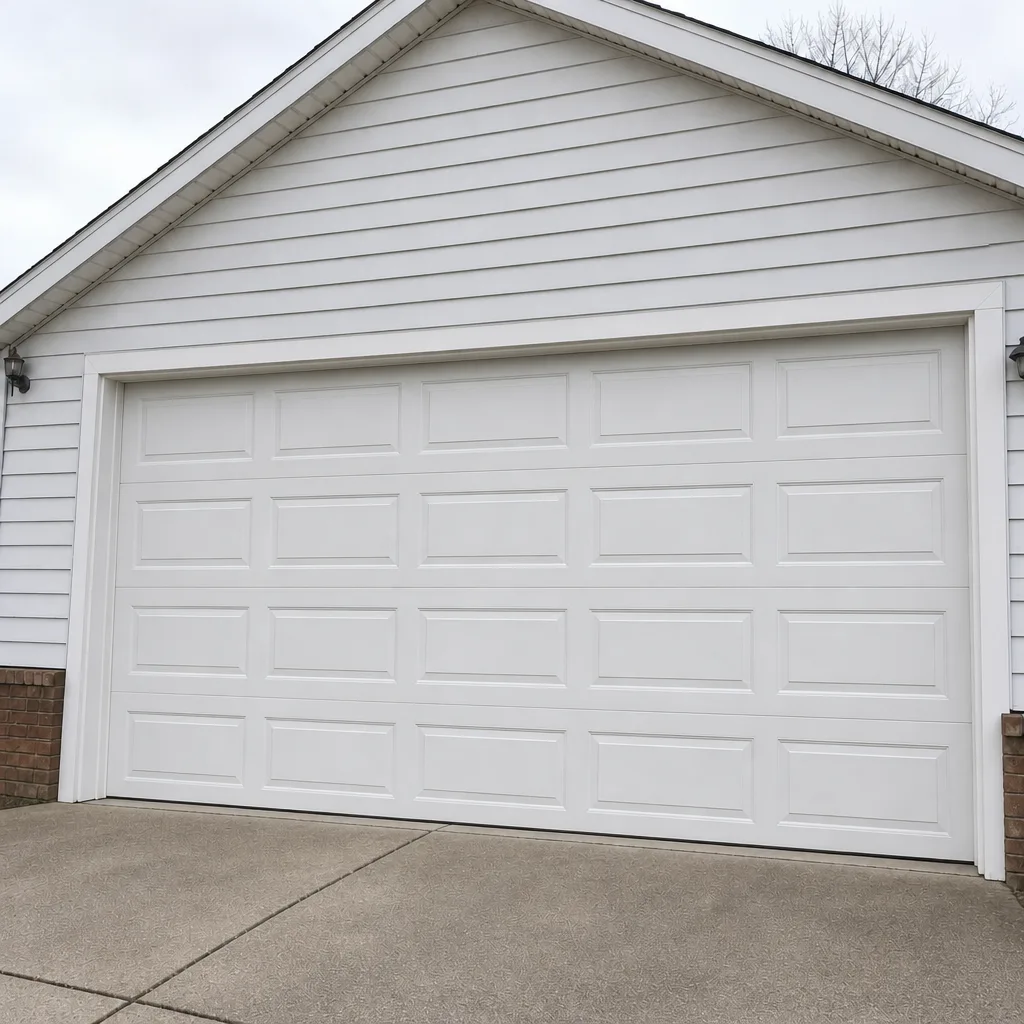 After
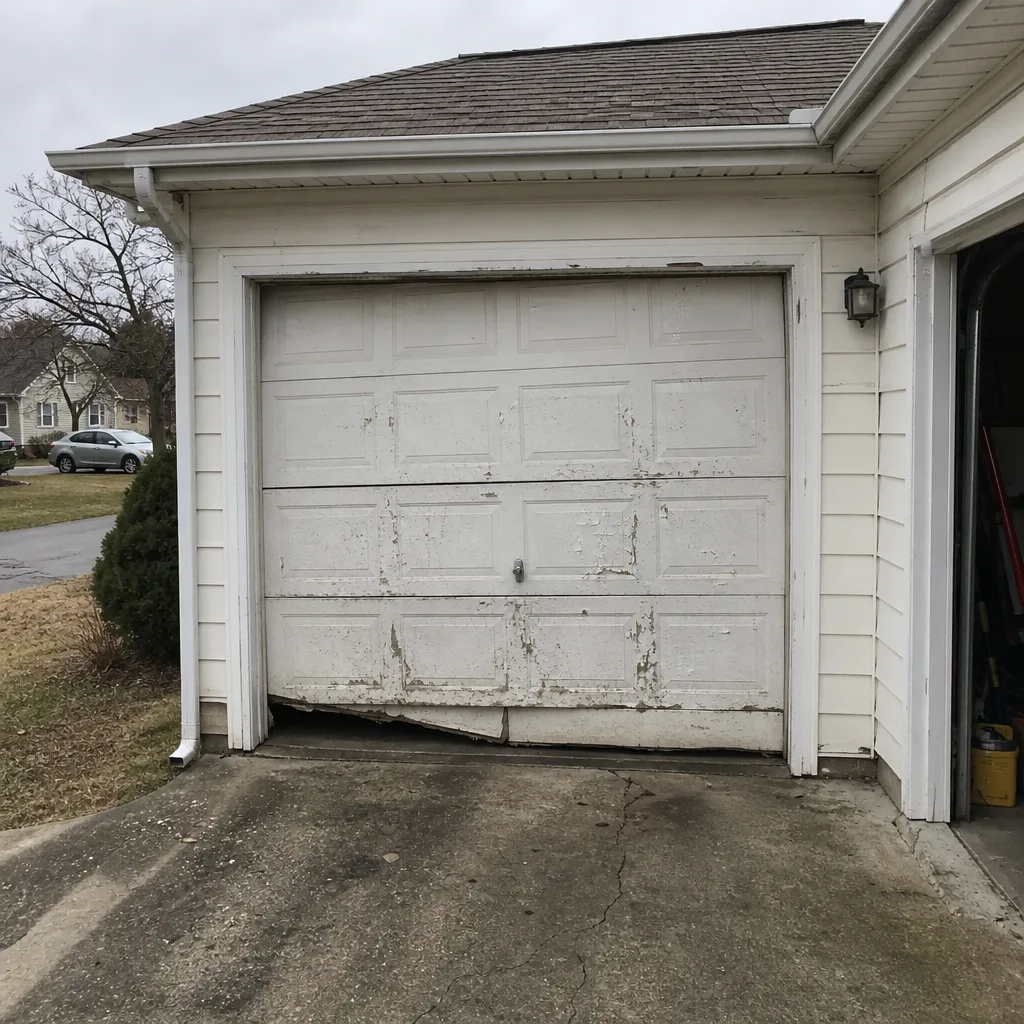 Before
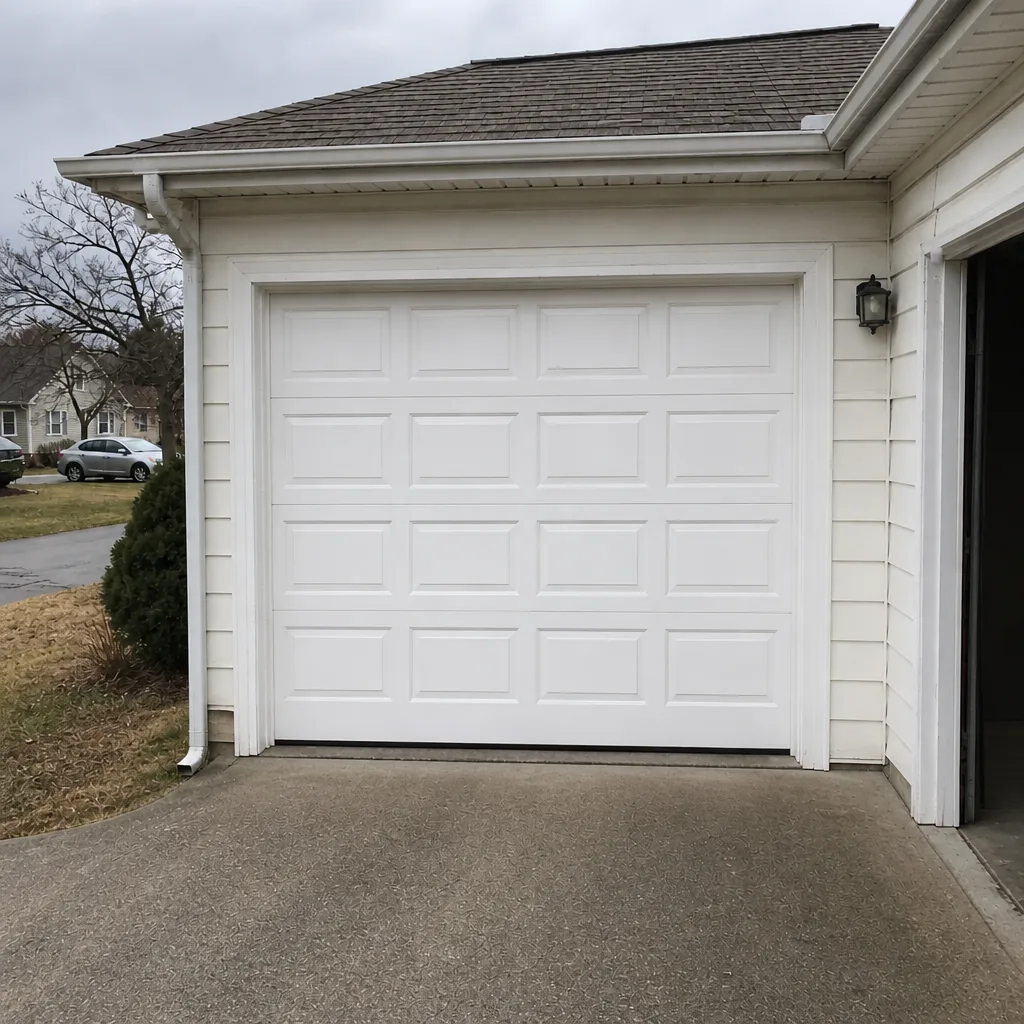 After
When to Call a Professional
Call a professional the moment you see any of these: a broken or frayed spring or cable, a door that’s dropped, a door that’s visibly crooked or hanging from one side, a popping sound that repeats every cycle, or an opener that runs while the door stays put. These are stop-using-the-door signals, and using the door in any of these states is how a small repair becomes an expensive one. For slow travel, uneven lifting, a door that won’t stay closed in wind, or a grinding opener, call sooner rather than later – the diagnosis is quick and the fix is usually simpler when caught early. Garage Door Repair Oceanfront offers free estimates in Oceanfront – call (855) 337-0930. We answer 24/7. Fast dispatch from 7am to 7pm, Sunday through Friday. If you call outside that window, we’ll book you into the next opening.
Frequently Asked Questions
The first signs are usually slow travel, uneven lifting, and a low grinding or dragging sound during the cycle. A light rust dusting on the springs is the other early signal, especially near the water in Oceanfront where moisture and salt speed up corrosion. Call (855) 337-0930 for an exact quote – estimates are free.
A single torsion spring repair typically runs in the $180 to $340 range, and a matched pair is usually replaced together at roughly twice that. The number varies with the door and access, but the written estimate sets the final price before any work starts. Call (855) 337-0930 for an exact quote – estimates are free.
No. A broken spring puts the door’s full weight on the opener and cables, and running it will strain the opener and risk the door dropping. Stop using the door and call for service. The safest way to handle a broken spring is to leave it untouched – do not try to adjust or treat it yourself.
It depends on the stage. Light orange dusting is worth watching; flaking and pitting mean the spring is close to the end of its life and should be replaced. In Oceanfront, the staging happens faster than inland, so an annual inspection catches it earlier. Call (855) 337-0930 to have a technician look – estimates are free.
No. We quote a price and we agree it with you before any work starts, and that written estimate is the price you pay. If the problem turns out to be different from what you described – say, a hinge issue that looks like a spring issue on the phone – we’ll explain that before touching anything. Call (855) 337-0930 to book a free estimate.
Yes. The local pro who comes out is licensed and insured as the state requires, and our technicians have up to 10 years of experience. We work on the brand you already have, including Genie, Clopay, Amarr, and Wayne Dalton, so you’re not limited to one manufacturer’s parts. Call (855) 337-0930 for the next available visit.
For an active failure – a door that won’t close, a broken spring, or a door stuck mid-travel – same-day service is often possible. We answer 24/7. Fast dispatch from 7am to 7pm, Sunday through Friday. Call (855) 337-0930 and we’ll book you into the next opening.
The Bottom Line
Garage door failure rarely arrives without warning. It sends slow travel, a grinding opener, uneven lifting, and rust that stages quickly in oceanfront air. Read those signs in order – sight, sound, operation – and the door will tell you what’s about to go and how soon. Catch the small stuff before the spring lets go, document what you see, and let a trained technician handle spring and cable work. From a broken spring to a brand-new door, the same company can carry the job forward. When the door won’t move, we move fast – call (855) 337-0930. We answer 24/7. Fast dispatch from 7am to 7pm, Sunday through Friday.
Written by the team at Garage Door Repair Oceanfront.