
Last updated November 22, 2026
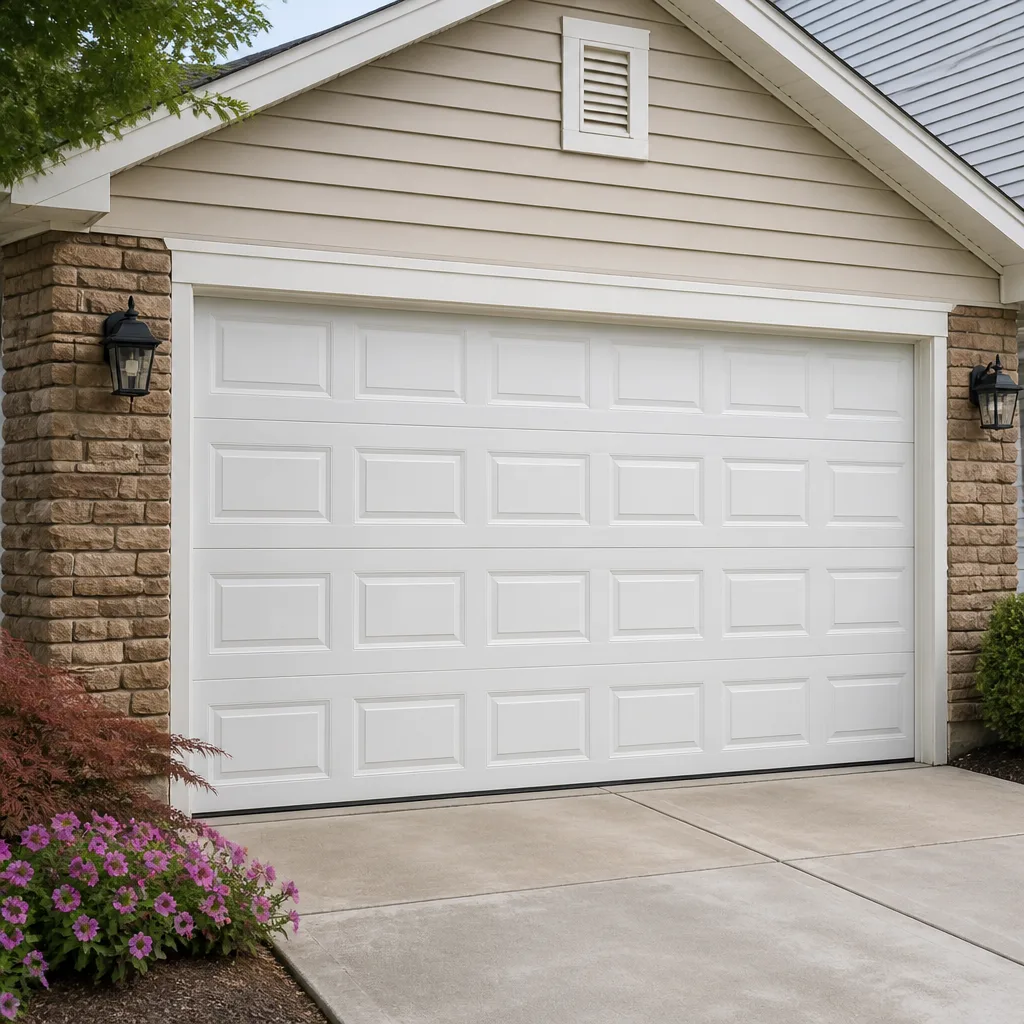 Raised-panel steel
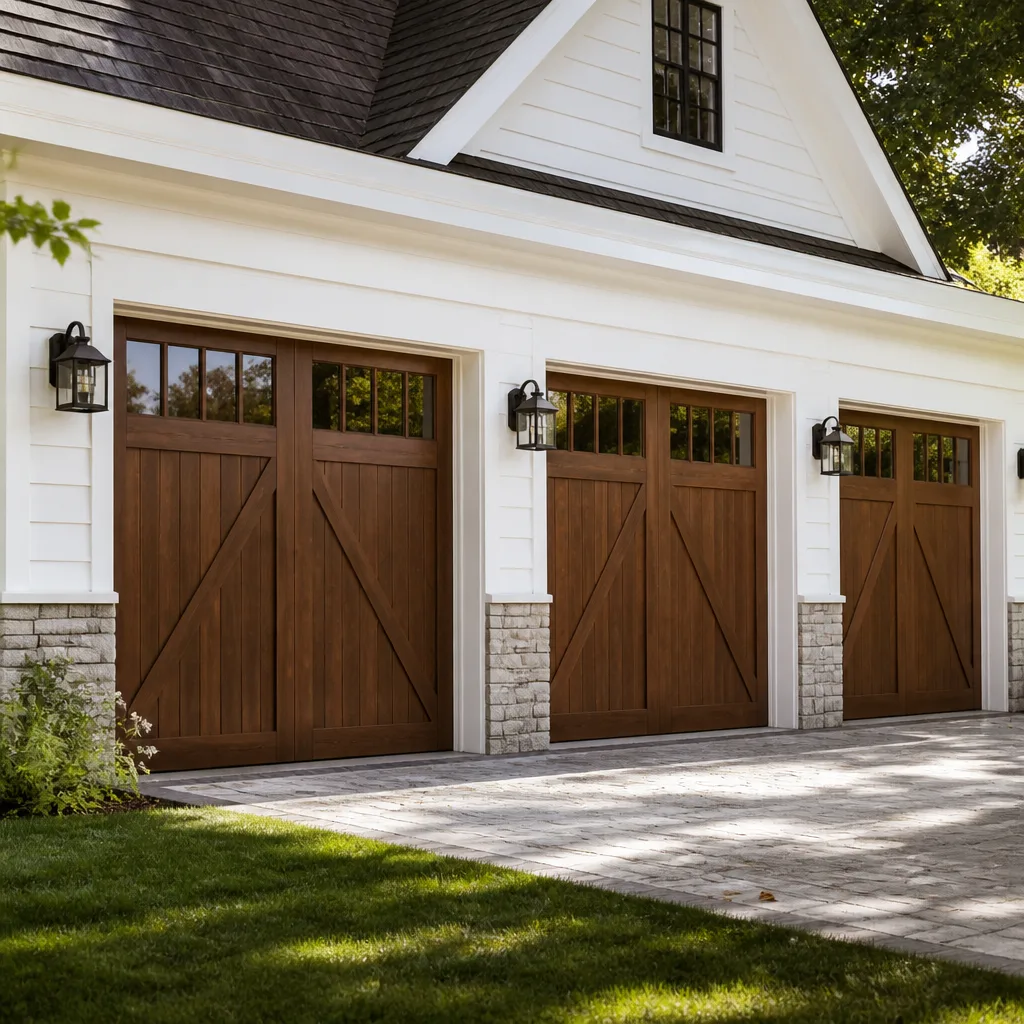 Carriage house
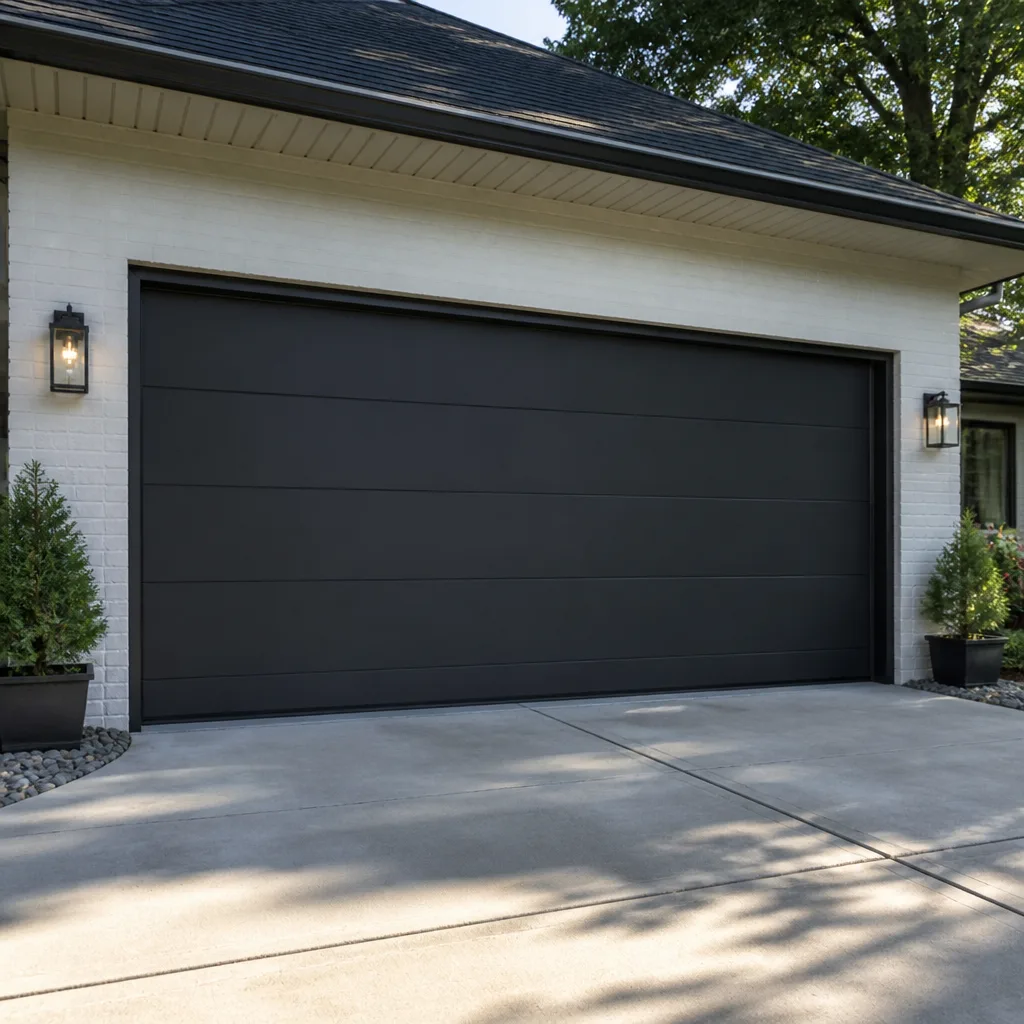 Modern flush
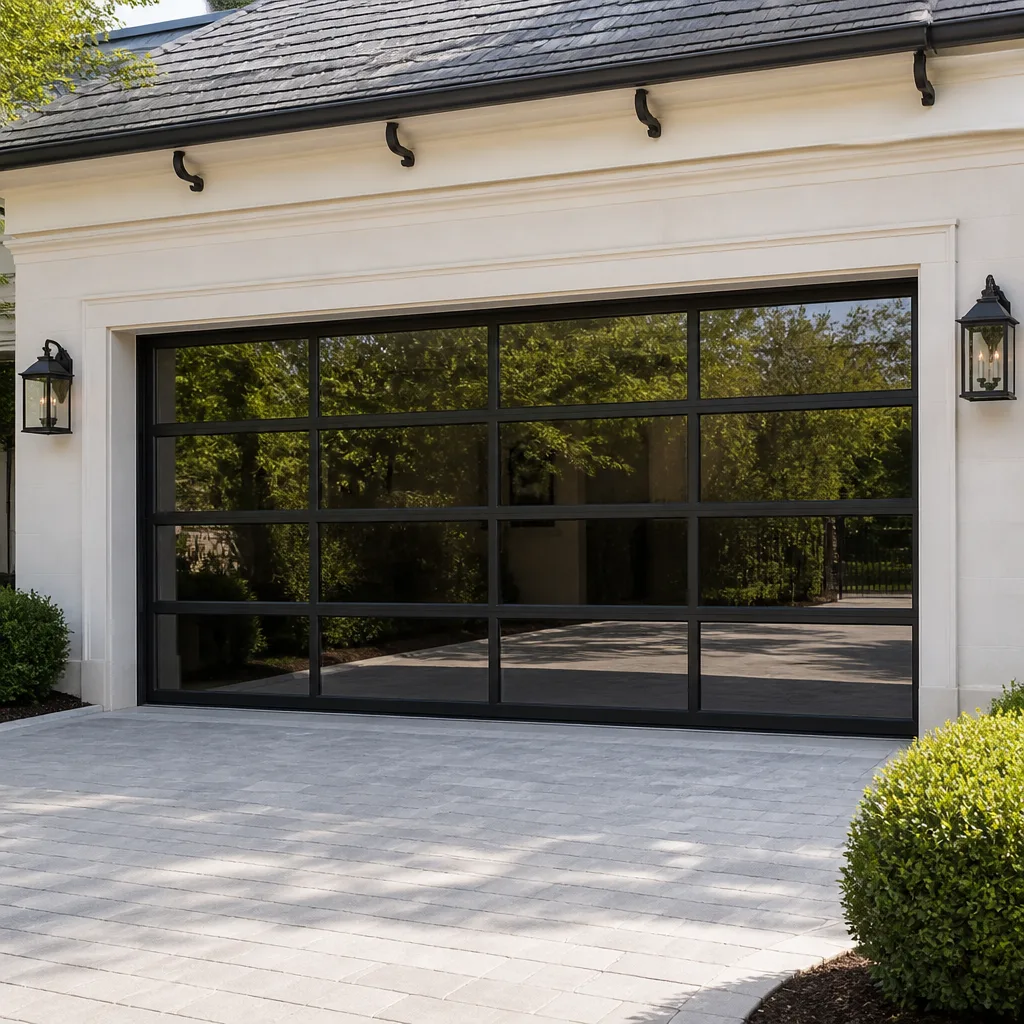 Full-view glass
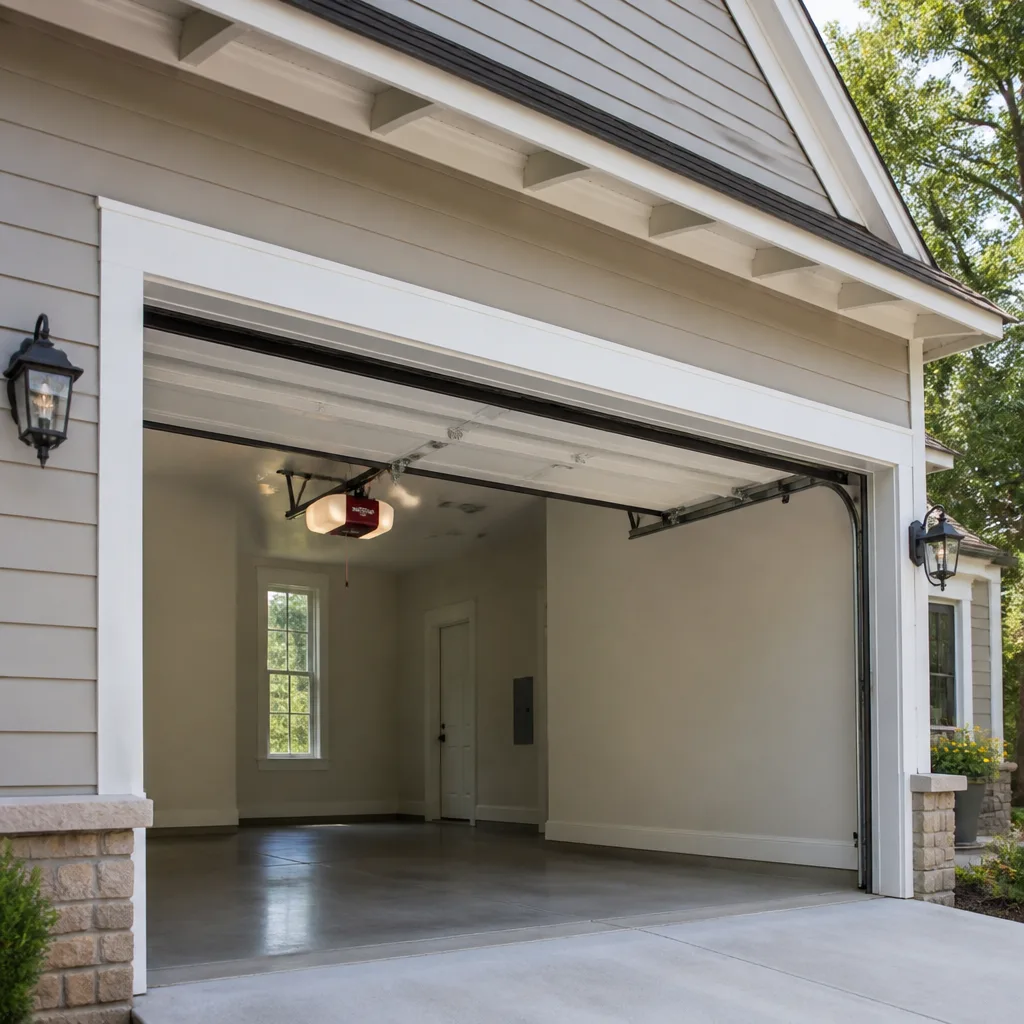 LiftMaster openers
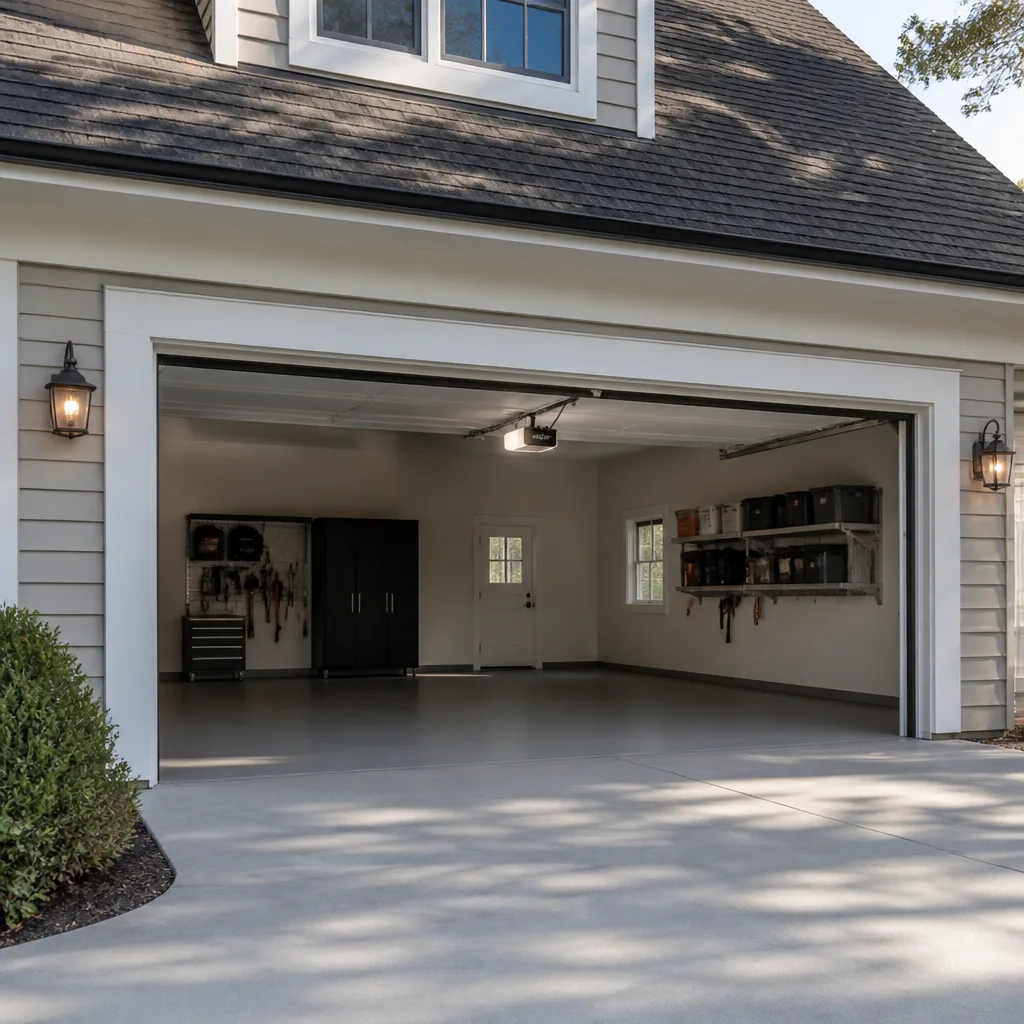 Chamberlain openers
Full 25-point door and opener safety check with every visit - springs, cables, rollers, tracks, and your LiftMaster or Chamberlain opener included
You get a price before we start. It does not change when the pro arrives.
Get your free estimateDIY vs Professional Garage Door: The Oceanfront Homeowner’s Decision Guide
The question we hear most in Oceanfront isn’t “can I fix this myself?” It’s “should I?” Most garage door repairs look simple on video. A spring swap takes eleven minutes in the tutorial and about two seconds to go wrong in a real garage. The truth is that the DIY-versus-professional decision for a garage door isn’t about your skill level. It’s about which specific tasks carry real injury potential, which ones quietly void a manufacturer’s warranty, and which require calibration knowledge that no general tutorial accounts for. In this guide, we walk Oceanfront homeowners through a task-by-task split, the honest dollar comparison, and how to tell whether a repair you already started needs a professional check before that door moves again. By the end, you’ll know exactly which jobs are yours and which ones aren’t.
Quick Answer
Homeowners in Oceanfront can safely handle lubrication, photo-eye alignment, remote and keypad programming, and visual inspections. Anything involving torsion springs, cables, bottom brackets, or the counterbalance system should go to a trained technician. The savings from DIYing those jobs are small compared to the injury risk and the warranty exposure, and the written estimate from a pro usually makes the math obvious. Call (855) 337-0930 for a free estimate if you’re unsure where your repair falls.
Styles & brands we work with
- Raised-panel steel
- Carriage house
- Modern flush
- Full-view glass
- LiftMaster openers
- Chamberlain openers
Table of Contents
- The Task-by-Task Split: What’s Yours and What Isn’t
- What Homeowners in Oceanfront Can Safely Handle
- What Requires a Technician (and Why)
- Why Garage Doors in Oceanfront Need Calibrated Hardware
- Warranty and Insurance Consequences of Self-Repair
- The Honest Cost Comparison: DIY vs. Pro
- How to Tell if a DIY Repair Needs a Professional Check
- Common Mistakes to Avoid
- When to Call a Professional
- Frequently Asked Questions
The Task-by-Task Split: What’s Yours and What Isn’t
Think of your garage door as two systems living in one frame. One system is control and light maintenance. The other is stored mechanical energy under tension, and that’s where the danger lives. The split isn’t about difficulty. It’s about consequence.
Here’s the breakdown we use when we talk to homeowners:
- Yours to handle: lubrication of hinges, rollers, and tracks; photo-eye (safety sensor) alignment; remote and wall-button programming; keypad code changes; visual inspection for wear; clearing debris from the tracks; tightening exposed bolts on the track brackets.
- Technician territory: torsion spring replacement, extension spring replacement, cable replacement, bottom bracket work, drum adjustment, track realignment after impact, opener gear and logic board replacement, and any diagnosis where the door is binding, crooked, or refusing to close.
The reason the split is so sharp comes down to stored energy. A standard torsion spring on a residential door holds hundreds of pounds of force at rest. When it fails, it fails fast and without warning. That’s why spring repair is a dedicated service line rather than a “while we’re there” add-on, and it’s why we don’t coach homeowners through it over the phone. There’s no version of that job where a first-timer’s safety outweighs the savings.
Cables and bottom brackets carry similar risk. The bottom bracket anchors the cable under tension. Even with the spring unwound, releasing those bolts before the tension is neutralized can send hardware airborne. If you take nothing else from this guide, let it be this: the counterbalance system is not a homeowner zone.
If you’re unsure where a specific repair falls, our garage door repair team can walk you through it. A conversation costs nothing, and it may save you a hospital trip.
What Homeowners in Oceanfront Can Safely Handle
Plenty of garage door maintenance is genuinely within reach, and we’d rather you do it than pay for it. These jobs take twenty minutes and rarely cause problems when done correctly.
- Lubrication. Use a garage-door-specific lubricant on hinges, rollers, and the torsion bar bearings. Avoid WD-40 as a primary lubricant; it’s a solvent, not a lasting lube. Once or twice a year is plenty for most Oceanfront homes.
- Photo-eye alignment. The two small sensors near the bottom of the track need to see each other. If the door closes a foot then reverses, the sensor is usually misaligned or blocked. Wipe the lens, then nudge the bracket until the indicator light goes steady.
- Remote and keypad programming. If you have a LiftMaster or Chamberlain opener with WiFi, the app walks you through pairing in a few minutes. Older Genie systems use a “learn” button on the motor head. Both are homeowner-friendly.
- Track debris removal. Dust, grass clippings, and dried leaves collect in the track channel. A shop vac and a dry cloth handle it.
- Visual inspection. Look at the springs for a visible gap or a stretched coil. Look at cables for fraying or a kink. If you spot either, stop and call. Don’t try to test the door any further.
These tasks are also the cheapest form of prevention. A well-lubed door puts less strain on the opener and the springs, which stretches the life of both. In Oceanfront’s humidity, the rollers benefit from more frequent attention than a drier climate would demand.
What Requires a Technician (and Why)
Some repairs belong to a trained technician. This isn’t a recommendation to tuck them behind a paywall; it’s a safety line. Our technicians have up to 10 years of experience across every major brand we service, and even they don’t take shortcuts on springs and cables.
Here’s what stays in professional hands:
- Torsion springs. The spring above the door is wound to a specific number of turns. Too few and the door won’t lift; too many and the door can slam or the spring can break while you’re near it. Sizing depends on door weight, drum size, and cycle life. Guessing is not a strategy.
- Extension springs. Similar risk, different configuration. These live along the horizontal tracks on each side and carry the same stored energy as torsion springs.
- Cables. The lift cable runs under tension and passes through the drum. A cable that snaps under load can whip. It also pays out unevenly and drags the door off-level, which damages the tracks.
- Bottom brackets. These anchor the cable at the bottom corners. The bracket bolts and the cable are a single tension system. Loosening one without neutralizing the other is where injuries happen.
- Opener repair and replacement. Gear-and-sprocket wear, logic boards, and the entire travel-limit calibration are best handled by a technician, especially on smart openers where firmware settings affect force and safety reverse.
The DIY-versus-pro question on these items isn’t close. Call (855) 337-0930 for a free estimate. Our garage door opener repair and spring work are scheduled, quoted, and finished in one visit whenever the parts are on hand.
Why Garage Doors in Oceanfront Need Calibrated Hardware
Oceanfront homes tend to have heavier garage doors than inland builds. Not because they’re coastal-rated doors specifically, but because the housing stock runs toward insulated steel and carriage-style doors with thicker panels, glazing, and hardware details. Weight is the variable that drives everything else.
Torsion spring sizing is set by the weight the door lifts. A standard tutorial assumes a particular door weight and cycle count. If your door weighs more, the spring you install from a big-box aisle will under-lift or over-wind, and that’s how springs fail early. It’s also how openers burn out. Our technicians carry the calibration charts for every brand we service, from Clopay and Amarr to Wayne Dalton and Raynor, so the spring we install is matched to the door, not the aisle.
Oceanfront homeowners also face humidity and temperature swings that affect the way the door moves. In winter, tracks contract slightly. In summer, they expand. A door that’s dead-on in one season may drag in the other. That’s a calibration conversation, not a lubrication one. We’re here for that conversation whenever it comes up.
If your door is older and has never had its weight and spring tension matched to the door, it’s a good candidate for a calibration visit. A few minutes with a scale and the right chart can add years to the springs and the opener. Ask about it when you call (855) 337-0930.
Warranty and Insurance Consequences of Self-Repair
Most garage door manufacturers and opener makers have explicit language about unauthorized repairs. The point isn’t to scare you into calling. It’s that when a repair you attempted causes subsequent damage, the warranty claim usually doesn’t hold.
Here’s how it plays out:
- Opening the counterbalance system is typically considered outside-homeowner territory in the manufacturer’s documentation. If a spring breaks after you’ve had the panel off the torsion bar, that’s not a covered event.
- Opener modifications beyond travel-limit adjustments can void the opener’s electronics coverage. That includes things like cutting into the wiring for a homemade sensor fix.
- Improperly installed replacement parts shift the liability to whoever installed them. If a third-party spring outlives its spec because it wasn’t matched to the door, the failure is yours, not the manufacturer’s.
The insurance side is simpler. A door that fails and damages a vehicle, or a door that stops sensing obstacles and closes on a child, can pull your homeowner’s policy into a claim. If the adjuster finds non-compliant work, coverage can be reduced.
We’re not in the business of telling you what your policy covers. That’s a call to your insurer. But if you’re weighing DIY versus a professional for anything past maintenance, we can tell you what a standard warranty expects. Call (855) 337-0930 for a free estimate. It’s a conversation, not a sales pitch.
The Honest Cost Comparison: DIY vs. Pro
The DIY case rests on the cost of parts and a Saturday. The professional case rests on the cost of parts, labor, and a written quote that doesn’t move. We’ll give you both sides as plainly as we can. All figures are typical estimates for the area; your written quote sets the actual price.
- Torsion spring replacement (one spring), professional: $180 – $340, including spring, labor, and calibration. A matched pair runs about double, and most doors call for a pair.
- Cable replacement, professional: $150 – $280 per cable, with drum inspection included.
- Photo-eye or sensor repair, professional: $85 – $160.
- Opener repair (gear, logic board, or travel calibration), typical: $130 – $260.
- Opener replacement, professional install: $350 – $650 for a standard belt-drive unit.
Compare that with a spring kit at a big-box store (usually $40 – $90) plus the winding bars, a scale for calibrating door weight, and the risk that comes with a first attempt. On a per-hour basis, the DIY version looks cheap on paper. In practice, the number of homeowners who spend double the parts cost after a failed attempt is real. The first repair produces a broken spring and bent track. The second visit fixes both.
Cable repair shows the same math. The cable itself is inexpensive. The failure mode, when the drum pays out unevenly, is a door off-level that eats into the tracks and the opener’s drive gear. The recovered savings disappear fast.
If cost is your primary concern, get the free estimate first. We quote and agree the price before any work starts. That’s the part most DIY repairs can’t match: no surprises, no mid-job rethinking. For scheduled work like garage door installation or opener replacement, we measure, order, and schedule. Call (855) 337-0930 to set up the estimate.
How to Tell if a DIY Repair Needs a Professional Check
If you’ve already started a repair and you’re not sure whether to keep going, this is the most important section in the guide. Assume the door is unsafe to operate until a technician clears it. That’s not caution talking; it’s the safe default.
Here are the flags that call for a professional check before the door moves again:
- The door is crooked, or one side is higher than the other. This usually means a cable is off the drum or a spring is not applying equal force. Stop operating the door.
- The spring has visible gaps or a stretched coil. A failed spring can’t be “worked around.” Get it replaced.
- You loosened a bottom bracket or drum and did not complete the job. The system may be holding partial tension. Do not re-tighten and test it yourself.
- The opener is cycling but the door isn’t moving, or the motor is buzzing without travel. The opener may be straining against a mechanical fault that will eventually burn out the gear.
- The photo-eye indicator is flashing and won’t go steady. If you’ve cleaned the lens and realigned the bracket, the sensor itself may be damaged.
You don’t need to explain or apologize. The reality is that half of the calls we get for spring and cable work are follow-ups to a repair that stalled out. We pick up where you stopped, and the estimate is free. One call to (855) 337-0930 covers it.
Common Mistakes to Avoid
- Using WD-40 as a lubricant. It’s a solvent, not a lube. Over time it dries out the hinge pins and the rollers, and the door gets noisier instead of quieter.
- Replacing one spring in a pair. When one spring in a matched pair breaks, the other is equally aged. Replacing just one puts uneven load on the counterbalance and shortens the new spring’s life.
- Buying a spring by length alone. Wire gauge, inside diameter, and winds all matter. The wrong combination either under-lifts the door or over-winds the spring, and both fail.
- Adjusting the opener’s force setting to compensate for a stiff door. If the door is dragging, the fix is in the track, the rollers, or the springs. Cranking up the force masks the symptom and overloads the opener.
- Skipping calibration after a cable replacement. A cable installed at the correct length still needs the drum and the tension set against the door weight. Otherwise it pays out unevenly and damages the drum.
- Assuming a coastal-rated door means coastal-rated hardware. The panel might be rated for the environment. The springs, cables, and brackets are standard hardware and still need to be matched to the door’s actual weight.
- Testing the door “just once” after a failed repair. A door that fails mid-cycle can slam. Every test with a compromised counterbalance is a risk you don’t need to take.
When to Call a Professional
Call a professional for anything that involves the springs, the cables, the bottom brackets, the drums, or a door that won’t travel correctly. Also call if the opener is cycling but the door isn’t moving, if the safety reverse fails a test, or if the door is visibly crooked. If you’ve already started a repair and stopped partway through, call before you touch the door again.
For maintenance, sensors, and remote programming, you’re fine on your own. For everything past that, the free estimate is the cheapest step you can take. Our technicians have up to 10 years of experience, we service LiftMaster, Chamberlain, Genie, Raynor, and the other major brands on the door you already have, and we work around the brands you own. From a broken spring to a brand-new door, it’s the same company, and there’s no handoff to a subcontractor.
Garage Door Repair Oceanfront offers free estimates in Oceanfront. Call (855) 337-0930. We answer 24/7. Fast dispatch from 7am to 7pm, Sunday through Friday. When the door won’t move, we move fast.
Frequently Asked Questions
No. Torsion and extension spring replacement should be done by a trained technician. The spring holds hundreds of pounds of stored tension, and a first-time attempt is where most garage door injuries happen. Call (855) 337-0930 for a free estimate on spring replacement.
A DIY cable kit runs around $30 – $60, and a professional cable replacement typically costs $150 – $280 per cable. The savings on the DIY version shrink the moment a drum off-levels or a track bends, which is a common outcome when tension wasn’t set correctly. Call (855) 337-0930 for a written quote that covers the whole job, not just the part.
Often, yes. Most manufacturers treat unauthorized counterbalance work and opener modifications as outside the warranty, and a subsequent failure won’t be covered. If you’re unsure what your warranty allows, ask before you start. Call (855) 337-0930 and we’ll walk you through what a standard warranty expects.
Spring and cable jobs that stalled partway through, and opener force-limit adjustments made to compensate for a door that was binding. The first stage is a check and a calibration; the second is often a drive-gear replacement. Call (855) 337-0930 for a free estimate on either.
No. Spring sizing is set by the weight the door actually lifts. A heavier door, or one with insulated panels and glazing, needs a spring rated for that weight and cycle count. Matching by eye or by length alone risks early failure. Call (855) 337-0930 and we’ll match the spring to the door.
No. We quote and agree the price before any work starts. The written estimate you receive is the price, and any adjustment for hidden damage is discussed with you first. Call (855) 337-0930 for a free estimate with no surprises.
The Bottom Line
DIY is the right choice for lubrication, sensor alignment, remote programming, and visual inspection. It’s the wrong choice for anything involving the counterbalance system. The savings from a DIY spring or cable repair are small compared to the injury risk, the warranty exposure, and the cost of cleaning up a failed attempt. Oceanfront doors tend toward heavier construction, and the spring sizing that goes with that weight is not something to guess at from a video. Call us when the job crosses that line. The estimate is free, the price is agreed before we start, and the door leaves safer than we found it. Call (855) 337-0930. We answer 24/7. Fast dispatch from 7am to 7pm, Sunday through Friday.
Written by the team at Garage Door Repair Oceanfront.
See the difference
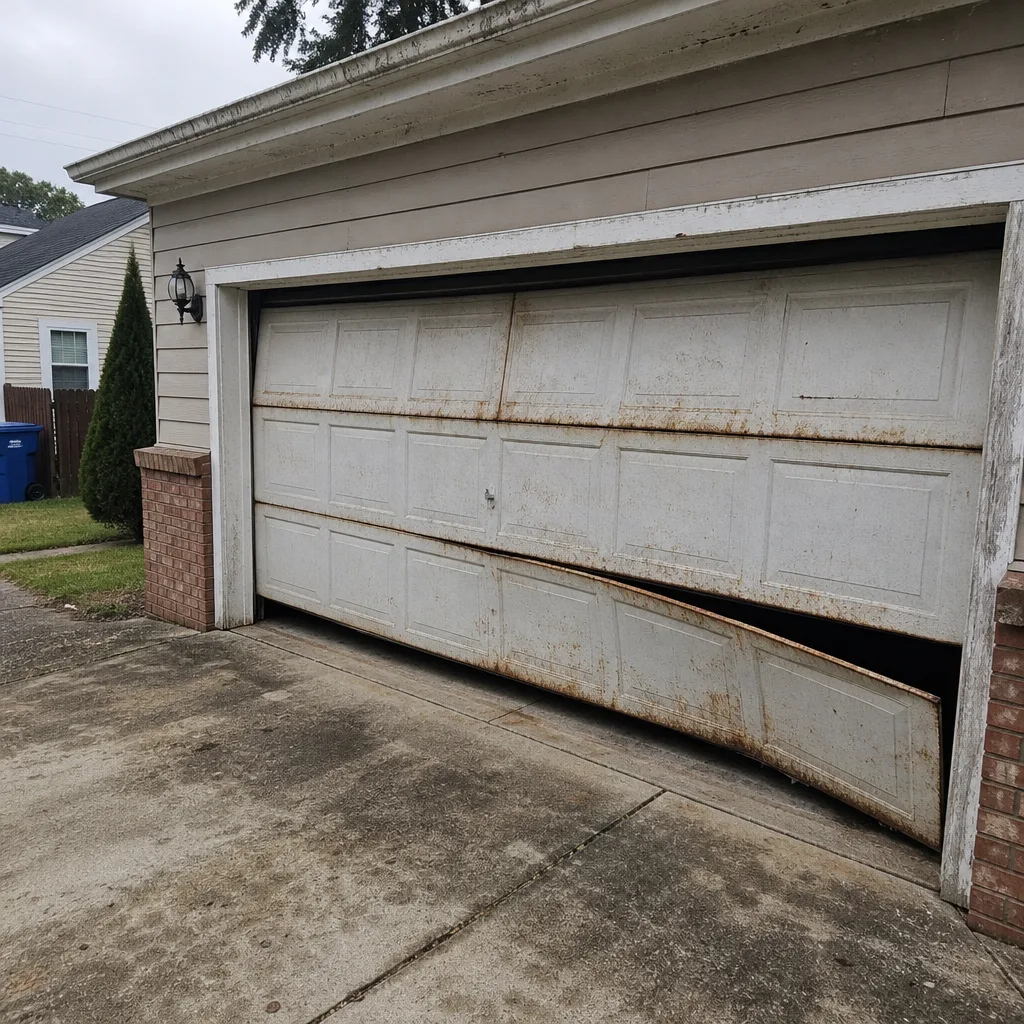 Before
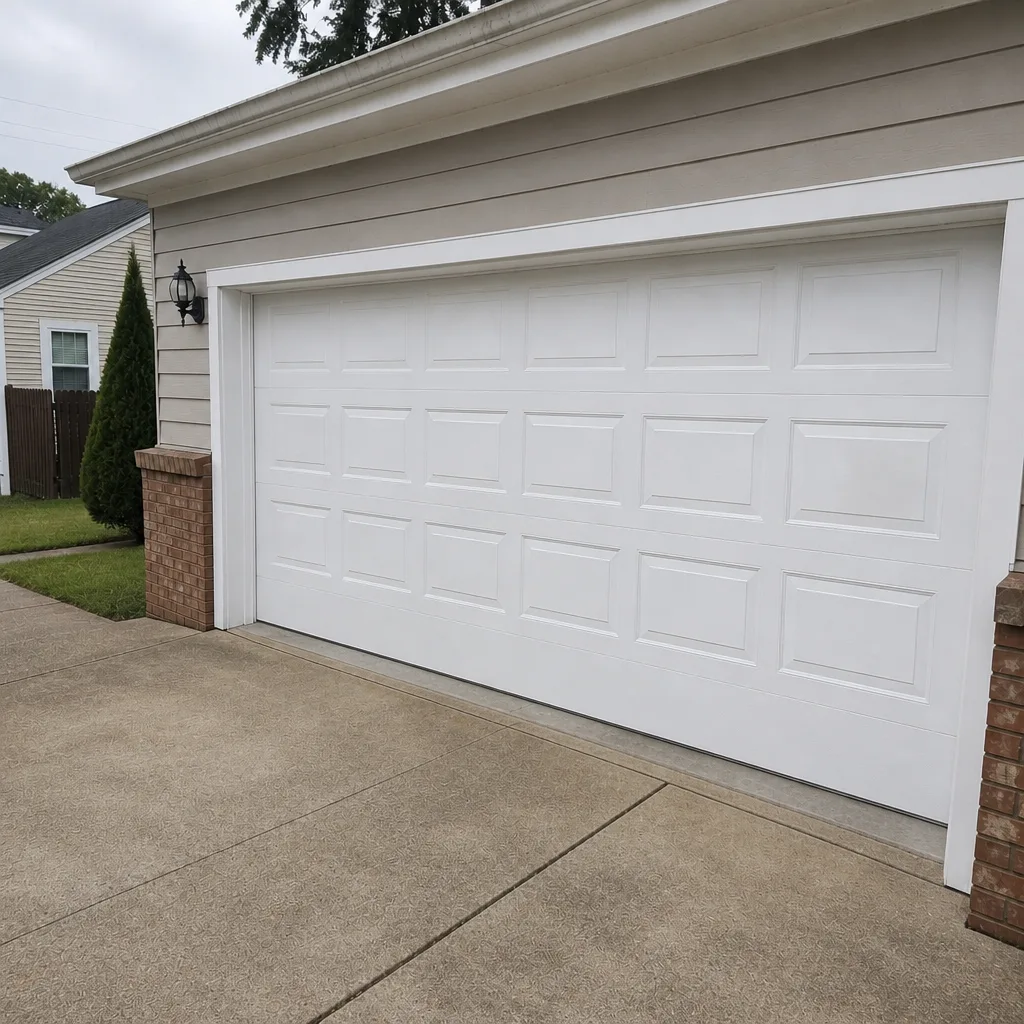 After
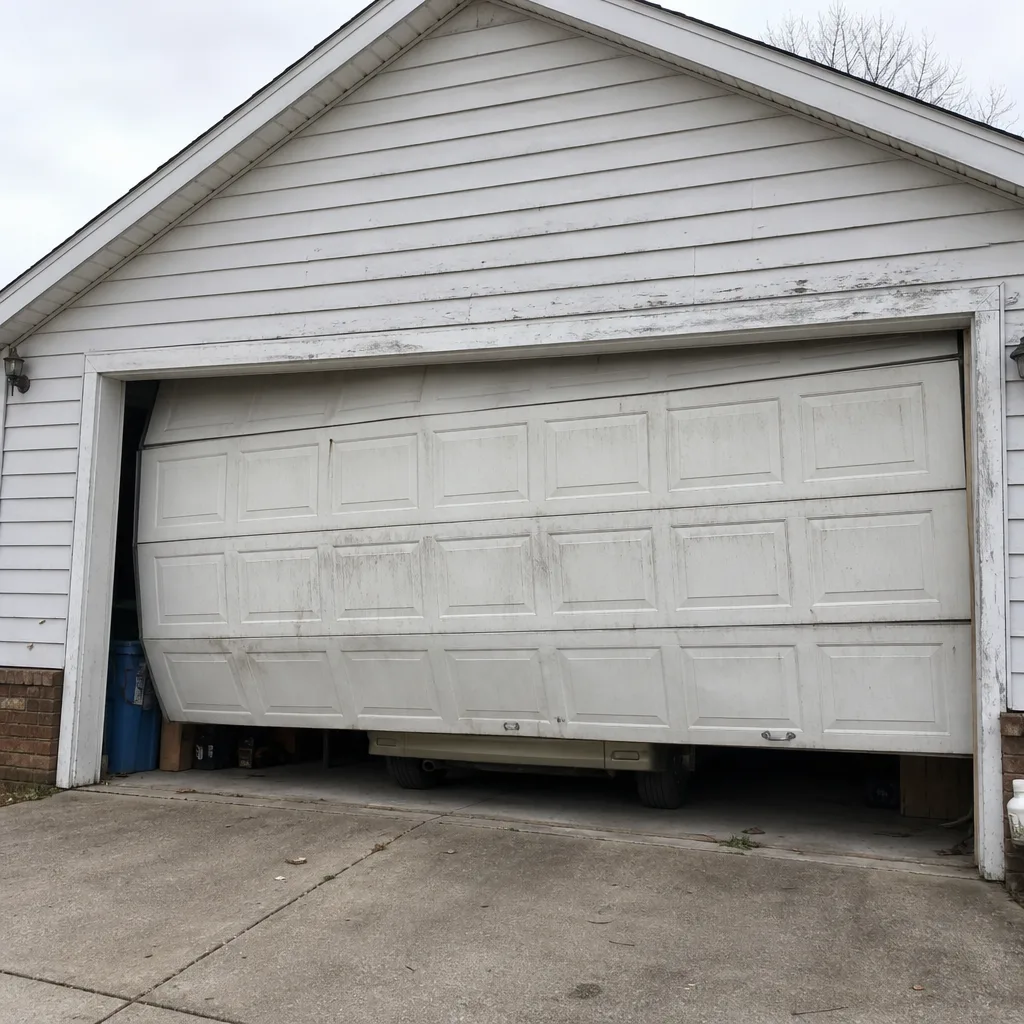 Before
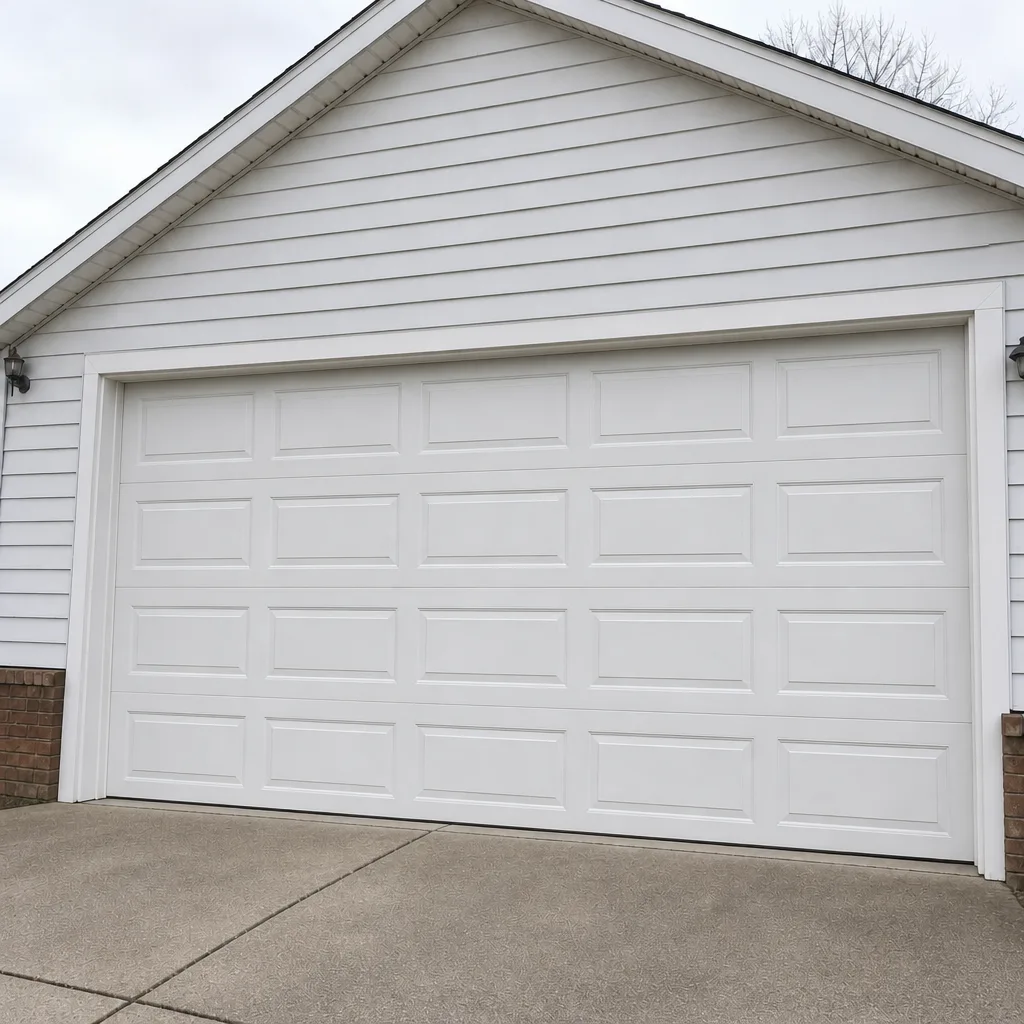 After
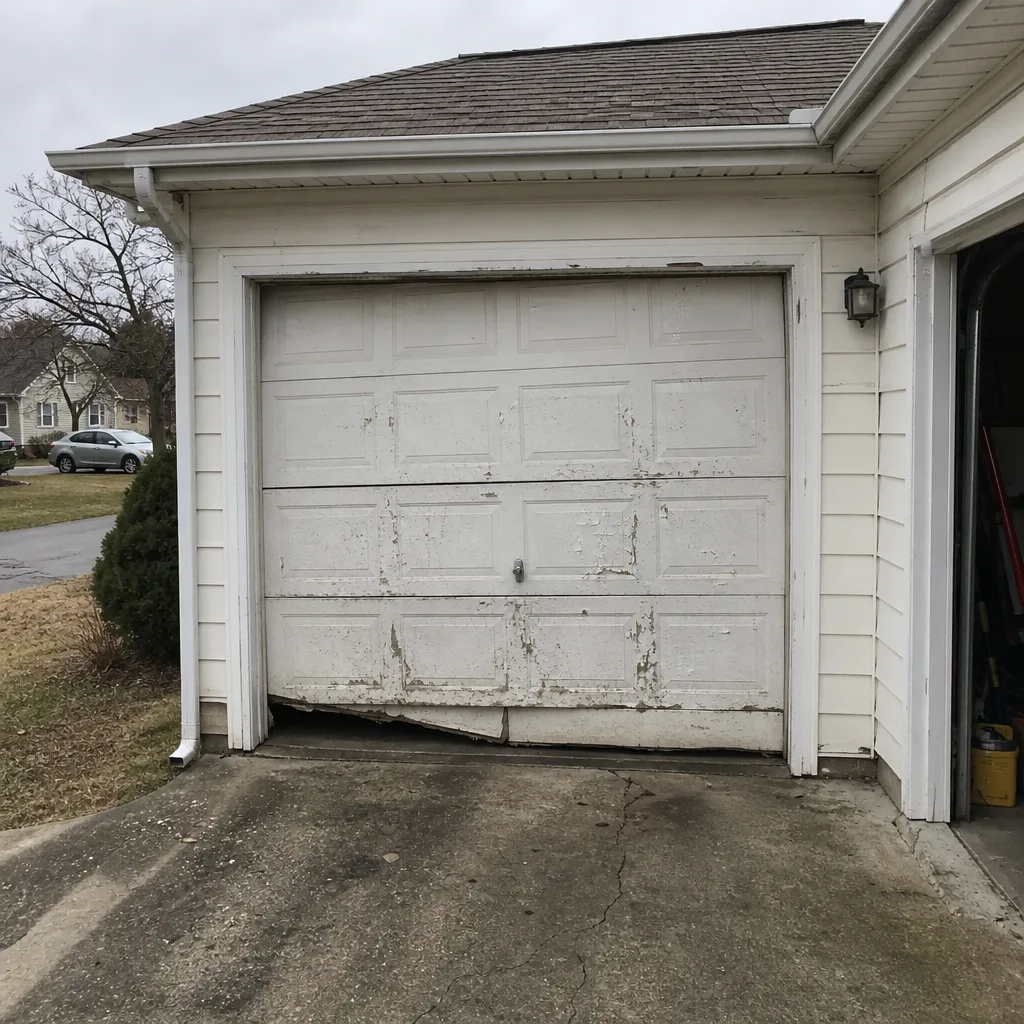 Before
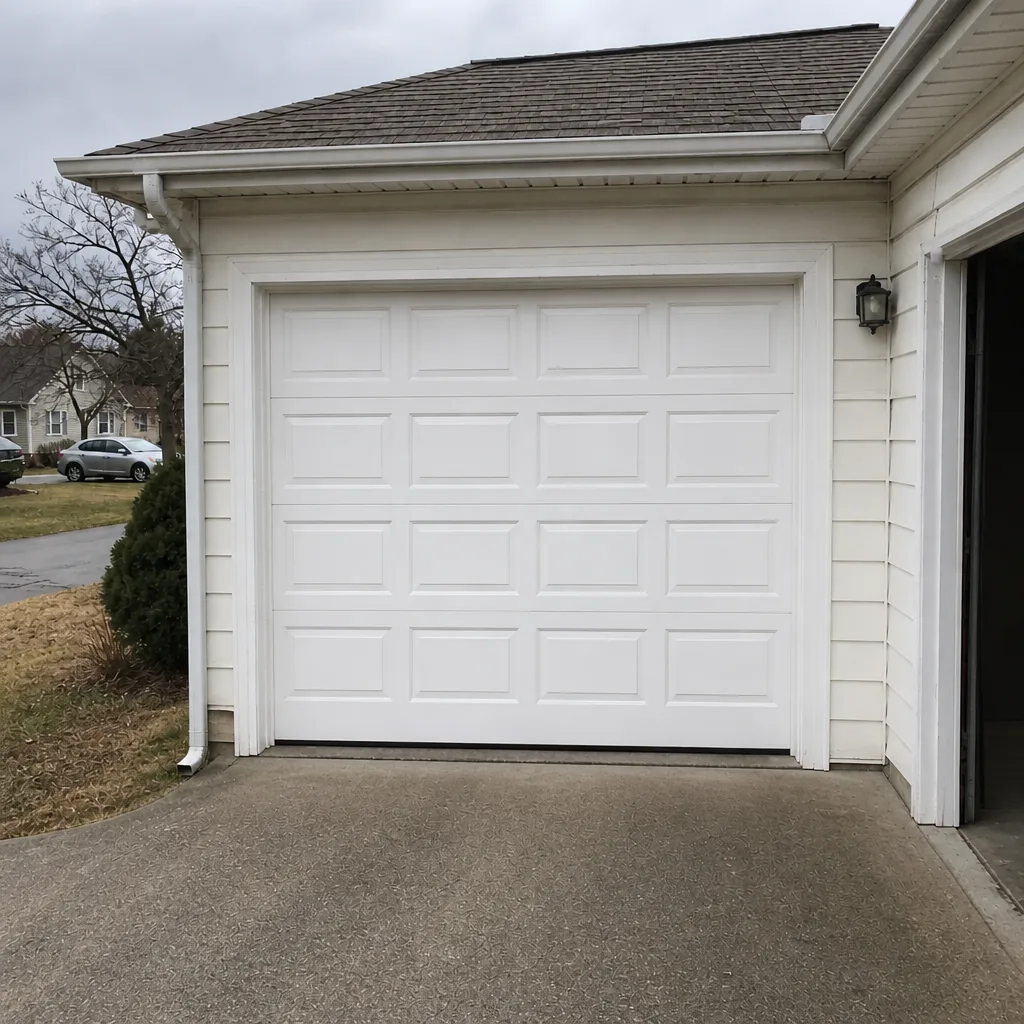 After